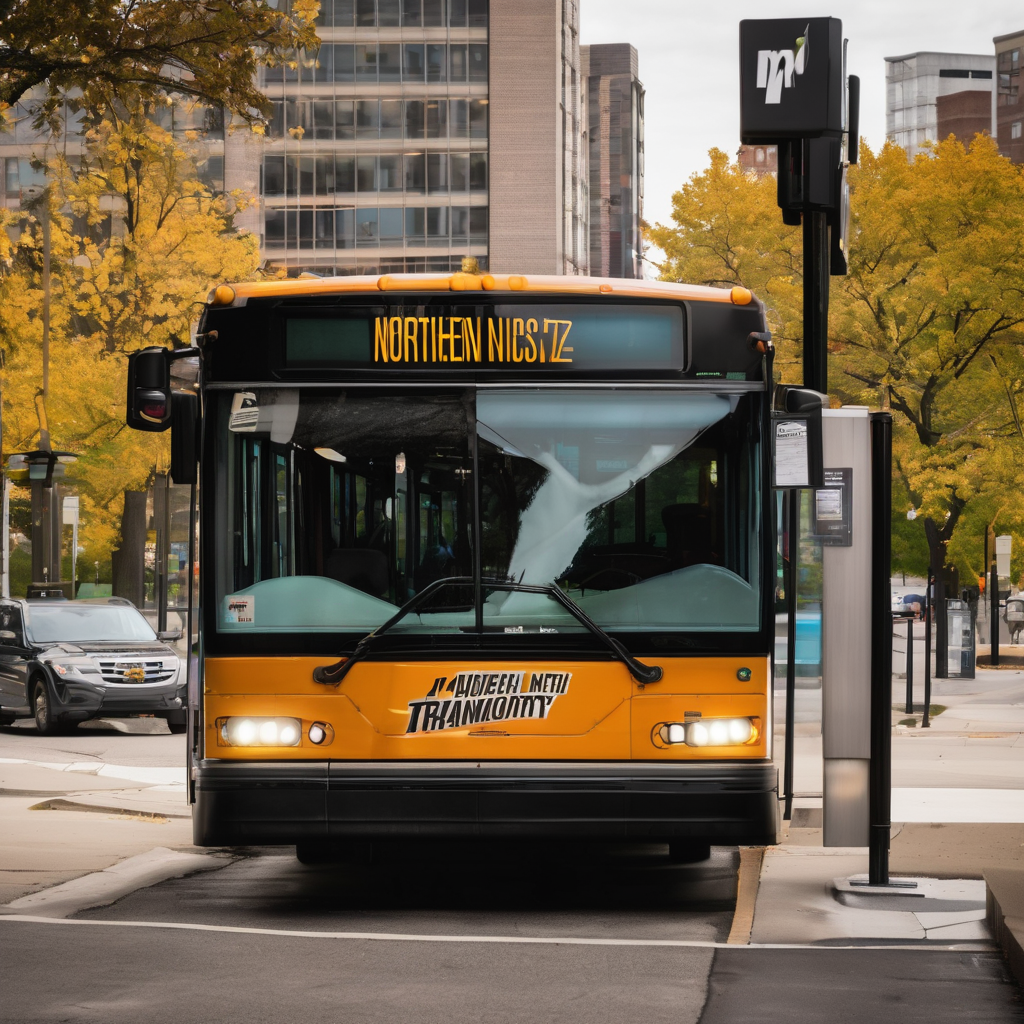
Governor JB Pritzker has enacted a significant public transit funding bill aimed at enhancing the transportation systems in Northern Illinois. Signed on Tuesday, this legislation is set to provide around $1.2 billion in new annual operating funds for the Chicago Transit Authority (CTA), Metra, and Pace, ensuring that riders will not face fare increases, service cutbacks, or layoffs.
A key aspect of the bill is the creation of the Northern Illinois Transit Authority (NITA), which will replace the existing Regional Transportation Authority. This new entity is expected to implement a universal fare system and coordinate scheduling across the three transit agencies, addressing the complications riders have previously faced with multiple fare cards and apps.
Governor Pritzker emphasized that this move is part of a broader initiative to modernize Illinois’ public transit system, enhancing operations and upgrading infrastructure without imposing any new statewide taxes. “We are boosting operations and upgrading trains and tracks and buses efficiently,” he stated.
The newly formed board will grant the governor the authority to influence decisions through five appointments, which is anticipated to strengthen governance and improve service standards. Kirk Dillard, the RTA Board Chairman, noted that this enhancement would lead to better oversight and accountability.
Transit leaders voiced their support for the bill, which aims to improve service quality, reliability, cleanliness, safety, and collaborative efforts among the agencies. Democratic Senate President Don Harmon highlighted the goal of simplifying the transit experience for riders by having a single app, fare card, and schedule.
In addition to the organizational changes, the legislation emphasizes public safety by establishing a law enforcement task force that includes the Cook County Sheriff’s Office and Chicago police to tackle crime in transit hotspots.
Funding for the bill will come from an increase in the regional sales tax, rising tollway fees, and reallocating some state gas tax revenue from road projects to transit initiatives.
The new law is set to take effect on June 1, and early responses from riders reflect optimism and approval. Linas Sutkus, a daily CTA commuter, expressed appreciation for the recent cost reductions, stating, “It’s good to keep it down; it makes it safe,” especially in light of past incidents that raised safety concerns.
This legislative action marks a pivotal step towards a more integrated and user-friendly transit system, promising to reshape the public transportation landscape in Illinois positively.