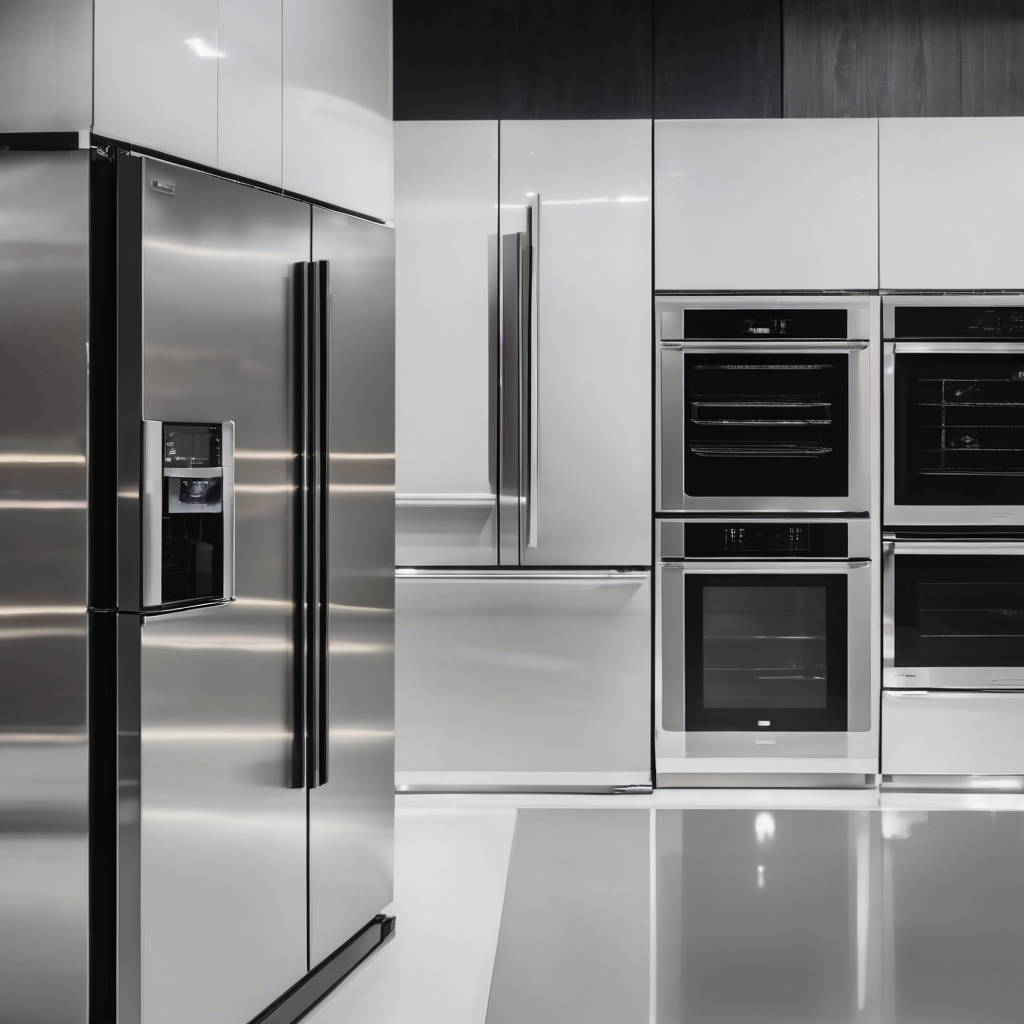
Howard’s Appliances, a well-established appliance retailer in Southern California, has announced the permanent closure of all its locations and filed for Chapter 11 bankruptcy in the U.S. Bankruptcy Court for the Central District of California. The decision, which takes effect on December 6, 2025, has taken both employees and customers by surprise, particularly as it comes shortly after the busy Black Friday shopping period.
The chain reported liabilities amounting to up to $17 million, attributing its downfall to various economic pressures such as tariffs and declining consumer spending. In a statement from the company’s legal representatives, they emphasized the challenges they faced: “Despite our best efforts to overcome tariffs, declines in consumer spending, and other macroeconomic challenges — we have made the difficult decision to file for bankruptcy and close our doors. This was not a decision made lightly, but one that became necessary given the current economic landscape.”
The abrupt nature of the closure left employees with only two days’ notice, resulting in uncertainty for customers who had pending orders. Many of them now face an unclear path to receiving potential refunds, with some options available for picking up in-stock products. Additionally, the company’s website was taken offline concurrently with the closure of its stores.
Founded in 1946, Howard’s once thrived as a retailer of appliances, televisions, and mattresses. Despite attempts to modernize through initiatives like an “experience store” in Murrieta, the company could not overcome its financial struggles. Earlier this year, Howard’s was acquired by private equity firm S5 Equity, but the merger could not alleviate the mounting liabilities and competitive market pressures.
The closure of Howard’s is indicative of a broader trend affecting regional and mid-sized retailers as they struggle to compete with national chains and adapt to changes in consumer behavior. Jonathan Lansner of the Orange County Register articulated this shift, noting it as “another sign of the new reality of how Californians buy big-ticket items that fill their homes.” Preferential shopping habits have increasingly gravitated towards larger retail chains such as Lowe’s, Home Depot, and Best Buy, sidelining smaller and specialty retailers.
Howard’s demise adds to a growing list of retailers in California and across the U.S. that have faced similar fates, including notable names like Pirch and Fry’s. Even attempts to target high-end appliance markets haven’t been enough to ensure stability, highlighting the challenging landscape for these businesses.
The closure has affected around 100 employees and mirrors a larger decline in the appliance and electronics workforce, which has plummeted by more than half in California over the past 25 years. The workforce shrank from 94,000 in 1999 to 44,000 by mid-2025, indicating significant shifts in industry employment dynamics.
As consumer behavior continues to evolve, the purchasing landscape has shifted further during and post-pandemic. Sales in California have seen a decline of 35% from 2019 to 2025, with consumer choices increasingly driven by pricing rather than quality of service. This shift undermines the traditional advantages held by regional chains, making competition harder for them.
In conclusion, Howard’s closure serves as a stark reminder that even long-standing businesses are not immune to the challenges posed by expansive national chains and changing consumer preferences. The retail environment has become increasingly unforgiving, urging industry stakeholders to remain adaptable, diversified, and acutely aware of market trends to survive in an ever-evolving landscape.