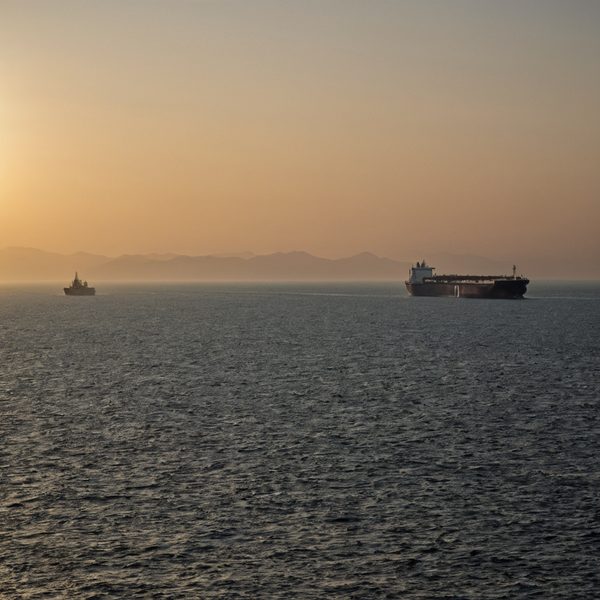
A Haaretz report says Israeli Prime Minister Benjamin Netanyahu persuaded President Donald Trump to pursue military action against Iran by assuring the White House that Tehran would be unable to close the vital Strait of Hormuz and that internal protests in Iran would soon topple the regime. The account, published Wednesday, depicts senior U.S. aides privately scoffing at Netanyahu’s assessments as “bullshit” and “farcical,” but declining to openly challenge the president’s inclination toward escalation.
According to Haaretz, Netanyahu laid out the arguments during discussions at the White House, presenting a scenario in which Iranian attempts to block Hormuz — the narrow waterway through which a large share of the world’s oil transits — would fail and domestic unrest would precipitate the collapse of Iran’s leadership. That analysis appears to have helped shape Trump’s public posture in recent days, officials said, even as career national security staff expressed scepticism behind closed doors.
The report says several aides privately dismissed Netanyahu’s calculations, using profanity to characterise the Israeli leader’s confidence in an imminent Iranian unraveling. Despite their misgivings, the aides did not mount a formal counterweight to the president’s thinking, allowing Trump’s threats and warnings about retaliatory strikes to proceed without substantive internal resistance, according to Haaretz’s sources.
The new details come against a backdrop of heightened U.S.-Iran tensions this month, as the Biden-era diplomatic landscape has unraveled into public threats and narrow timetables for action. Administration comments and social media postings by the president have included explicit warnings about potential strikes on Iranian infrastructure if Tehran takes steps such as closing the Strait of Hormuz, a move Washington has repeatedly said would not be tolerated. Haaretz’s reporting suggests that Netanyahu’s private assurances helped harden the White House line.
Analysts say the episode underscores the influence of foreign leaders on U.S. decision-making at a moment of brittle regional stability. For Washington, the possibility that a foreign leader’s optimistic read of another government’s weakness could tip the president toward military options raises questions about the robustness of internal checks and the role of classified assessments in shaping policy. Haaretz’s account portrays a White House in which skeptical career officials were outvoted, sidelined, or simply unable to persuade the president to change course.
There has been no immediate official comment from the White House or from Netanyahu’s office responding to the Haaretz report. If the account is accurate, it will intensify scrutiny from congressional figures and foreign policy experts already alarmed by the prospect of rapid escalation with Iran and by what critics describe as a lack of coherent, evidence-based decision-making inside the administration.