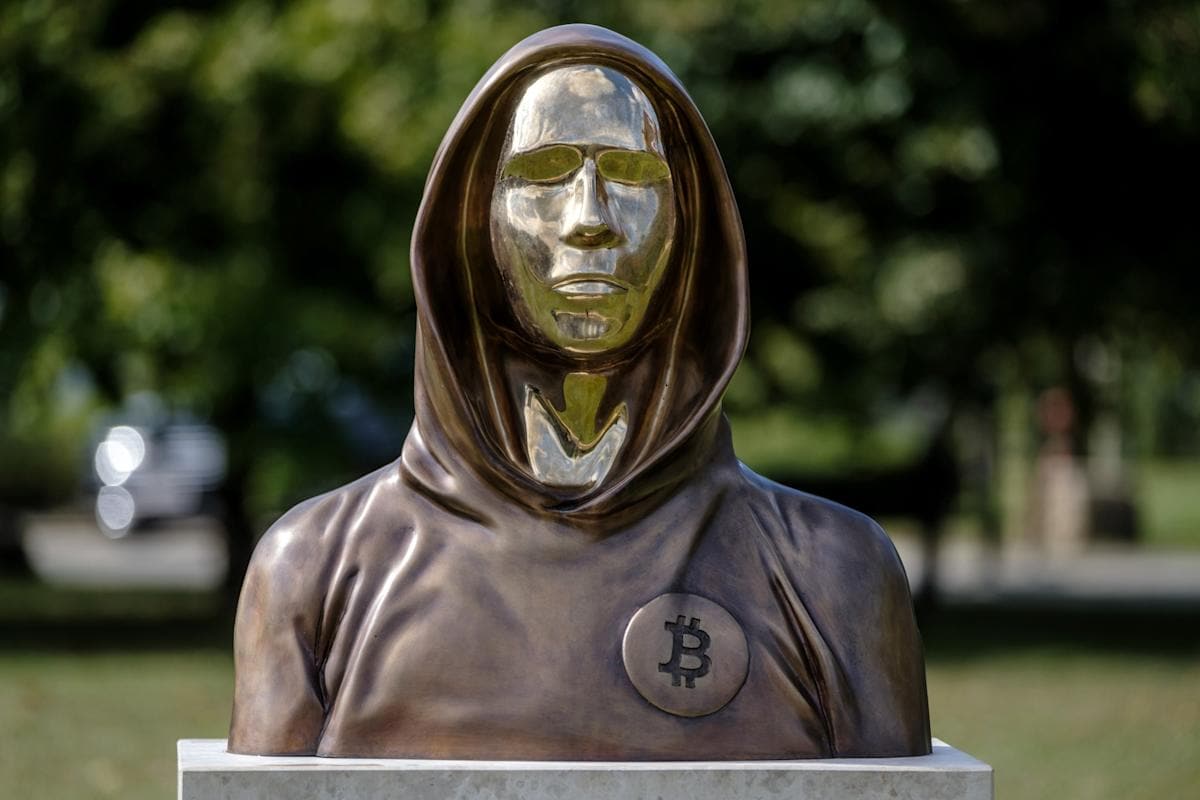
A new Google report has renewed a fraying debate in the Bitcoin community by warning that quantum computing could make short work of the cryptocurrency’s oldest fortunes within the decade. The report says that, by 2029, advances in quantum techniques might allow attackers to crack wallets believed to belong to Bitcoin’s creator, Satoshi Nakamoto, in as little as nine minutes. Those early addresses hold roughly 1.1 million bitcoins — about $75 billion at current prices and more than 5% of Bitcoin’s finite 21 million supply.
Google’s analysis also identifies about 6.9 million bitcoins as the subset most vulnerable to a practical quantum attack. That prospect has revived talk among some developers and market actors of a radical blockchain change: a forced, quantum-resistant protocol upgrade that would lock up or otherwise neutralise coins in vulnerable addresses, effectively preventing anyone — including a quantum-equipped attacker — from spending them in future.
Proponents of such a measure have pointed to the market risk of a quantum hack that suddenly released millions of previously dormant coins into circulation, potentially devastating prices. “If nothing is done, then coins on old addresses, including Satoshi’s, could eventually be taken by whoever first has practical quantum capacity,” said JP Richardson, an early Bitcoiner who runs the wallet firm Exodus. Richardson said it is technically possible to design an upgrade that would render those coins unspendable, though he does not support a compulsory approach.
The idea of making a planned quantum-proofing change mandatory — a proposal tied to a draft known as BIP360 — was discussed at the Satoshi Roundtable in early February, according to attendees. Pete Rizzo, a former crypto journalist turned Bitcoin historian who was at the meeting, said the push for a forced transition represents a minority view rooted in protecting a valuation model that treats Satoshi’s coins as effectively gone. Rizzo argued that any governance strategy that intentionally destroys someone else’s holdings clashes with Bitcoin’s core values of self-sovereignty and decentralization.
Both Richardson and Rizzo said they doubt a forcible upgrade would garner the consensus required to be implemented. Instead, they expect the community to pursue quantum-resistant improvements that users and wallet providers adopt voluntarily. Richardson warned, however, that making those changes across a widely distributed, permissionless network will be among Bitcoin’s most difficult technical and social challenges to date.
The debate lays bare a tension between protecting the ecosystem from an emergent technological threat and preserving the norms that have governed Bitcoin’s evolution: immutability, individual control of funds, and decentralized decision-making. With a timeline from a major technology company projecting practical quantum risk within a few years, the community faces pressure to accelerate work on defensive upgrades — and an uncomfortable choice about whether to impose them on all users or rely on voluntary migration.