Significant changes are expected in 2026 for GLP-1 medications, which have long been characterized by high costs, limited availability, and the necessity for weekly injections. Drugs such as Wegovy and Zepbound are anticipated to become more accessible and affordable, offering new alternatives for individuals who prefer not to use needles.
Dr. Christopher McGowan, a gastroenterologist running a weight loss clinic in Cary, North Carolina, noted that the GLP-1 landscape is set to expand considerably. For the first time, medical treatments for obesity are shifting from a uniform approach to more personalized options.
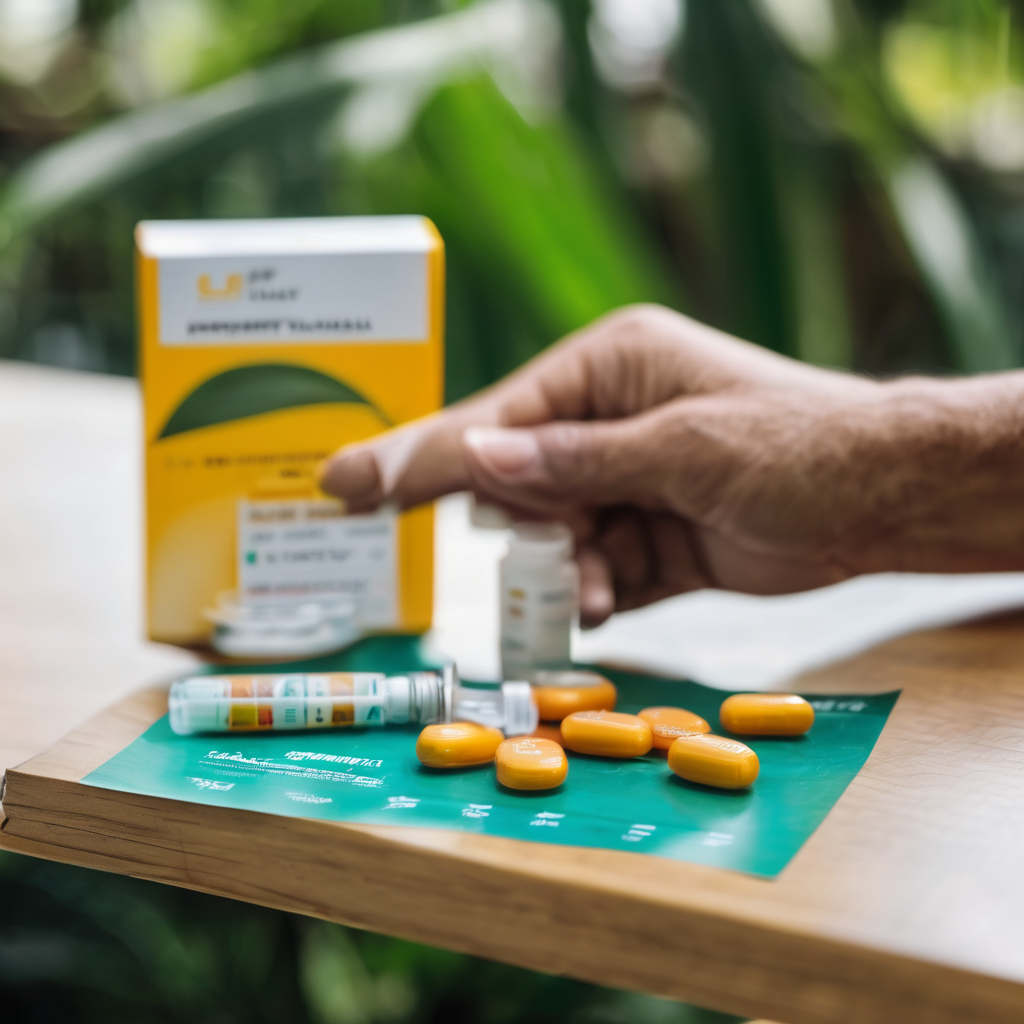
The introduction of oral GLP-1 medications could signal the most transformative development yet in obesity treatment. Recently, Novo Nordisk received FDA approval for the first GLP-1 weight loss pill, which is set to hit the market this month under the name Wegovy pill. This new option is expected to make it easier for patients who typically find injectable versions challenging to manage. Additionally, another GLP-1 pill from Eli Lilly is nearing FDA approval.
According to Dr. Shauna Levy, medical director at the Tulane Weight Loss Center, the availability of these pills should benefit patients who prefer oral medications. She expressed optimism that the increased competition in the market will also drive prices down. While Novo Nordisk has not yet announced the Wegovy pill’s list price, it has indicated that the lower doses will be priced at $149 per month for patients paying out of pocket, which is a significant contrast to the $349 monthly cost of the injection’s lowest dose.
Starting Monday, two higher doses of the Wegovy pill will be available at $299 per month, with insurance coverage potentially lowering out-of-pocket costs to as low as $25 monthly. Dr. Daniela Hurtado Andrade, an endocrinologist at the Mayo Clinic in Jacksonville, Florida, remarked that while lower prices could improve access, the highest dosage typically yields the most significant weight loss, potentially leading to higher costs for patients aiming to lose more weight.
Consistency is crucial when taking these pills to achieve optimal results, as those who adhered strictly to a regimen lost an average of 16.6% of their body weight. Failure to take the medication as prescribed led to lower weight loss results, a dynamic Dr. Levy highlighted while discussing the practicality of these medications in everyday life.
Meanwhile, Eli Lilly is nearing completion of trials for retatrutide, which may become the most potent GLP-1 drug available. Initial results from this weekly injection suggest an impressive weight loss average of 29% over 16 months among participants, though concerns about possible side effects persist, including nausea and gastrointestinal issues.
Access to these GLP-1 medications has also improved through cash-pay programs instituted by both Lilly and Novo Nordisk in recent years, with significant retailers like Costco and Walmart offering Wegovy and Zepbound at competitive prices. Looking ahead, the Trump administration plans to launch a self-pay platform in 2026, expected to further enhance access to these essential drugs. The average monthly cost for weight loss injections under this new initiative is projected to decrease over time, making it more feasible for individuals to seek treatment.
Experts such as Dr. Susan Spratt from Duke University have expressed that while these partnerships are likely to improve access, it remains essential to evaluate whether such discounts are adequate for everyone who might benefit from these medications.
With a rapidly changing landscape for GLP-1 drugs, the ongoing developments signal a hopeful shift towards increased accessibility and affordability for obesity treatments, ultimately benefiting a broader range of patients seeking effective solutions for weight management.