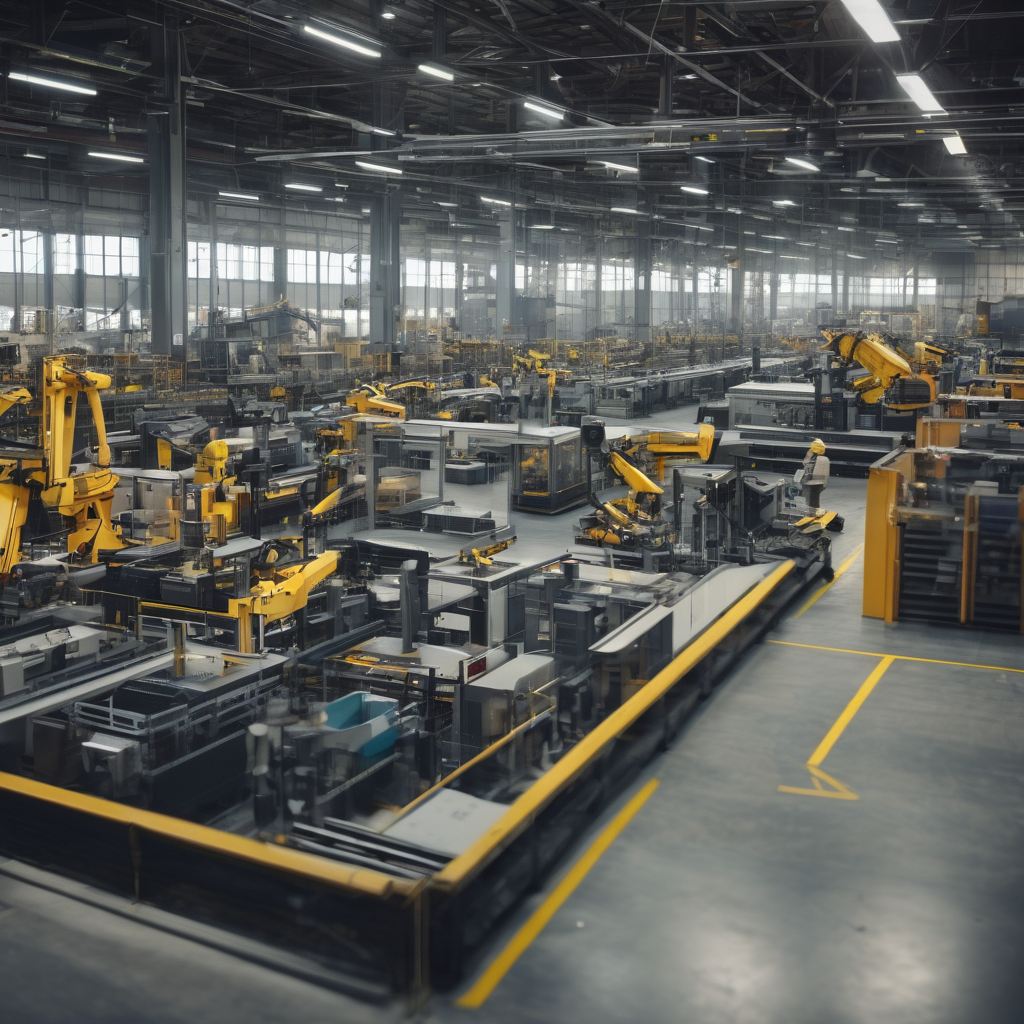
Germany’s factory orders experienced an unexpected surge in November, reflecting a significant increase in demand for defense equipment as European nations accelerate their rearmament efforts in response to ongoing geopolitical tensions. According to preliminary data from the statistics agency Destatis, new orders rose by 5.6 percent month-on-month, marking the third consecutive monthly increase. This outcome defied analysts’ expectations of a 1.3 percent decline, as reported by financial data firm FactSet.
The surge in factory orders is primarily attributed to the aftermath of Russia’s invasion of Ukraine, which has prompted Germany and other European nations to bolster their military capabilities. Chancellor Friedrich Merz has pledged to invest hundreds of billions of euros in defense, further contributing to this upward trend. The economy ministry confirmed that the increase in demand for defense equipment has positively impacted order figures in recent months.
The notable upswing in factory orders presents a glimmer of hope for the largest economy in Europe, which has been grappling with persistent challenges such as a manufacturing slump, elevated energy costs, and subdued demand in critical export markets. Analyst Jens-Oliver Niklasch from LBBW Bank viewed the rise in orders as a potential indicator of an economic turnaround. He noted, however, that while increased defense spending could provide short-term relief, it may not yield sustained growth.
In addition to defense-related orders, there were significant increases in the transport equipment sector, which includes military vehicles, aircraft, ships, and trains. Non-defense sectors also saw growth, with demand rising for electrical and IT equipment, as well as machine tools. Domestic orders surged by 6.5 percent, while foreign orders climbed nearly five percent, with a more than eight percent increase in demand from the eurozone.
Despite these promising figures, the economy ministry cautioned that ongoing trade and geopolitical uncertainties may continue to suppress orders from certain overseas markets. The impact of U.S. tariffs on German exports remains significant, given that the United States is Germany’s largest export destination.
Looking ahead, the government forecasts a modest growth rate of 0.2 percent for 2025, with expectations of improved economic performance in the coming year. The recent increase in factory orders offers a glimpse of renewed vitality in Germany’s industrial sector, potentially setting the stage for more robust economic recovery in the near future.