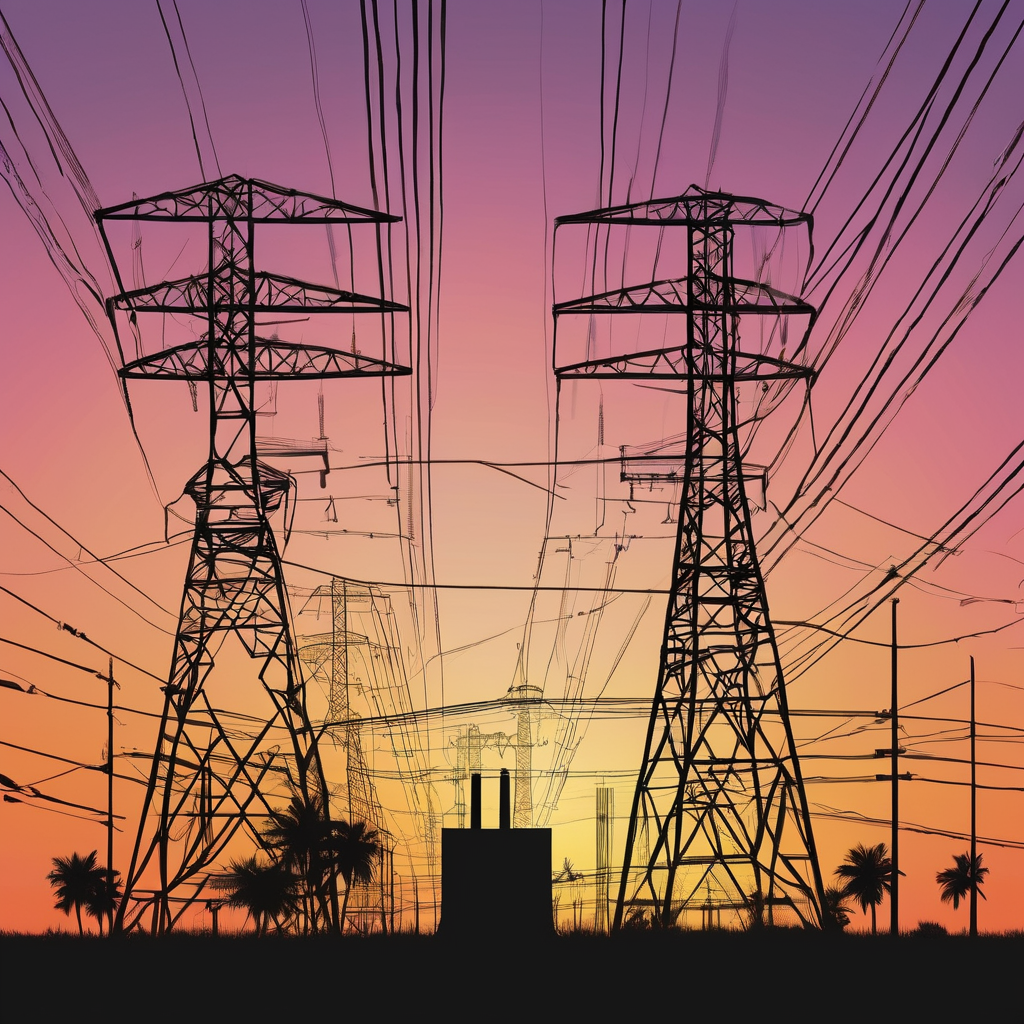
Georgia Power has received unanimous approval from the Georgia Public Service Commission for its extensive initiative to expand electricity generation capacity by approximately 10 gigawatts, marking a significant 50% increase that is projected to cost tens of billions of dollars. This expansion consists of the construction of five new gas-powered plants and contracts for enhanced power supply, primarily spurred by the rising electricity demands from technology companies setting up data centers.
CEO Kim Greene highlighted the “projected unprecedented growth” that justified this ambitious plan, noting that Georgia Power had already secured contracts for three gigawatts of new demand in the current year. However, some critics have raised concerns regarding the company’s optimistic demand forecasts, which are predicated on undisclosed “trade secret” data. They caution that if actual demand falls short, the financial burden might shift to existing customers.
To alleviate these apprehensions, Georgia Power has committed to shielding current residential customers from the expansion costs until 2031, with large-scale customers, such as data centers, assuming the financial responsibility. The utility asserts that its revenue and expense structure will exert “downward pressure” on residential bills, projecting an approximate monthly reduction of $8.50. Nonetheless, environmental advocates and renewable energy supporters remain wary, cautioning against potential undisclosed “upward pressure” that could diminish or negate these anticipated savings.
The December 19 vote by the five Republican commissioners came under scrutiny, as it was scheduled just before two incoming Democratic commissioners were set to join the commission, following a public backlash against previous electricity rate hikes. The Southern Environmental Law Center attempted a last-minute legal maneuver to delay the vote and called for greater transparency related to Georgia Power’s promised rate cuts; however, their motions were largely rejected.
In a related matter, Fani Willis, Fulton County’s district attorney, recently testified before a Georgia Senate committee amid ongoing investigations into her indictment of Donald Trump and others following the 2020 election. During the three-hour testimony, Willis defended her actions while facing criticisms from Republican committee members regarding possible misuse of public funds and political motivations behind her decisions. She countered accusations by highlighting the political ambitions of some committee members, suggesting the investigation served as a platform for their campaigns.
Additionally, researchers from the University of Georgia have reinforced claims that mining operations near the Okefenokee Swamp could be detrimental. Their study revealed a connection between the swamp and the underlying Upper Floridian Aquifer, indicating that excessive water extraction could jeopardize the swamp’s unique ecosystem. Environmental advocates are now calling for a ban on mining in the area, supporting legislative actions to protect this vital habitat.
These developments underscore the ongoing balancing act between energy expansion, environmental preservation, and political accountability in Georgia, reflecting the complex interplay of interests that will shape the state’s energy future.