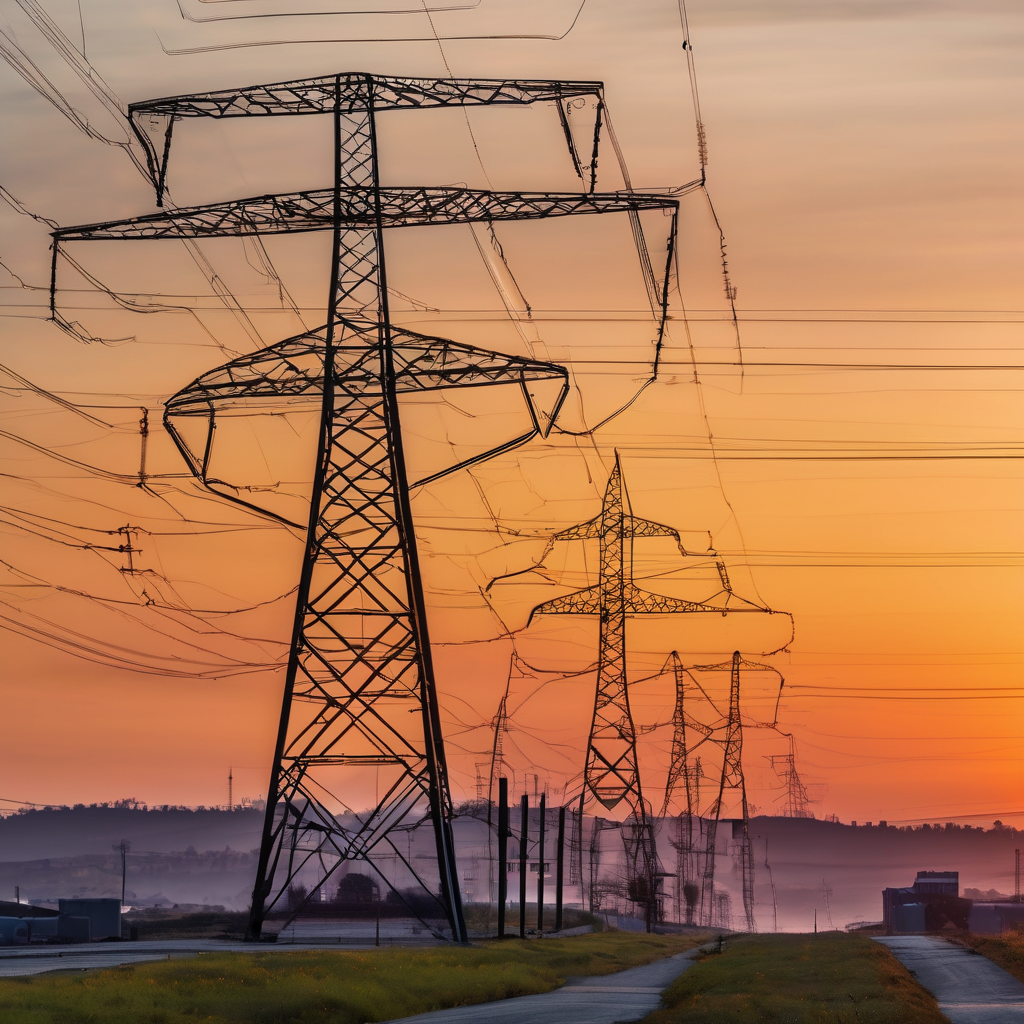
Georgia’s only private electric utility, Georgia Power Co., is set to expand its power capacity by 50% to meet the growing demand from data centers, particularly those driven by artificial intelligence. This ambitious plan received unanimous approval from the state’s Public Service Commission on Friday, marking one of the largest expansions in the U.S. aimed at accommodating the energy needs of high-tech developers. The construction is projected to cost $16.3 billion, with long-term costs for consumers estimated to reach between $50 billion to $60 billion, including interest and profits for the utility.
Georgia Power’s CEO, Kim Greene, expressed confidence that larger energy users would finance their share, which would help alleviate energy costs for residential customers, beginning in 2029. “Large energy users are paying more so families and small businesses can pay less, and that’s a great result for Georgians,” she stated.
However, the decision faced opposition, particularly from some members of the commission and local residents. Critics argue that the commission’s five Republican members are engaging in a gamble by investing heavily in data center clients while leaving existing ratepayers to bear the financial burden if the anticipated demand falters. Bob Sherrier, an attorney representing the opposition, stated, “The need for 10,000 megawatts of new capacity resources on the system in the next six years isn’t here. It just isn’t, and it may never be.”
This approval comes on the heels of a significant shift in Georgia’s political landscape, where Democratic candidates recently ousted two Republican incumbents on the commission in a referendum against rising power bills. The newly elected Democrats, Peter Hubbard and Alicia Johnson, who will take office on January 1, opposed the vote.
Electricity costs have become a contentious political issue, with many Georgia residents expressing concern that smaller consumers may end up subsidizing the energy demands of large tech companies. Georgia Power claims that it requires 10,000 megawatts of new capacity—enough to power roughly 4 million homes—with an estimated 80% directed to data centers. Currently, the utility serves 2.7 million customers across various sectors.
Doubts persist regarding whether Georgia Power’s demand projections will materialize. The commission’s decision allows the company to build or acquire the necessary capacity, despite earlier suggestions that their forecasts included excessive speculative construction. In exchange, the company stated it would apply revenue from new customers to help mitigate rate increases through 2031, potentially reducing bills for residential consumers by at least $8.50 a month.
Despite these promises, consumer advocates caution that such “downward pressure” on rates does not guarantee actual decreases in electricity bills. Liz Coyle, director of Georgia Watch, highlighted the ambiguity of this assurance, indicating that it could simply mean rates will not skyrocket.
As the public continues to raise concerns about environmental implications, with critics calling for attention to carbon emissions and environmental impacts, the commission remains pressed to closely monitor demand shifts. If data centers do not consume as anticipated, Georgia Power might need to amend its energy agreements and reshape its infrastructure.
The debate around this substantial expansion serves as a critical reminder of the complexities involved in balancing economic growth, energy demand, and the environmental impact. As Georgia Power embarks on this transformative project, the future will reveal whether the anticipated demand aligns with reality and the implications it holds for consumers and the environment alike.