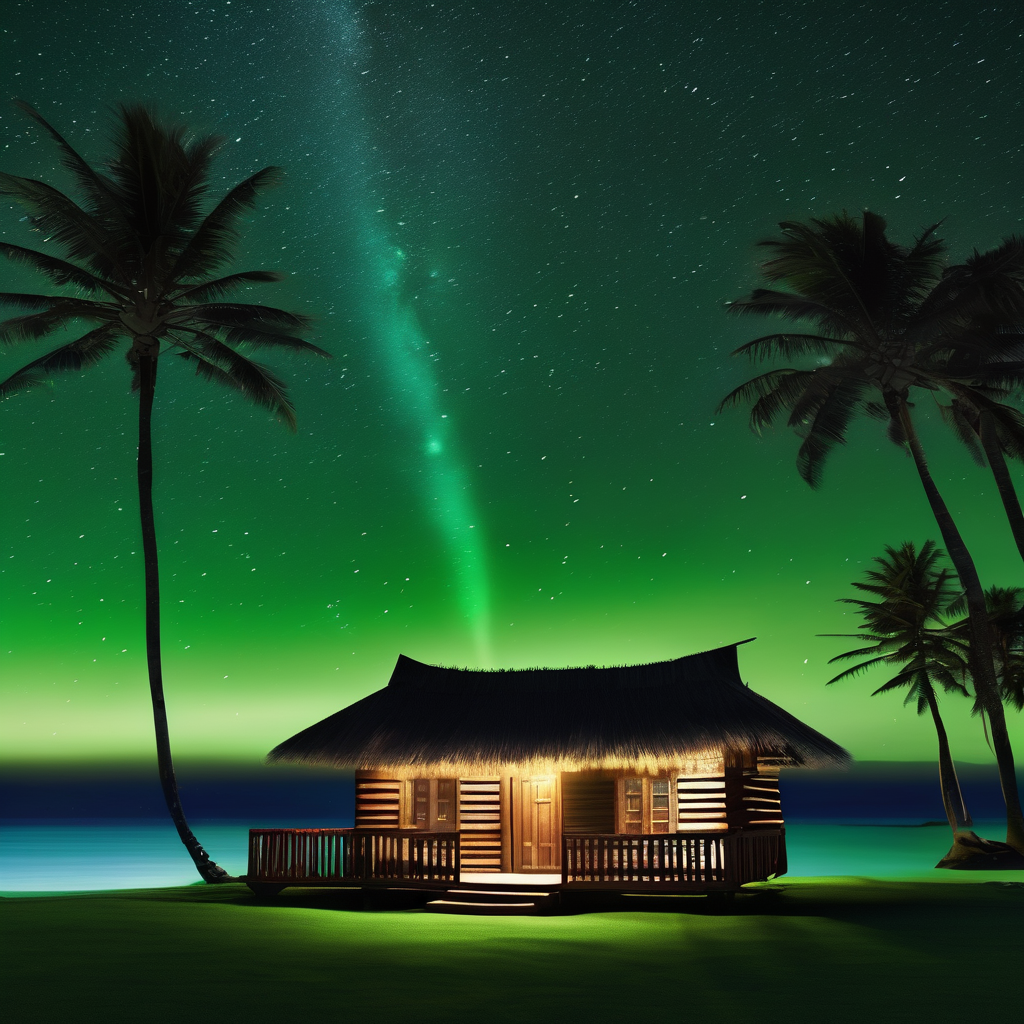
Prepare for an incredible celestial event this Saturday night, as the Geminid meteor shower promises to dazzle skywatchers with an impressive display of green meteors—weather permitting. Recognized as the year’s largest and most spectacular meteor shower, the Geminids can produce up to 50 meteors per hour. Observers don’t need any specialized equipment to appreciate the show; all that’s required is a clear, dark sky and some patience.
While the meteor shower can be enjoyed around the globe, those in the northern hemisphere stand a better chance of witnessing a higher number of meteors. This is due to the radiant point—the location in the sky from where the meteors appear to originate—being positioned higher in the northern skies.
To fully experience the Geminids, find a location far from urban light pollution, where you have a commendable view of the sky. Allow your eyes at least 10 minutes to adjust to the darkness; avoid checking your phone, as it can hinder your night vision. Then, settle in and enjoy the celestial display.
A meteoroid is any object traveling through space. When it enters Earth’s atmosphere and begins to burn, it becomes a meteor. If it survives the journey and impacts the ground, it’s termed a meteorite. The particles from the Geminids are small, roughly the size of a grain of puffed rice, which assures that they will burn up entirely before reaching Earth.
The timing of the Geminids in December is no coincidence. Earth encounters a dense pocket of debris from asteroid 3200 Phaethon during this time of year. This asteroid last passed by the sun in May 2022, leaving behind a stream of space pebbles that our planet crosses annually.
The vibrant colors of the meteors come from the burning of metallic compounds contained in the pebble-sized particles. Elements such as sodium, magnesium, and iron contribute to the spectrum of colors, which can include shades of emerald green, purple, amber, and white.
At remarkable speeds of about 22 miles per second, the meteors create heat through air resistance and friction, leading to their bright display. A cushion of compressed air in front of the meteors also contributes to their luminescent trails, which may linger for several seconds even after the meteor has disintegrated.
This year’s display is particularly favorable due to the moon being in its waning crescent phase. With the moon not rising until approximately 1 a.m. local time in most areas, the darkness should enhance the visibility of fainter meteors throughout the night. The peak viewing hours are expected between 9 p.m. and 1 a.m., especially after midnight when the constellation Gemini is high in the sky, acting as the shower’s radiant point.
Embrace the opportunity to witness this remarkable event, as the Geminid meteor shower is not just a scientific phenomenon but also a beautiful reminder of the wonders of our universe.