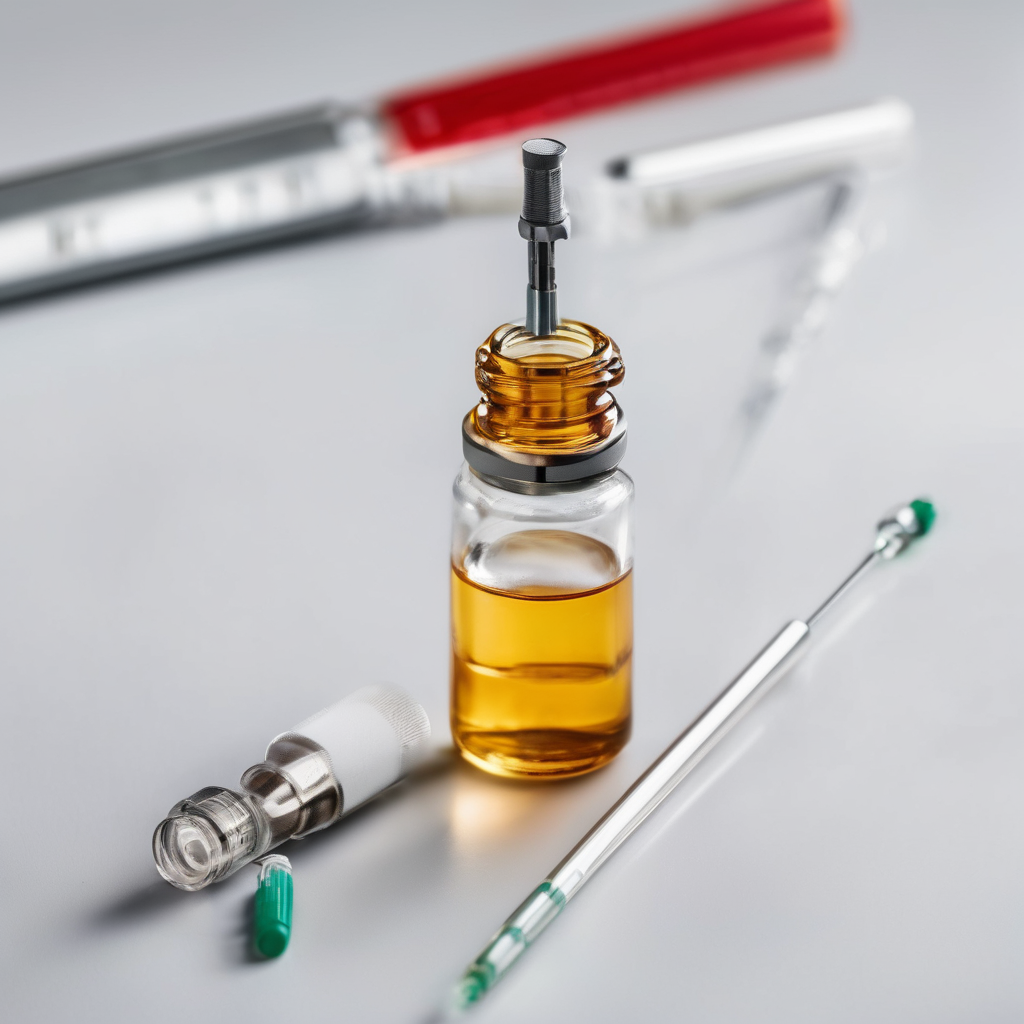
For the first time, young children in the UK will be offered a free chickenpox vaccine as part of their routine childhood immunizations through the NHS. This initiative represents the introduction of the MMRV jab, which combines the chickenpox vaccine with the existing MMR vaccine that protects against measles, mumps, and rubella.
Chickenpox, known medically as varicella, is a highly contagious illness, with approximately half of children infected by the age of four and up to 90 percent by age ten. Though often mild, the chickenpox virus can lead to severe complications requiring hospitalization, such as chest infections and seizures.
Health authorities have welcomed this new vaccine rollout, emphasizing the significant impact of chickenpox on families. Health Secretary Wes Streeting highlighted that the vaccine provides peace of mind for parents concerned about the illness, which often results in children missing school and parents taking time off work to care for them. The initiative will not only help protect children from a disease that leads thousands to the hospital each year but is also projected to save families time and money. It is estimated that chickenpox causes £24 million in lost income and productivity in the UK annually. The rollout is set to save the NHS around £15 million per year in treatment costs.
Dr. Gayatri Amirthalingam from the UK Health Security Agency pointed out that while many parents view chickenpox as a common illness, it can be serious for some individuals. She encouraged parents to make it a priority for their children to receive the vaccine.
Professor Victoria Tzortziou Brown from the Royal College of GPs also praised the expansion of the NHS childhood vaccination program, noting the success of the vaccine initiative in protecting children from various illnesses.
The chickenpox vaccine will be administered alongside the MMR vaccine. Starting from January 2025, children born on or after this date will receive two doses of the MMRV vaccine at 12 and 18 months. Children born between July and December 2024 will be offered doses at 18 months and again at three years and four months. A catch-up program is also planned for those born between January 2020 and August 2022.
Parents can look forward to reduced illness-related disruptions in their households, offering a more secure and healthy future for their children. As the NHS begins this new chapter in childhood vaccinations, families can relish the reassurance that comes with this enhanced protective measure.