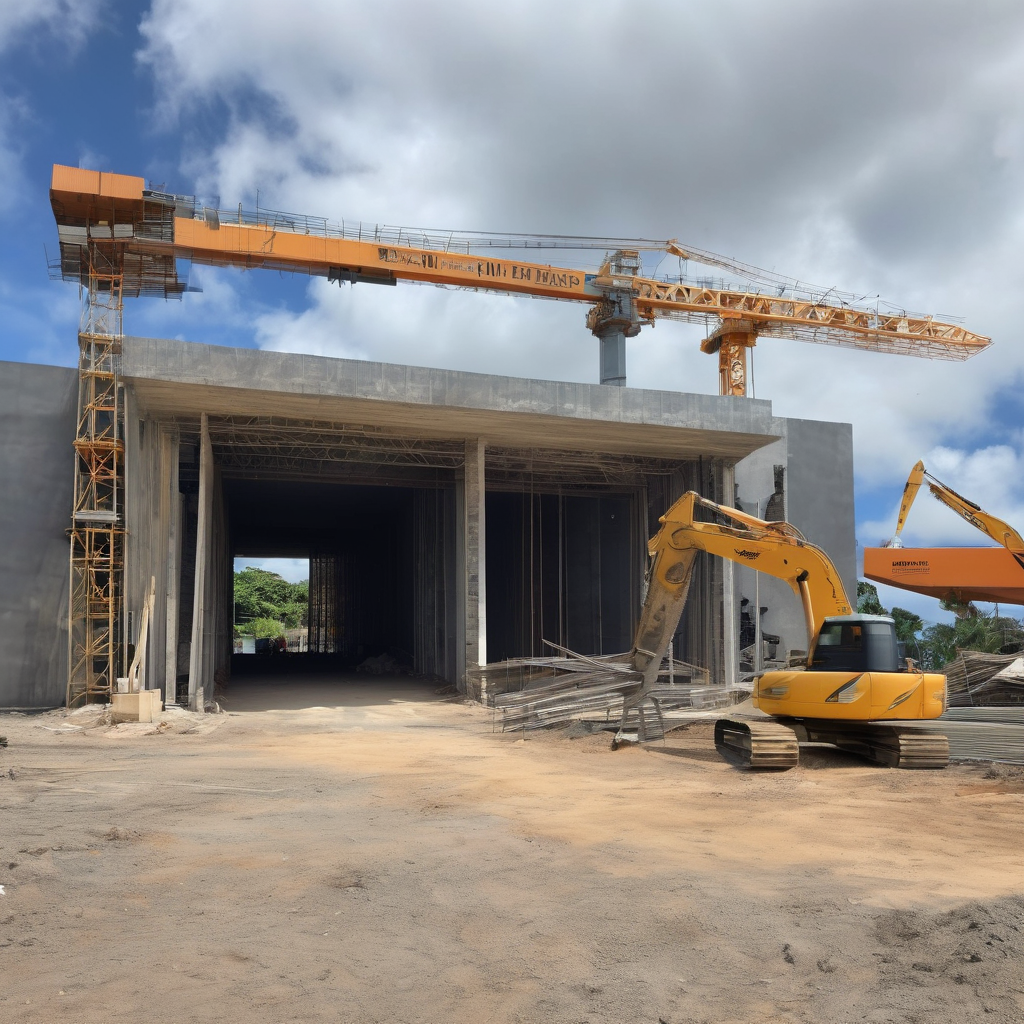
The long-awaited construction of the Fiji National University (FNU) Labasa Campus has seen a staggering $12 million invested, yet the progress remains minimal, with only a traditional bure and three classrooms constructed on the site. FNU Vice-Chancellor, Professor Unaisi Nabobo-Baba, revealed that the construction, which began 15 years ago, has been shrouded in uncertainty.
In 2023, the university undertook a comprehensive review to investigate the delays and lack of progress regarding the campus. Faced with demands from the government and other stakeholders for accountability, a thorough examination of historical records linked to the project was conducted. The findings of this investigation were subsequently submitted to the Fiji Independent Commission Against Corruption (FICAC).
Professor Nabobo-Baba expressed deep concern about the use of such a significant sum of taxpayer dollars with so little to show for it. In a move towards transparency, a report detailing the investigation’s results was also submitted to a parliamentary standing committee.
Adding historical context to the situation, Tui Macuata Ratu Wiliame Katonivere noted during a recent FNU graduation ceremony that discussions about establishing a university in the North began back in 2008. These conversations were initiated after surveys indicated that many students from Vanua Levu were pursuing higher education on Viti Levu. The land necessary for the campus was generously gifted in 2013, with assurances that construction would be completed by the following year.
However, the reality stands in stark contrast to those original projections, as the groundbreaking ceremony held in 2013, which was attended by the then education minister, Filipe Bole, was followed by numerous promises that construction would span between three to five years. Today, Ratu Wiliame commented that the incomplete buildings serve as a poignant reminder of neglect and inadequate planning, raising pressing questions about the commitment to educational development in the region.
Despite the setbacks, the ongoing scrutiny and the involvement of authorities like FICAC signifies a potential turning point for accountability and a hope for revitalized progress in establishing the facility, which remains a critical aspiration for the community in the Northern Division.