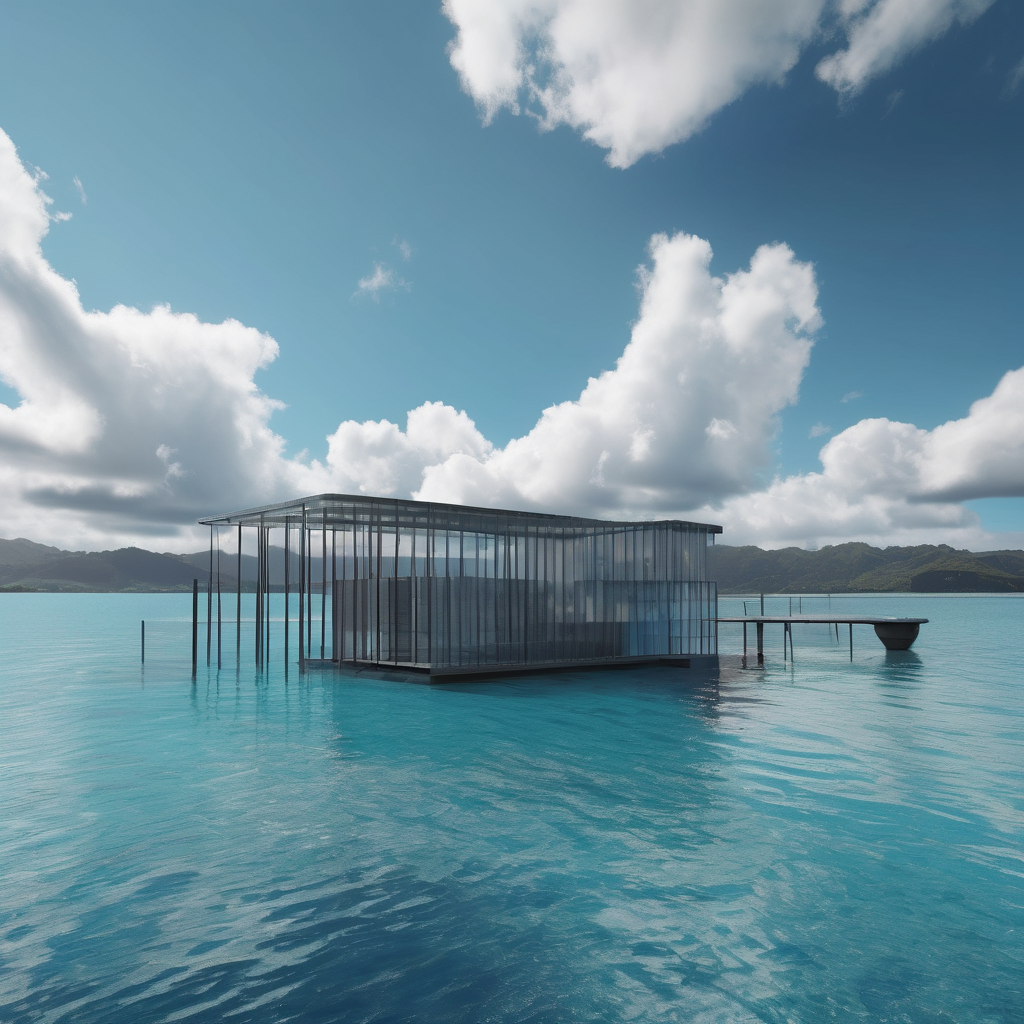
Seismic challenges and the impacts of climate change are taking a toll on marine infrastructure in the Pacific region, often hindering access to essential relief supplies during crises. Marine Infrastructure, Australia is stepping up to address these issues by utilizing its extensive experience and technological innovations to provide resilient solutions specifically designed for the unique conditions of the Pacific.
According to John Hogan, the Marine Structures Director, floating marinas are remarkably adaptable, capable of managing tidal fluctuations and variable wave conditions. This flexibility stands in stark contrast to rigid fixed structures, which require expensive protective measures. The ability to withstand the frequent cyclones, flooding, and earthquakes in island regions gives these floating solutions a competitive edge.
Hogan highlighted the potential to lower seismic risks and minimize project costs by advocating for floating structures over fixed installations, given the elevated budgets for projects that must comply with seismic design regulations. He outlined a long-term vision focused on constructing sustainable and adaptive marine infrastructure that can respond to changing environmental and economic demands.
With a wealth of experience including 25 years with Superior Jetties and a background in the U.S. mining and concrete industries, Hogan brings valuable engineering and business acumen to this initiative. The company’s business model integrates centralized manufacturing in Australia with local assembly and installation in Fiji, which optimizes costs and fosters in-market capabilities.
By sending production kits to Fiji for assembly by trusted local partners, the company is able to shorten on-site construction timelines, thus reducing overall project complexity and expenses. Hogan expressed his vision of gradually transitioning some manufacturing processes, such as aluminum fabrication, to Fiji through training programs and apprenticeships, which would help build local expertise.
This commitment to developing local skills aligns with Fiji’s economic development objectives, providing job opportunities and enhancing technical capacities within the community. Furthermore, future market entries into other Pacific islands will focus on forming joint ventures with local civil engineering firms specializing in marine works, rather than establishing local manufacturing plants.
To facilitate this, the company is seeking partnerships with firms that possess essential equipment and local market knowledge to manage field operations, while continuing to centralize manufacturing. Hogan emphasized the importance of collaboration to scale their efforts effectively, capitalizing on established relationships and trusted partners while avoiding unnecessary duplication of infrastructure.
This innovative approach not only aids in addressing the immediate challenges posed by climate change and seismic activity but also paves the way for sustainable economic opportunities in the Pacific region through local workforce development and partnerships.