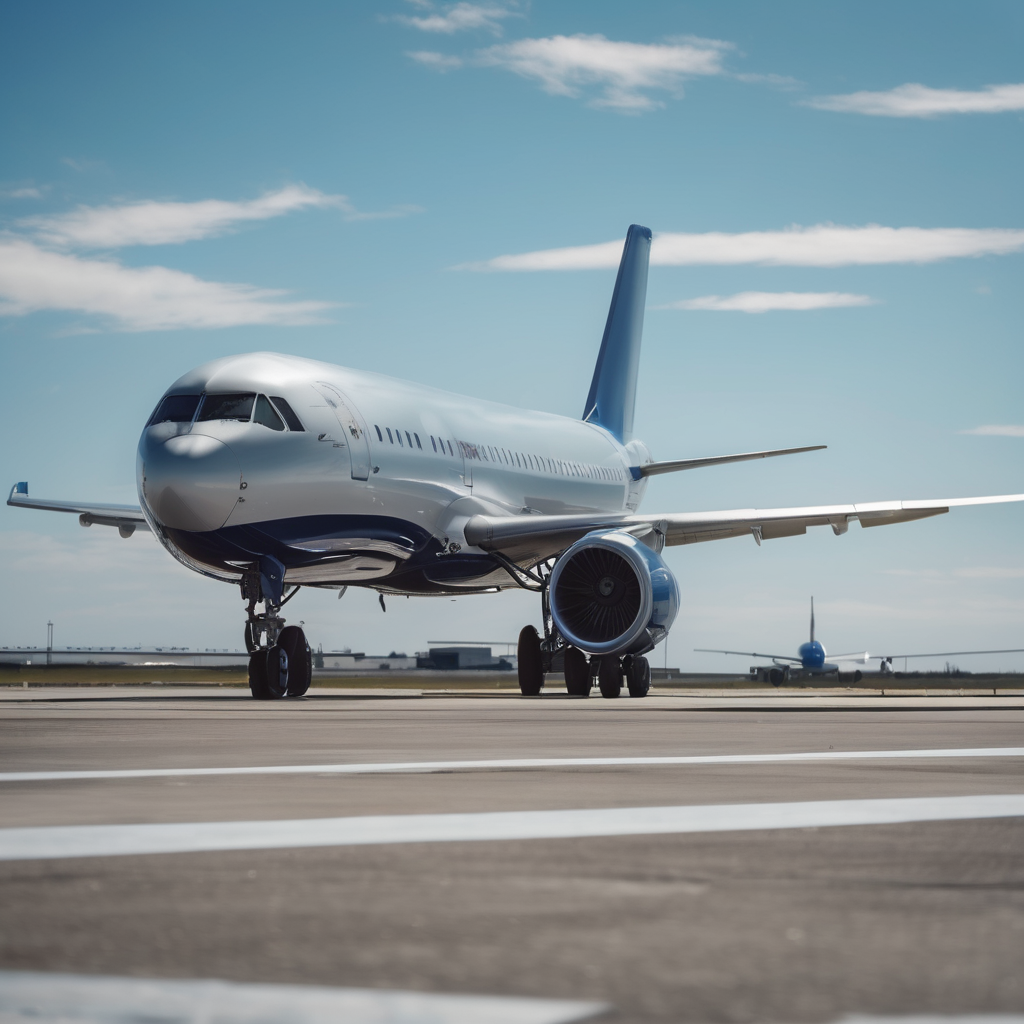
Thousands of travelers across the U.S. have found themselves stranded as major airlines like JetBlue, American, Delta, United, and Spirit face a staggering 890 flight cancellations and over 4,000 delays. This widespread disruption is primarily impacting key airports in cities such as New York, Miami, Atlanta, Detroit, Orlando, and Dallas. The challenges stem from a mix of airspace restrictions following military actions in Venezuela, adverse weather conditions, and operational difficulties within the airlines.
The chaos began when the Federal Aviation Administration (FAA) imposed emergency airspace restrictions in response to military strikes in Venezuela, affecting commercial flights traversing Caribbean and northern South American airspace. Airlines have been compelled to reroute flights, resulting in significant delays and cancellations, particularly on routes heavily reliant on the affected airspace.
The disruptions have severely strained operations at major U.S. airports, with Miami International (MIA), John F. Kennedy International (JFK), and Hartsfield-Jackson Atlanta International (ATL) reporting the most significant impacts. For instance, airlines operating from MIA had to cancel dozens of flights, whilst JFK reported 129 cancellations and 139 delays.
According to the latest data, JetBlue and American Airlines are two of the most affected airlines, experiencing a combined total of over 300 cancellations and nearly 600 delays. Other airlines like Delta and United have also struggled, encountering a significant number of cancellations and delays that ripple through their networks. For instance, Delta reported 114 cancellations and 272 delays, while United Airlines faced 80 cancellations and 262 delays. Meanwhile, the low-cost carrier Spirit Airlines recorded 74 cancellations and 127 delays.
Passengers affected by the disruptions are advised to stay vigilant and check their flight statuses through airline websites or mobile apps for the latest updates. Those with cancelled flights should utilize online tools provided by airlines to rebook or seek alternative travel arrangements. Airlines may also offer compensation or vouchers for long delays, which affected passengers should be aware of in order to minimize inconvenience.
Despite the overwhelming challenges, there remains hope for recovery as airlines and airports work to address the disruptions. With careful planning and vigilance, travelers can navigate the challenges posed by the ongoing travel chaos and work toward getting their travel plans back on track.