A case of highly pathogenic avian influenza (HPAI) has been confirmed in a dairy herd in Dodge County, Wisconsin, according to the Wisconsin Department of Agriculture, Trade and Consumer Protection (DATCP). This marks the first instance of the virus being detected in dairy cattle within the state.
The affected dairy herd was identified through the routine National Milk Testing Strategy, not through the surveillance mandated for transporting cattle across state lines. In response, the farm has been quarantined, and any cattle showing symptoms of illness are being isolated for treatment.
Previously, HPAI had been identified in poultry flocks across Wisconsin, with an earlier detection reported on December 9 in Marquette County, located just north of Dodge County. While there have been documented cases of HPAI in dairy cattle in the U.S. before, with initial detections occurring in March 2024 in Texas and Kansas, the situation remains concerning. Over 1,000 confirmed cases have since been registered across 18 states, primarily through dedicated testing and monitoring efforts. Notably, California has recently reported an additional case within the last month, underscoring the ongoing threat posed by the virus.
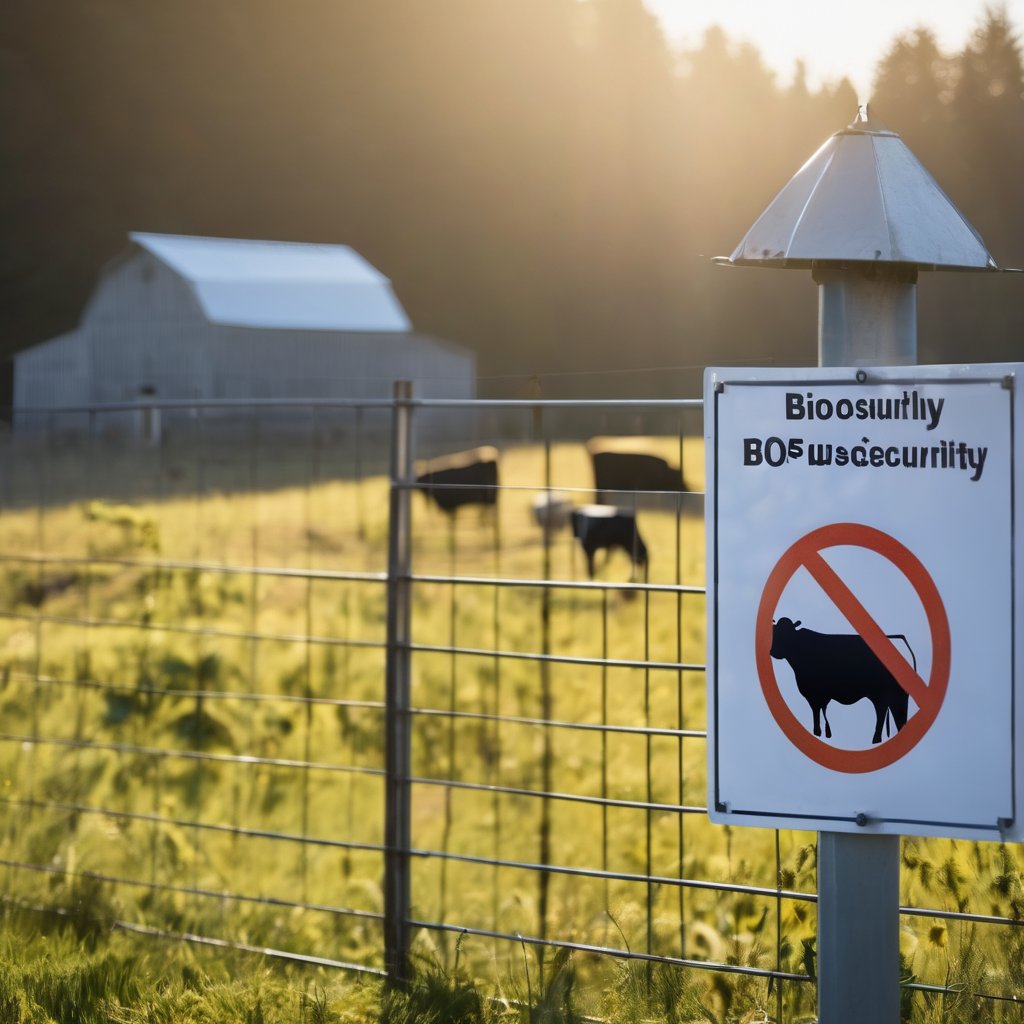
Furthermore, recent research highlights significant gaps in dairy biosecurity practices across the country. A survey of over 300 dairy producers, discussed at the MILK Business Conference, indicated that while 68% of farms with herds of at least 250 cows have a biosecurity plan, 34% of those plans are not regularly reviewed or updated. Experts emphasize the need for more effective biosecurity measures to mitigate the risk of diseases like HPAI, New World screwworm, and bovine spongiform encephalopathy.
Kirk Ramsey, a professional services veterinarian with Neogen, pointed out the importance of making biosecurity efforts impactful at the ground level to prevent serious outbreaks and protect employees and their families from risks associated with livestock sickness.
As monitoring measures continue, professionals urge dairy producers to remain vigilant for early symptoms of HPAI, which include decreased milk production, lack of appetite, changes in manure consistency, thickened or colostrum-like milk, and low-grade fever. While state officials are closely monitoring the situation and collaborating with the affected farm to contain the virus, DATCP has reassured the public that there is no risk to the commercial milk supply, as pasteurization effectively eliminates the virus, and the CDC considers the risk to human health to be low.
This case serves as a significant reminder of the vital importance of biosecurity in safeguarding animal health and ensuring a stable food supply.