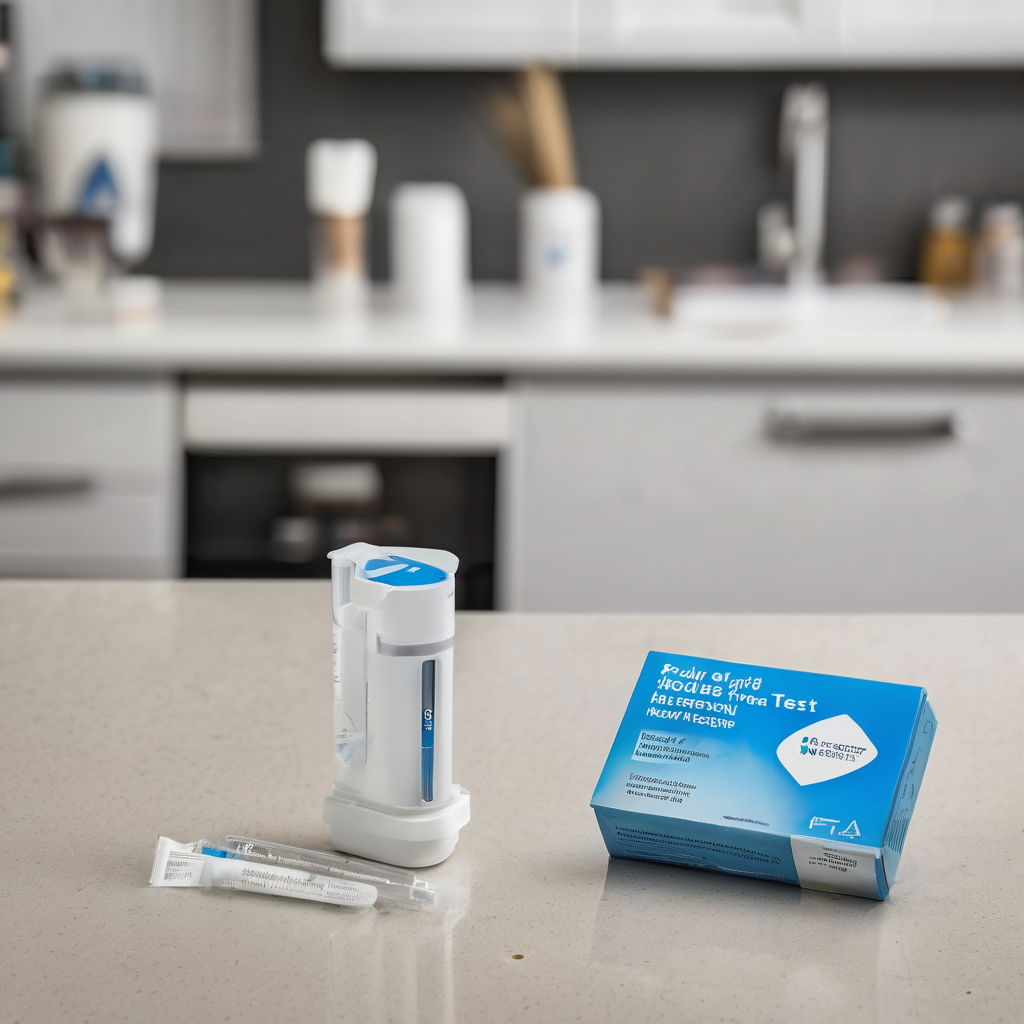
The World Health Organization (WHO) has made a pivotal announcement regarding the prequalification of the very first rapid antigen diagnostic tests for SARS-CoV-2, the virus responsible for COVID-19. This marks an important advancement in the global health response to the pandemic, particularly as it ensures that these tests meet rigorous standards for quality, safety, and performance.
On December 17, 2025, the WHO confirmed its approval of the SD Biosensor STANDARD Q COVID-19 Ag Test and the ACON Biotech Flowflex SARS-CoV-2 Antigen Rapid Test. These tests are designed to deliver results in a swift timeframe of 15 to 30 minutes, making them highly efficient and cost-effective options. They can be utilized in various settings, such as clinics, community centers, and even at home, thus facilitating the quick identification of infectious cases. This capability is essential for supporting public health measures in tandem with molecular testing methodologies.
By granting prequalification status, the WHO has elevated these rapid antigen tests beyond their emergency use phase, allowing them to be procured by various organizations, including UN agencies, global health partners, and national governments. This development is particularly promising for low- and middle-income countries that often face challenges related to cost and regulation. The pooling of resources is expected to lower prices and create stable supply chains, ultimately expanding access to these vital testing resources.
The Centers for Disease Control and Prevention (CDC) has emphasized the importance of COVID-19 testing, stating, “COVID-19 testing can help you know if you have COVID-19 so you can decide what to do next, like getting treatment to reduce your risk of severe illness and taking steps to lower your chances of spreading the virus to others.” While rapid antigen tests are useful, the CDC acknowledges that nucleic acid amplification tests (NAATs), such as PCR tests, remain the “gold standard” for COVID-19 testing, as they are more likely to accurately detect the virus.
More than two years have passed since the WHO declared the COVID-19 public health emergency over in May 2023, yet the virus continues to circulate globally. Recent data from the WHO indicates notable outbreaks in regions like western Europe and various states across the central United States, highlighting the ongoing need for effective testing and health strategies.
Increased accessibility to rapid testing through WHO’s prequalification of these antigen tests presents a hopeful avenue for managing the pandemic effectively, ensuring that more individuals can receive timely information about their health and support public health efforts to mitigate the spread of COVID-19.