Fiji’s economy is largely driven by tourism, which stands as the primary source of foreign exchange and significantly boosts the nation’s Gross Domestic Product (GDP). Alongside tourism, other sectors such as services, finance, retail, and light manufacturing—including garments, food, beverage processing, and wood products—make substantial contributions to the economy.
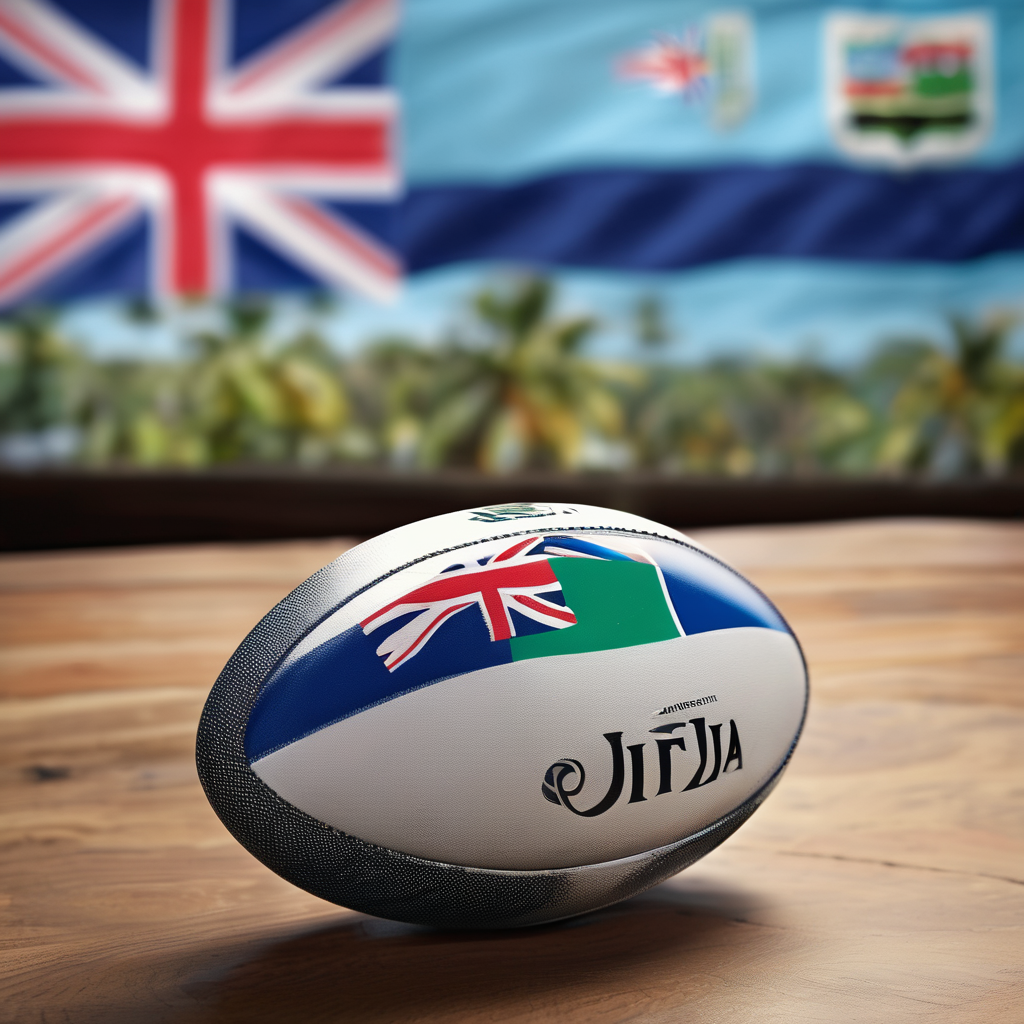
Emerging from the shadows, sports are beginning to carve out an essential role in Fiji’s economic landscape. The Fijian Drua, a professional rugby team, is at the forefront of this shift, making a notable impact on the economy and enhancing Fiji’s global profile through strategic sports diplomacy. Shane Hussein, the Head of Commercial and Marketing for the Fijian Drua, stated that the team generates an impressive annual economic contribution of $108 million, which accounts for 0.82 percent of Fiji’s GDP. This statistic is backed by a comprehensive report from ANZ, authored by Dr. Kishti Sen, which affirms the economic significance of the team based on extensive surveys.
The influence of sports in Fiji extends beyond just rugby. When combined with contributions from Fiji Football, Rugby League, and Rugby Union, the total sports-related economic impact could surpass $250 million annually. Hussein emphasized that sports diplomacy enhances Fiji’s international visibility, establishing a vital platform for economic and political engagement, with rugby acting as a key global ambassador for the nation.
According to Hussein, rugby and other sports reach millions of homes around the world, providing Fiji with extensive exposure that benefits not only the sporting arena but also tourism and trade sectors. He noted that the financial support from the Australian government played a crucial role in establishing the Drua as a professional team, reflecting and reinforcing the strong bilateral ties between Fiji and Australia, which in turn supports Fiji’s diplomatic and economic initiatives on the global stage.
The deep-rooted connection to Australian businesses can be traced back to substantial investments made in community and sports programs over the years. Historical Australian grants and initiatives have fostered goodwill that has evolved into significant trade relationships. Hussein expressed that this trust cultivates favorable conditions for Australian exports and business collaborations in Fiji.
Sports are seen as a unique vehicle for maintaining and expanding the bilateral relationship between Fiji and Australia, with the potential for fostering similar partnerships with other countries, thus diversifying Fiji’s business networks. This strategic approach not only enhances Fiji’s economic prospects but also reinforces its global standing, showcasing the transformative power of sports in international relations and economic development.