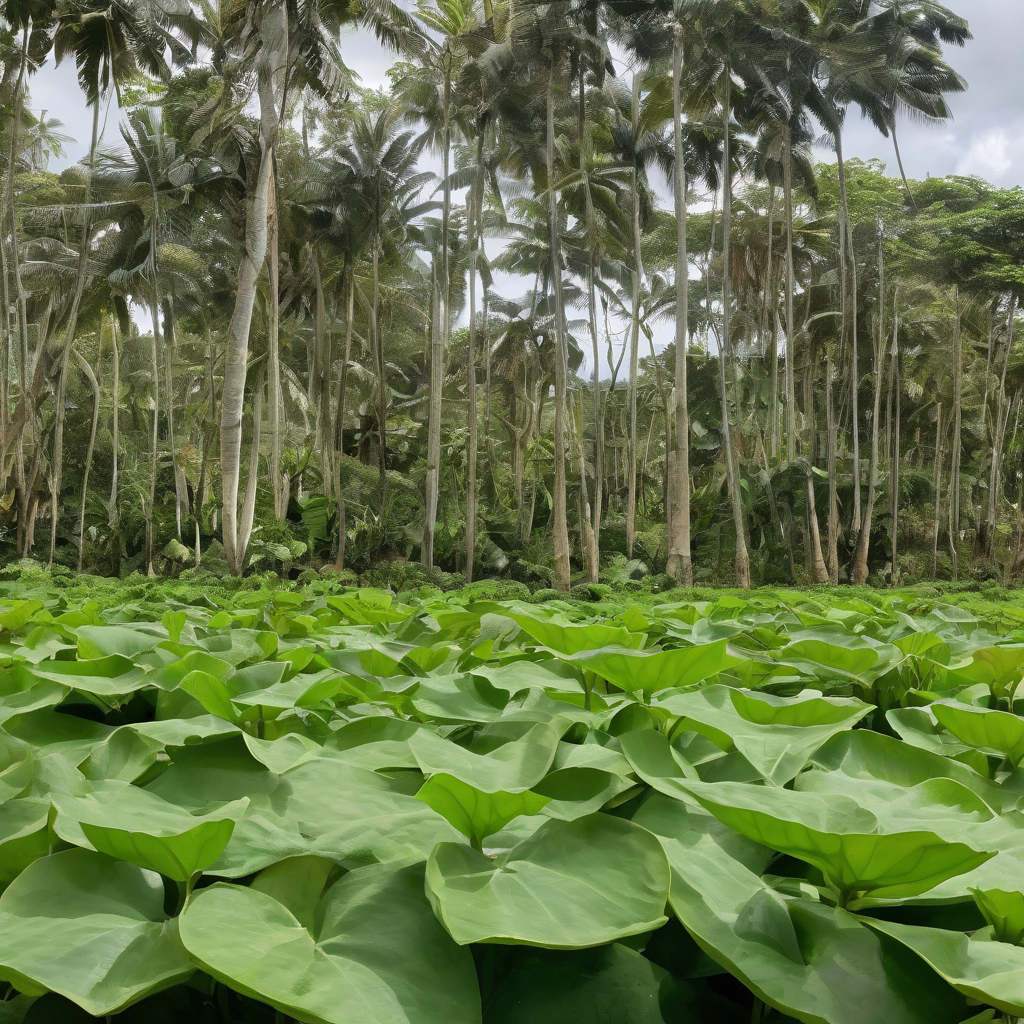
Kava dieback is increasingly threatening farms in Fiji, prompting urgent action from agriculture authorities to safeguard the nation’s vital kava crop. Permanent Secretary for Agriculture and Waterways, Dr. Andrew Tukana, attributes the spread of the disease to the Cucumber Mosaic Virus, exacerbated by environmental stressors. This condition leads to symptoms like stem blackening and, ultimately, plant death, complicating farmers’ efforts to sustain consistent production levels.
Dr. Tukana highlighted the multitude of challenges currently facing the kava industry, stating, “the cover industry has been inundated with multiple challenges,” including not only dieback but also on-farm theft, a lack of quality planting materials, and declining soil health. A recent survey revealed that 20 percent of kava farms are afflicted, jeopardizing an industry valued at over $54 million and the livelihoods of approximately 18,500 families who depend on it.
Many farmers still rely on traditional agricultural approaches, which may not be sufficient to combat these current issues. David Hicks, Program Manager of the Pacific Horticultural and Agricultural Market Access (PHAMA), announced that efforts are being made in collaboration with the Ministry of Agriculture to introduce Fiji’s inaugural guide aimed at helping farmers manage and minimize dieback effectively.
The Ministry and PHAMA emphasize the importance of adopting modern farming practices alongside utilizing the new guide to ensure the resilience and sustainability of Fiji’s kava industry amid these pressing challenges. This proactive measure holds promise for enhancing the sector’s productivity and supporting the farmers’ livelihoods.