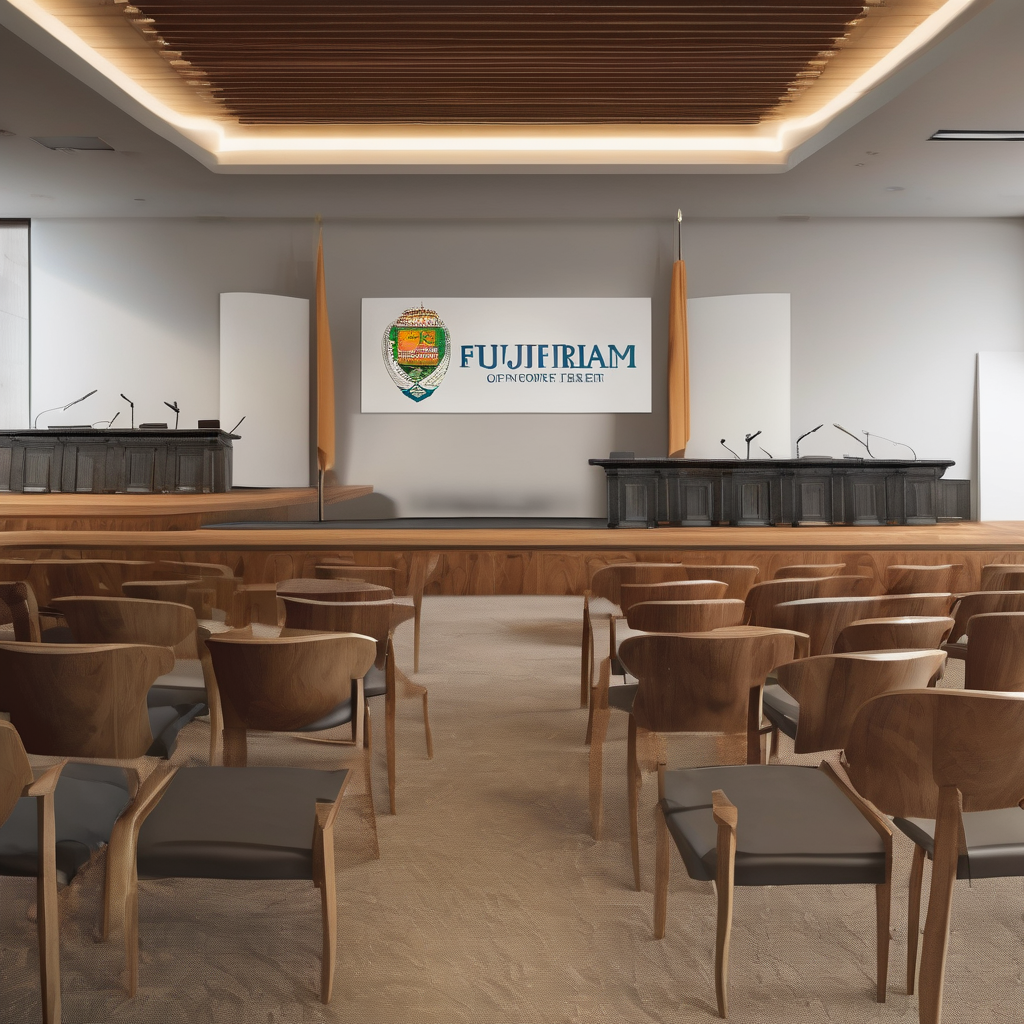
Fiji is receiving praise for its rich linguistic diversity, with recent discussions aimed at enhancing Hindi education in the nation. At the Manak Hindi Conference, Indian High Commissioner Sunit Mehta drew attention to the diverse ways Hindi is spoken across different regions of both India and Fiji, noting that variations in dialect are perfectly natural and evolve over time.
Mehta highlighted that languages, including Hindi, are not static; they grow and change with their geographical and cultural contexts. He emphasized that the differences between Fiji Hindi and Standard Hindi signify a living language that adapts and thrives. The High Commissioner underscored the importance of Manak Hindi (Standard Hindi), stating that it serves as a unified linguistic identity that is vital in education, business, and the arts on the international stage.
“We are here to discuss the evolving needs of Standard Hindi,” Mehta said. “It is unique as it provides an identity for the language and strengthens our global presence.” He noted that Fiji Hindi, commonly spoken in homes and communities, is a significant cultural connector and that Manak Hindi and Fiji Hindi are complementary rather than competitive.
The conversation also included a call to preserve the Hindi language among younger generations. Hindi Parishad Fiji President Kamlesh Arya expressed aspirations to rejuvenate interest in Hindi among youths and emphasized a commitment to discussing and innovating on the language’s future role in society.
The High Commissioner encouraged youth participation through various digital platforms such as blogs, social media, and online storytelling, reinforcing that Hindi represents not just a means of communication but also embodies cultural identity, thoughts, and emotions.
This initiative signifies a hopeful step towards fostering a greater appreciation for linguistic diversity and cultural heritage in Fiji, ensuring that Hindi continues to flourish in the years to come.