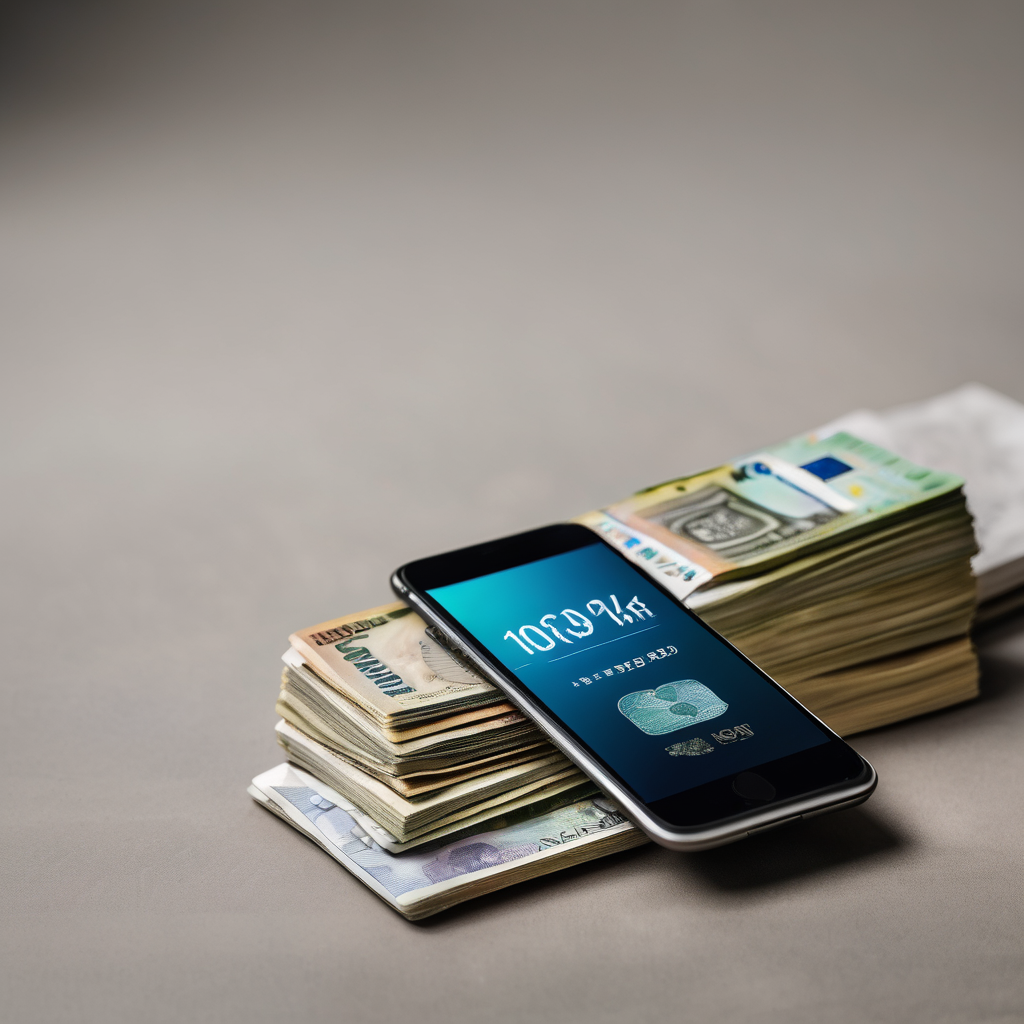
Cash remains a prevalent mode of transaction in Fiji, even as digital payment systems like M-PAiSA and QR codes gain popularity. According to a recent survey conducted by the Reserve Bank of Fiji (RBF), a notable 62 percent of the Fijian population prefers using cash for their everyday expenses. This preference was highlighted by RBF Governor Ariff Ali during the Pacific Fast Payments Systems Workshop, which brought together central bankers and financial stakeholders from the region and beyond.
The event also marked the introduction of Fiji’s new 2025 Polymer note series. Governor Ali took this opportunity to address the enduring preference for cash despite the rapid advancement of internet banking and mobile wallet applications. He explained that the RBF’s investment in new currency notes is essential for several reasons. Primarily, it is crucial to continuously enhance security features to combat counterfeiting, ensuring the integrity of the currency.
Governor Ali further noted that cash transactions account for nearly eight percent of Fiji’s GDP, underlining its significance in the economy. The new polymer notes not only enhance security but also improve durability, making them better suited for everyday use and reducing the long-term costs for the Bank.
As the global landscape shifts toward digital payments, the development of swift payment systems remains vital. “Payments are the bloodstream of any economy,” Governor Ali remarked, likening them to the economy’s plumbing system. Smooth payment flows contribute to business growth and increased confidence, while disruptions can have detrimental effects.
The ongoing valuation of cash alongside the rise of digital systems reflects a balance in the financial ecosystem, showcasing Fiji’s adaptability in meeting the needs of its citizens while embracing technological advancements. As the nation evolves, both cash and digital payments seem poised to coexist, fostering economic resilience and innovation.