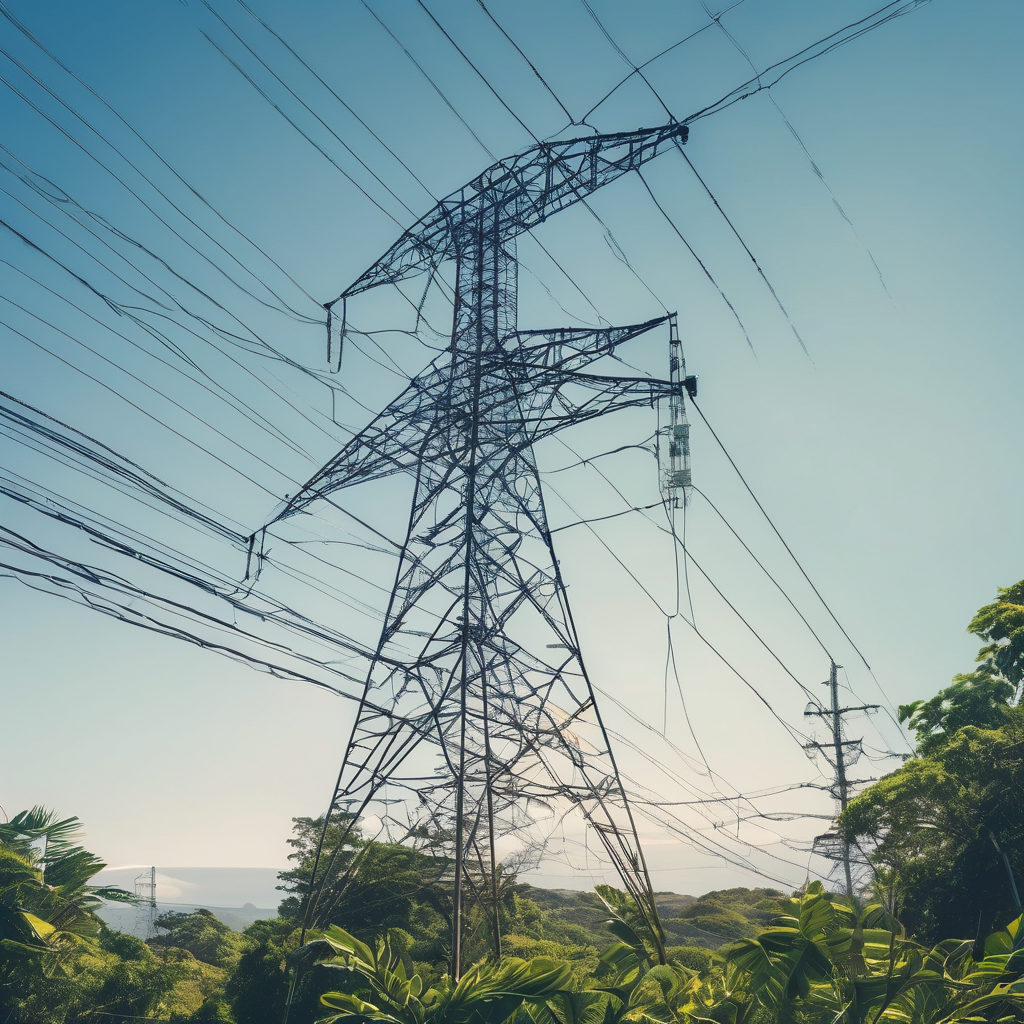
Energy Fiji Limited (EFL) has put forward a proposal for a notable increase in electricity tariffs, seeking a rise of approximately 32 percent over the next four years. This increase is considered essential to facilitate major infrastructure upgrades, enhance capacity, and ensure a dependable power supply throughout the country.
The proposal is grounded in EFL’s non-confidential electricity tariff submission, which is currently undergoing evaluation by the Fijian Competition and Consumer Commission (FCCC). The utility company asserts that the forecasted increase is directly related to its updated 10-year Power Development Plan, slated for completion by 2031. This plan outlines substantial investments in power generation and infrastructure improvements across islands including Viti Levu, Vanua Levu, Taveuni, and Ovalau.
EFL has detailed that their comprehensive developmental strategy aims to bolster all facets of Fiji’s power system, ensuring electricity is delivered reliably and efficiently at sustainable prices. To meet rising energy demand by 2031, the overall investment in the power sector is estimated at about $4.3 billion, with roughly $1.4 billion earmarked specifically for upgrades to the transmission and distribution network.
The utility company highlighted that the financial burden of these network improvements will largely rest on EFL itself, indicating that such investments often lack economic returns. This reality discourages private sector participation within the transmission and distribution segments. On the other hand, Independent Power Producers (IPPs) are expected to invest approximately $2.9 billion in new power generation projects over the next decade. Nevertheless, EFL will continue to play a crucial role by strengthening the national grid to ensure the efficient delivery of electricity to households and businesses.
EFL warned that without the proposed tariff increase, the execution of the Power Development Plan could face significant obstacles, particularly concerning the considerable funds required to enhance power infrastructure.
The FCCC has slated public consultations on the tariff proposal to commence on January 6. This initiative will allow for in-person engagements and online submissions, encouraging community involvement in discussions about the proposed changes and their potential landscape for Fiji’s energy future. EFL aims to foster transparency and collaboration as they navigate the transition towards a more robust power supply system beneficial for all Fijians.