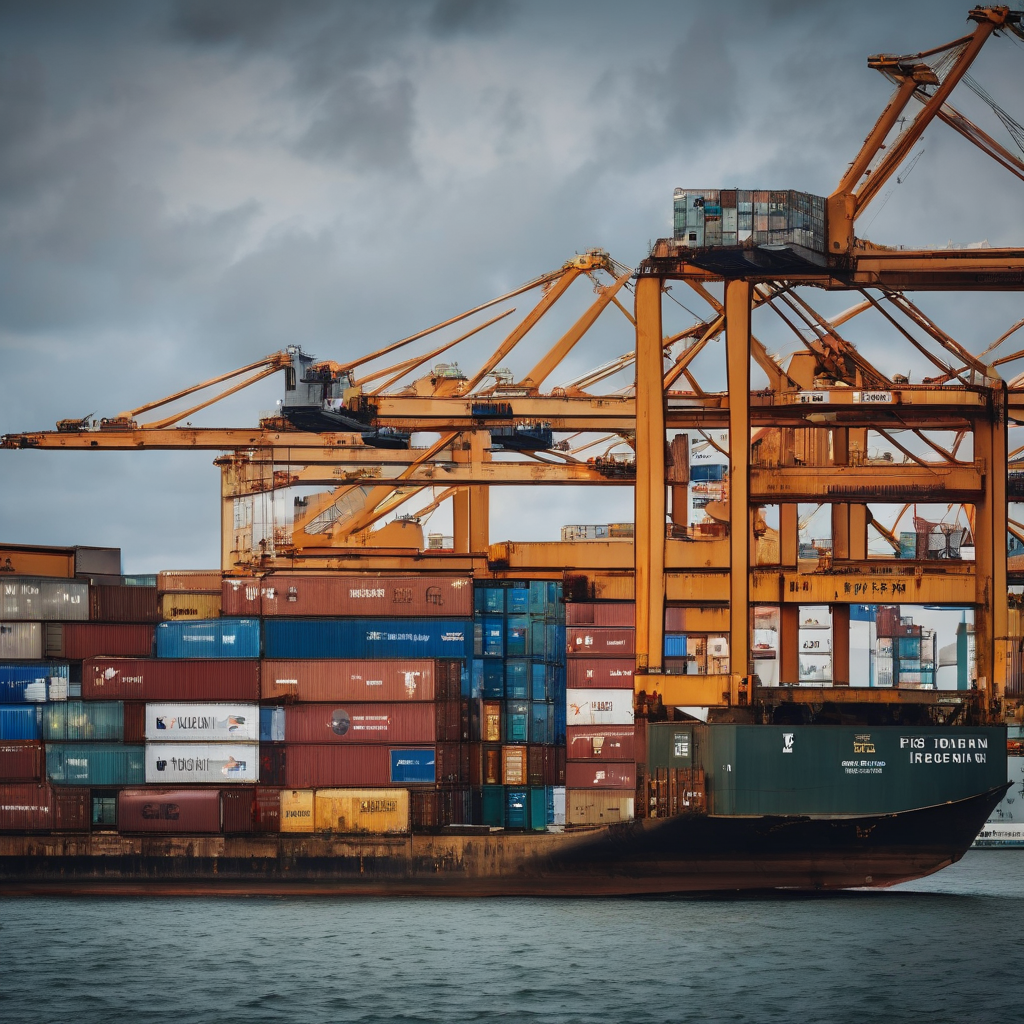
Fiji’s involvement as a conduit in the global narcotics trade was prominently discussed during a public consultation for the Counter Narcotics Bill held on February 13 in Tavualevu Village, Tavua. Community representative Emosi Vueti expressed concerns regarding border security, questioning officials on how illicit substances infiltrate the nation’s borders. “What door are they using to come to Fiji from overseas? Whose duty is it to oversee this?” Vueti emphasized the urgency of addressing these issues, particularly amidst discussions about stricter penalties and prison overcrowding.
Inspector Jemesa Lave pointed out Fiji’s geographical positioning as a significant factor, situated between major drug-producing areas and profitable markets. He mentioned, “There are people who make drugs, these are called drug cartels,” referencing notorious operations like the Colombian and Mexican cartels involved in the production of cocaine and methamphetamine. Lave cited notable arrests involving Ecuadorian nationals in Vatia, Tavua, as indicative of activities from South American drug networks.
Highlighting the concept of supply and demand, the inspector remarked, “Fiji is sitting amid the suppliers and users,” underscoring the complexities of combating drug trafficking. He acknowledged the logistical difficulties in policing the nation’s expansive 1.3 million square kilometer maritime zone, a challenge that complicates efforts to secure the borders.
Consultant Biu Matavou further illustrated the situation, explaining that local facilitators benefit from small portions of drug shipments, which in turn boosts the availability of narcotics in the domestic market. The discussion underscored the pressing need for effective strategies to combat drug trafficking and enhance border security, with local leaders advocating for increased awareness and preventive measures. Such collective community efforts can foster a safer environment and reduce the threat posed by narcotics.