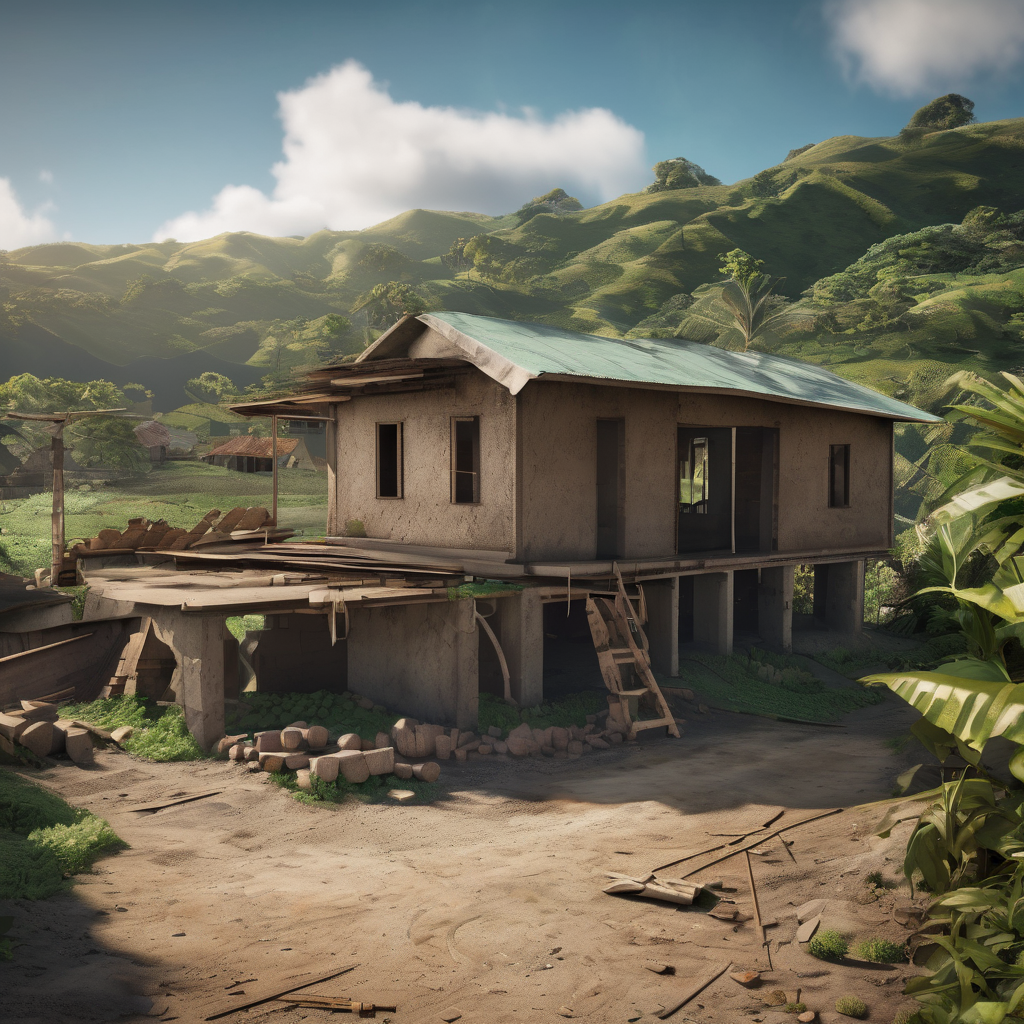
Housing projects across the country are encountering major delays due to a variety of land disputes, issues of overcrowding, and unresolved family matters, as highlighted by Minister Maciu Nalumisa. The challenges are particularly pronounced in densely populated areas where conflicts over land boundaries, access roads, and shrinking lot sizes are common. Minister Nalumisa revealed that many housing initiatives have experienced significant setbacks, with some projects remaining stalled for nearly a decade amidst these conflicts.
Residents have frequently voiced their concerns to the ministry regarding reductions in their land size and the need to share common driveways with neighbors. In response to these challenges, the ministry prioritizes open dialogue to ensure that residents are satisfied with the outcomes of housing projects. “We do not want to complete a project only for people to later complain that it was not done properly or that they were not consulted,” Minister Nalumisa emphasized, underlining the necessity of early communication throughout the development process.
The minister also noted that some disputes can be particularly complex and may surface later during development, creating further hurdles in project timelines and execution. He encouraged community members in areas designated for new projects to raise their concerns as early as possible to help mitigate additional delays.
Additional complications arise from family disputes, such as cases where siblings live together or landowners are residing abroad. “These are sensitive matters that must be addressed as part of the development process,” he remarked, indicating that developments on occupied land pose significant challenges for contractors and planners tasked with developing solutions that consider the needs of all existing residents.
In a more positive development, the ministry is moving forward with plans to establish 44 iTaukei land sites nationwide, aimed at providing stable housing for families currently residing in informal settlements. Minister Nalumisa reported that 48 sites for informal settlement development have been identified, with particular attention being given to the ongoing upgrade of the Vunika site in the North, which is projected to benefit 110 households and create 141 planned residential lots.
“This development will not only focus on constructing homes but also on fostering safer, more organized communities,” Minister Nalumisa asserted. The overarching vision is to create environments that promote not just housing, but enhanced safety, better accessibility, and improved community interaction. This proactive approach taken by the ministry reflects a strong commitment to addressing housing challenges while encouraging the growth of cohesive and sustainable communities.