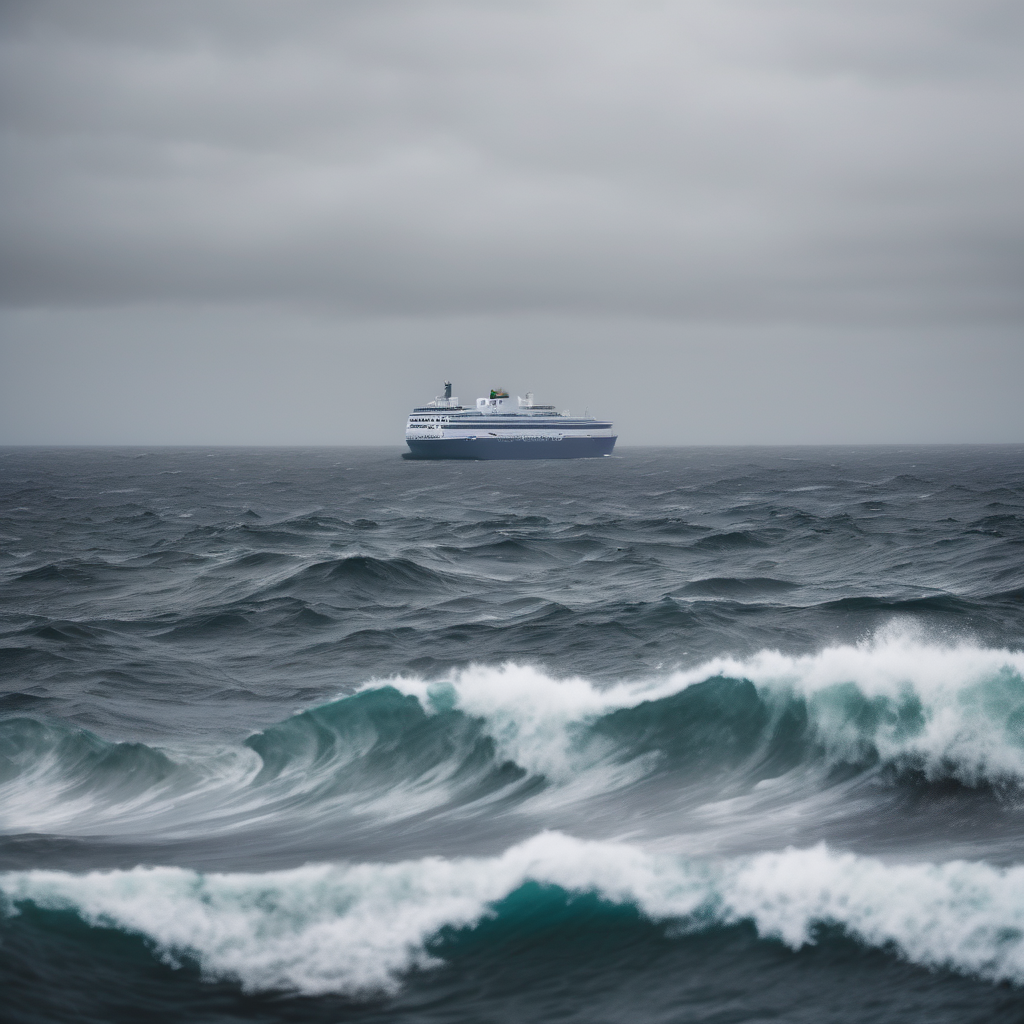
Concerns surrounding passenger loading practices in adverse weather have come to the forefront following a maritime incident involving a fibreglass vessel that was transporting passengers to the Lomaiviti Princess XII last week. The Maritime Safety Authority of Fiji (MSAF) is currently conducting a review not only of the fibreglass boat, which reportedly capsized, but also the loading protocols linked to the Lomaiviti Princess XII during rough sea conditions.
The troubling event occurred on Thursday, January 15, when the smaller boat was ferrying passengers to the inter-island vessel amidst challenging weather. While specific details regarding the incident are limited, the MSAF has acknowledged serious concerns that loading activities may have taken place despite unfavorable weather conditions present at the time.
Maritime safety experts consistently underscore the risks involved in transferring passengers from smaller vessels to larger ones, particularly in open waters and adverse weather conditions. Rough seas can compromise the stability of vessels, pose a threat to smaller crafts, and significantly increase the likelihood of capsizing.
The MSAF has issued a strong reminder that loading operations and voyages should always be halted during unsafe weather advisories. The authority stressed that decisions made at the loading point are critical in ensuring the safety of all passengers and preventing potentially serious incidents.
“Strict adherence to official weather advisories is critical, as proceeding in rough sea conditions places lives at serious risk,” declared the MSAF.
The ongoing investigation aims to assess whether maritime safety regulations were properly followed, examining factors such as the seaworthiness of the vessels, adherence to passenger limits, availability of safety equipment, and the decision-making processes that allowed loading to continue in adverse conditions.
This incident poignantly highlights the vital need for prioritizing safety protocols in marine transport, especially during adverse weather. It serves as a reminder of the importance of continuous vigilance and adherence to maritime regulations to ensure the safety and wellbeing of passengers. By fostering a culture of safety and compliance, the maritime community can work towards preventing similar incidents in the future.