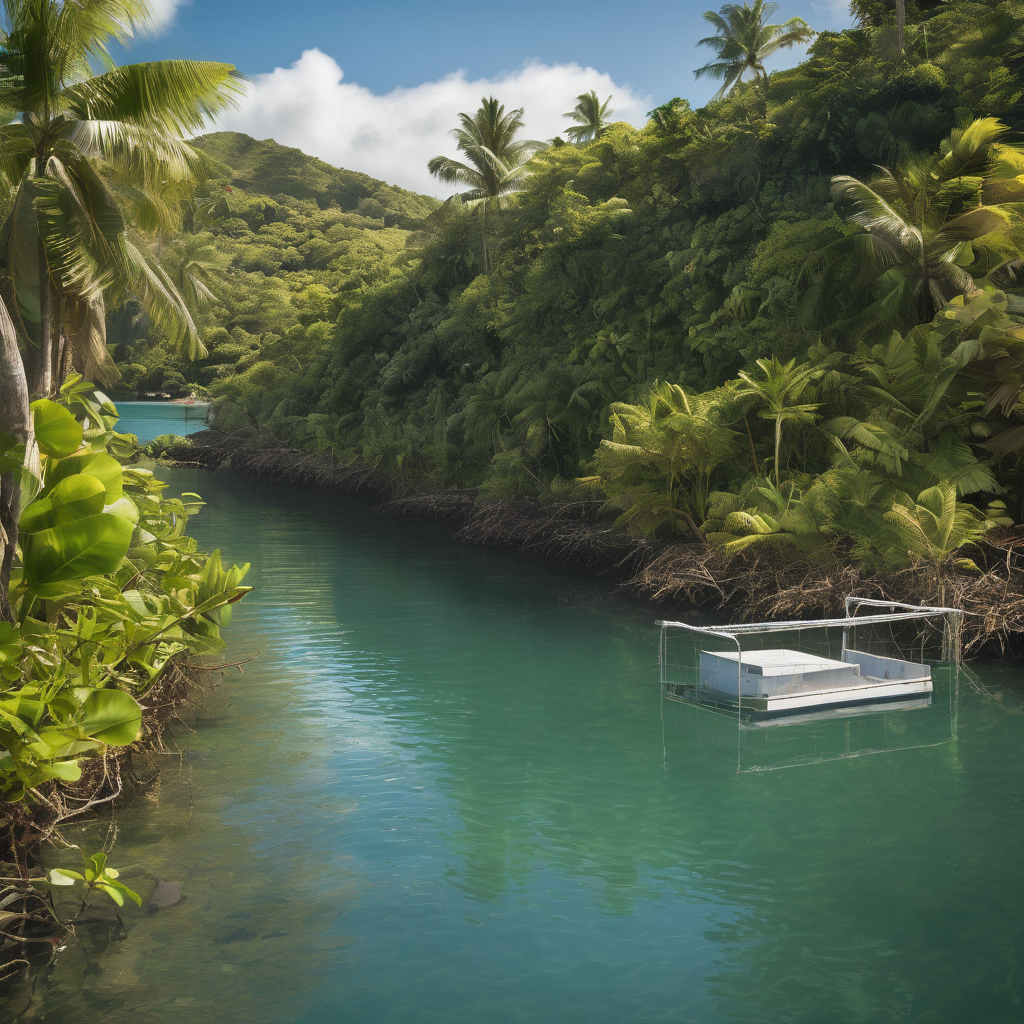
Eight new trash booms are scheduled for installation in critical waterways by the beginning of next month, targeting areas highly susceptible to litter. This initiative is part of a comprehensive effort to tackle marine waste, particularly focusing on urban creeks, rivers, and drainage systems that lead into coastal waters.
The Government has formally enhanced its national strategy against marine litter by entering a partnership with Trash Boom Pacific through a memorandum of understanding. This collaboration will provide vital technical support, conduct site assessments, and offer operational guidance for the upcoming installations. The rollout, which is executed in conjunction with litter hotspot mapping and environmental impact evaluations, ensures that each booming location is selected based on specific local hydrological and environmental considerations.
Looking ahead, additional litter hotspots have been identified for potential installation in 2026 as part of a phased expansion plan based on evidence and effectiveness. Trash booms act as vital first-line infrastructure, capturing floating debris and allowing for the proper disposal and recycling of the collected materials.
This initiative builds on prior successful deployments of trash booms, such as those at Nabukalou Creek in Suva and near the Bailey Bridge at Laucala Beach. The valuable insights gained from these earlier sites are being used to improve the placement, maintenance, and integration of the boom systems with existing waste management strategies.
Recently, a partnership between Coca-Cola Europacific Partners Fiji (CCEP Fiji), Coca-Cola ASEAN South Pacific, and Trash Boom Pacific resulted in the installation of a trash boom barrier along Suva’s Samabula River. Funded by Coca-Cola Fiji, this effort includes the fabrication, installation, and ongoing maintenance of the barrier, with Trash Boom Pacific managing day-to-day operations and waste collection.
This project aligns closely with CCEP Fiji’s Mission Pacific program, which has successfully facilitated the recovery of millions of plastic bottles and cans for recycling since its inception in 1999, showcasing the company’s commitment to responsible packaging practices.
Community engagement plays a crucial role in this expanded initiative, complementing the efforts of the Ministry of Environment and Climate Change under Fiji’s national frameworks for waste management, marine protection, and pollution control. This integrated approach not only aims to resolve the immediate challenges posed by litter but also encourages a sense of collective responsibility among communities to safeguard the marine environment, fostering a sustainable future.