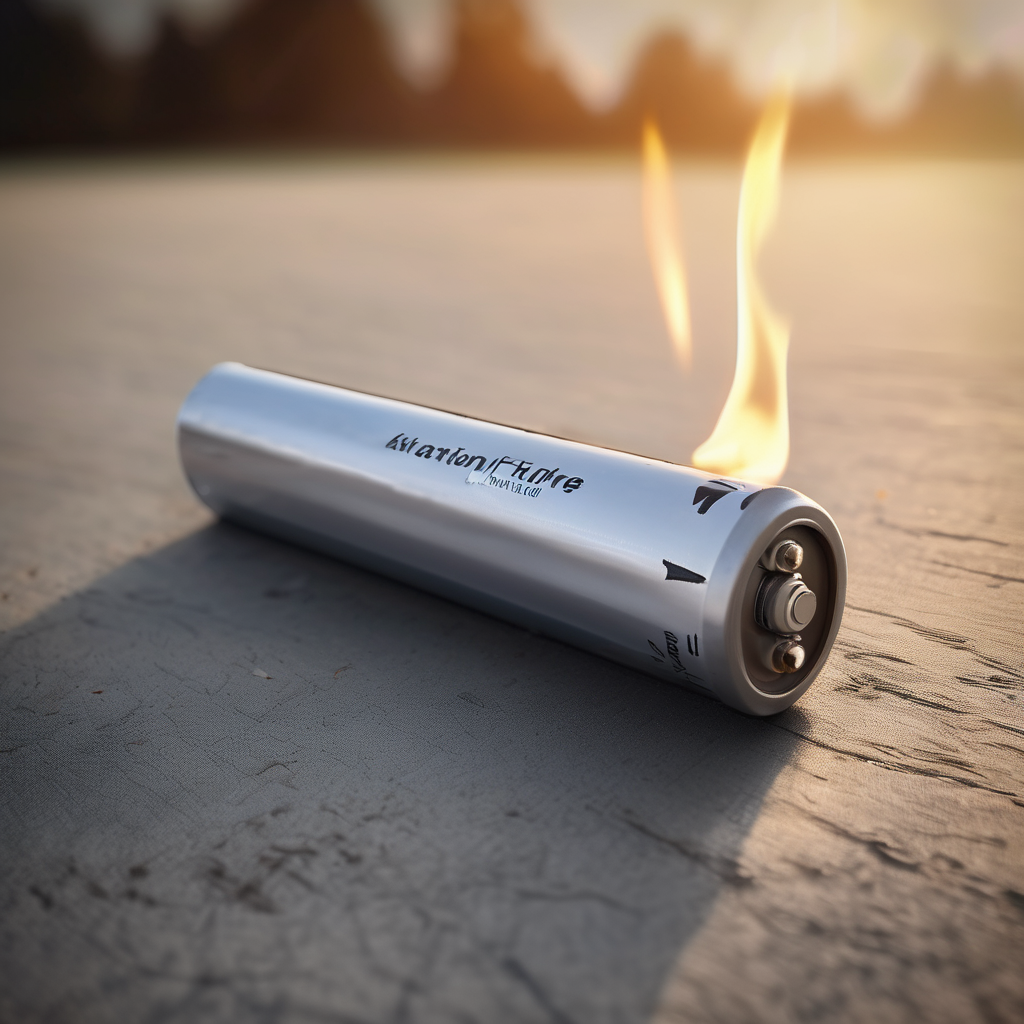
Passengers carrying lithium-ion batteries pose significant fire risks during flights, a concern underscored by Fiji Airways senior flight captain Josua Cavalevu during his address to the committee of the proposed Civil Aviation Bill 2026 in Nadi. Cavalevu highlighted his apprehension regarding potential fires igniting in the cargo compartment, particularly in relation to lithium-ion batteries and portable charging devices.
Cavalevu called for stricter regulations to mitigate these risks, stating, “We are taking a lot of action within the airline to try and stamp out the carriage of these things.” Fiji Airways has introduced protocols, such as ensuring bags are transferred from the cabin to the cargo area only when necessary, keeping lithium-ion batteries in the cabin for better monitoring.
He pointed out the inadequacy of aircraft fire suppression systems against lithium-ion battery fires, which amplifies the necessity for regulatory changes. Cavalevu proposed that Fiji adopt enhanced screening measures, similar to those in New Zealand, which enable the confiscation of restricted items, thereby boosting safety standards.
He shared a concerning personal incident where he opted to off-load a lithium-ion battery to avert risk, illustrating his commitment to prioritizing passenger safety through appropriate regulations.
Responding to these concerns, Rigamoto Aisake, acting CEO of the Civil Aviation Authority of Fiji (CAAF), confirmed that current screening procedures for passengers include a series of questions to ascertain what items they carry. He maintained that these screenings constitute the first line of defense against dangerous goods.
With flight safety remaining a critical focus, the collaboration between airline operators and regulatory bodies is essential in tackling the challenges presented by lithium-ion batteries in air travel. This proactive strategy may lead to further safety enhancements, ensuring a secure travel environment for all passengers.