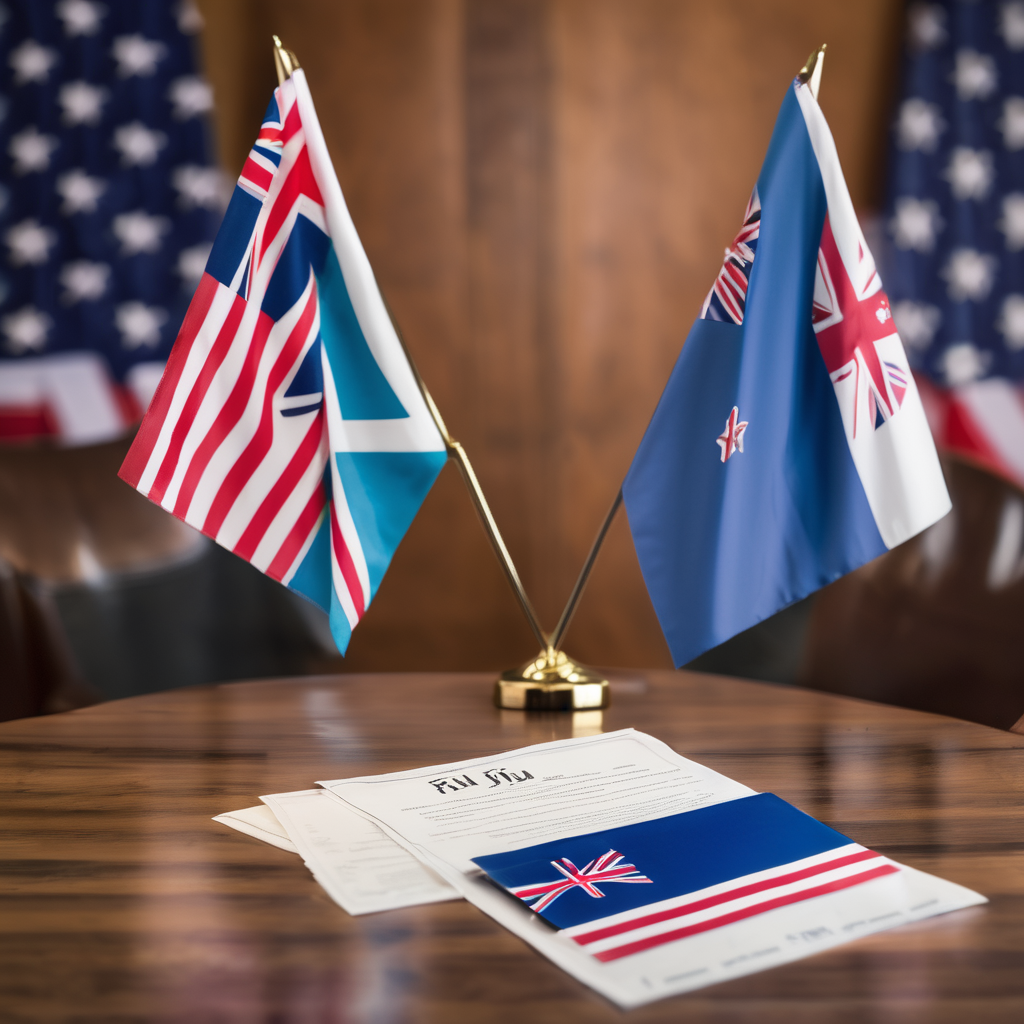
Fiji is facing significant challenges as the United States threatens to cut millions of dollars in development aid over allegations of human trafficking associated with the Grace Road Church, a South Korean sect that has established a substantial presence in the island nation. Grace Road, which has invested in supermarkets, restaurants, and agricultural projects since its arrival in Fiji in 2014, was initially created as a commune for its members seeking refuge from apocalyptic fears, but serious allegations against its leadership have surfaced.
Shin Ok-ju, the leader of Grace Road, along with three other members, was arrested in 2018 at Seoul’s international airport on human trafficking charges concerning activities in both Fiji and the U.S. Shin has since been convicted of various offenses, including assault and child abuse. Despite these issues, Grace Road has become an integral part of Fiji’s economy, creating numerous jobs and fostering new businesses, which some Fijians regard as a beacon of economic vitality.
However, reports of abuse within the group paint a troubling picture. The latest Trafficking in Persons (TIP) report from the U.S. State Department indicates that around 300 members of Grace Road in Fiji have experienced forced labor, physical violence, and the confiscation of passports—characteristics commonly associated with human trafficking. Testimonies from former members, including U.S. citizens who left the organization, reveal alarming accounts of brutal treatment and working conditions akin to slavery, which are now under investigation by Fijian authorities.
In response to the U.S. concerns, Fijian Prime Minister Sitiveni Rabuka has established an inter-ministerial taskforce and initiated thorough investigations into the allegations. There have been meetings between Fijian agencies and U.S. officials to address these serious issues. Despite these efforts, Grace Road continues to expand its footprint in Fiji, recently announcing plans for a new hotel in the country’s Western Division.
Critics argue that the group has historically been shielded from scrutiny due to political connections established during the prior administration of former Prime Minister Frank Bainimarama. With U.S. support tied to Fiji’s action against Grace Road, the stakes are high. Should the U.S. determine that Fiji is lenient towards the group, the country risks being downgraded to Tier 3 status, which could result in a loss of approximately USD 6.5 million in annual aid and influence political and financial support from organizations like the World Bank and the IMF.
Fiji’s current Tier 2 status reflects a moderate level of compliance with the Trafficking Victims Protection Act. A potential downgrade could mean severe limitations on non-humanitarian aid. In 2024, Fiji received nearly USD 16 million in U.S. aid for governance, education, health, and military support, highlighting the crucial role of this funding in the nation’s development.
As the Fijian government approaches a March deadline for decisive action, it faces a critical dilemma: balancing the economic advantages offered by Grace Road against a commitment to uphold human rights and the rule of law. The situation serves as a compelling illustration of the complex trade-offs inherent in foreign investment and development. Grace Road has consistently denied any wrongdoing, adding another layer of complexity to the unfolding situation.