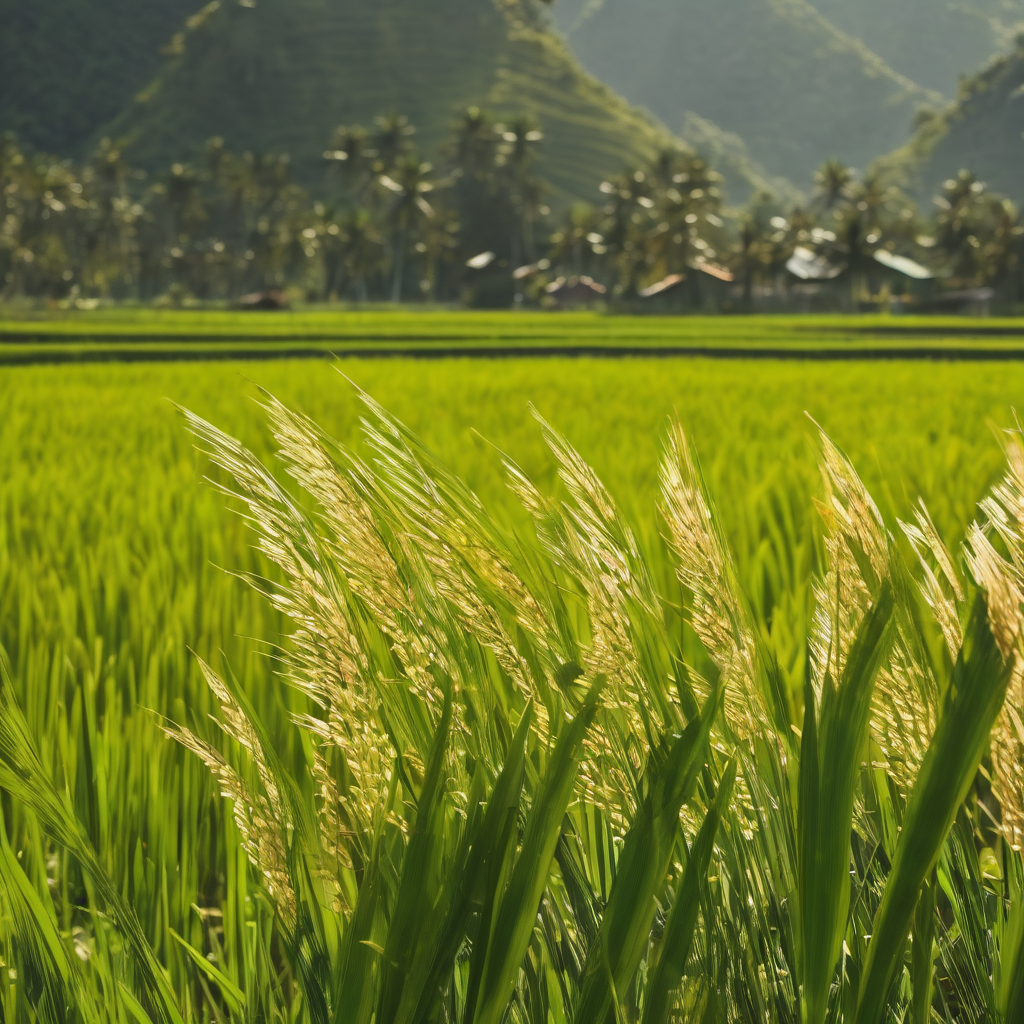
Fiji is poised for greater rice self-sufficiency, thanks to favorable agricultural conditions, including rich soils, an ideal climate, and advancements in crop varieties supported by robust research efforts. According to Minister for Agriculture Tomasi Tunabuna, a recent survey has identified 1,699 households across the nation actively participating in rice cultivation.
Tunabuna pointed out that the Northern Division is particularly promising for rice production, with its fertile lands and conducive weather fostering opportunities for expansion and improved livelihoods for local residents. He believes that reforming the rice industry is critical to enhancing overall efficiency and output.
By increasing local rice production, Fiji can significantly support rural communities, lessen its dependence on imports, and drive economic growth for the nation. However, the agriculture sector faces numerous global challenges, including climate change, rising production costs, issues with water management, limited access to modern farming technology, and reliance on outdated farming practices.
In 2024, Fiji produced a total of 8,598 metric tonnes of rice, with the Northern Division accounting for 5,014.1 metric tonnes, making up 58% of the national yield. This production occurred across 1,301.6 hectares, tended by 969 farmers in the division. Despite these efforts, Fiji imported $86.6 million worth of rice in the same year, reflecting a 5.2% increase from 2023.
The future of rice farming in Fiji remains bright, as continued investment and reform could help overcome existing challenges, bolster local farmers, and strengthen the nation’s agricultural landscape.