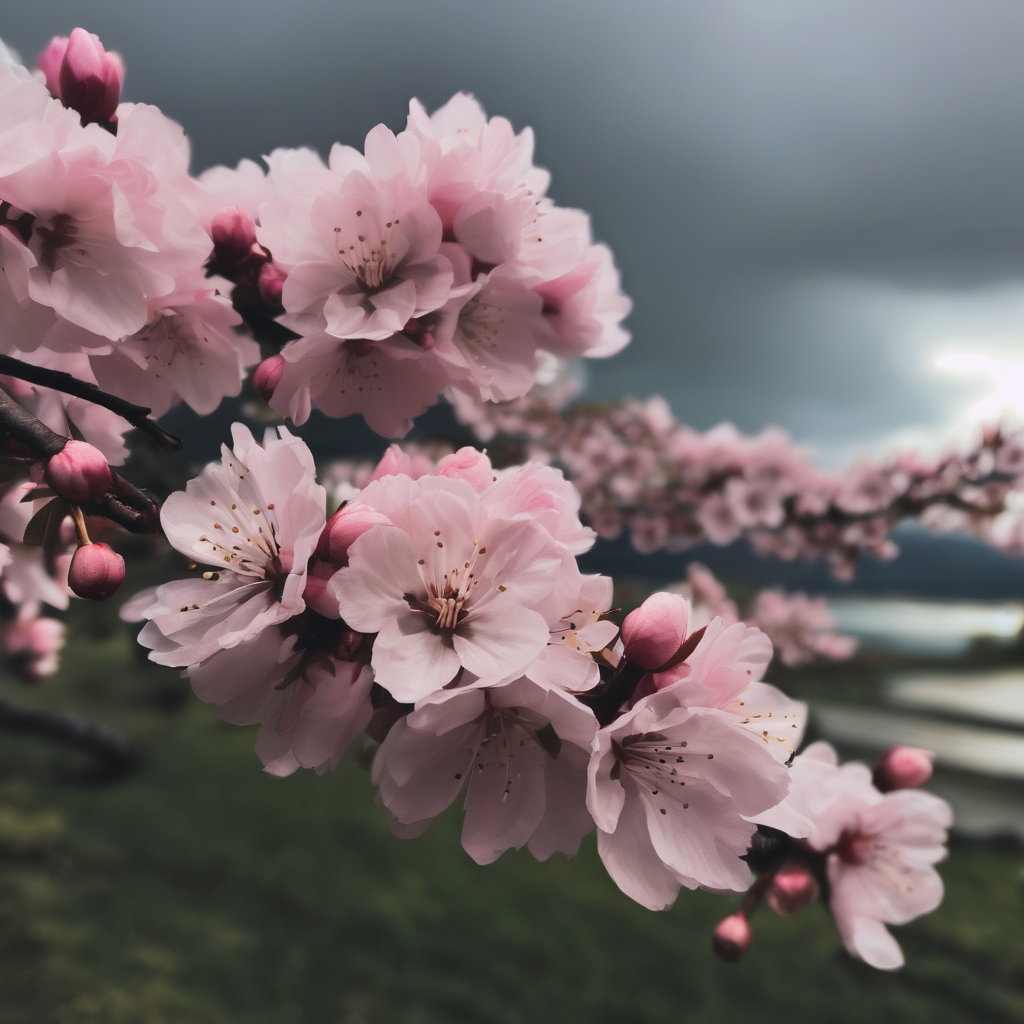
Oklahoma is currently experiencing what meteorologists refer to as a “false spring,” characterized by unseasonably warm temperatures coupled with the potential for stormy weather. As the region basks in highs reaching the 70s and even close to 80 degrees in Oklahoma City over the upcoming week, it becomes evident that these temperatures significantly exceed the typical seasonal average, which hovers in the high 50s according to the National Weather Service.
However, this brief warm spell may not be here to stay. The extended forecast indicates a series of weather systems moving through the area, leading to fluctuations in daily temperatures over the coming days. As reported, residents should expect a seesaw effect, where highs will alternate between warmer-than-average readings and more seasonal temperatures.
“False spring” is a term used to describe a period of unexpected warmth that can mislead residents into believing that winter’s chill has completely passed. Unfortunately, after this brief period of milder weather, temperatures often revert to more typical seasonal levels, making the warmth short-lived.
As Oklahomans enjoy the mild weather, they should also be prepared for consecutive days of severe storms that are predicted for the near future, a consequence of rising temperatures and moisture. The daily temperature forecast shows a range of highs: 69 degrees on Thursday, climbing to 78 on Friday before dropping to 58 on Saturday, then fluctuating between the mid to high 60s and low 70s through the following week.
The warmer temperatures can adversely affect local flora as well. Early blooms triggered by the warmth may suffer if temperatures plummet suddenly. The Urban Ecology Center notes that while plants can adapt to gradual temperature changes, quick drops pose a greater risk, particularly the threat of freezing or frost damage. Fortunately, during this current weather system, overnight temperatures are not expected to dip below freezing, providing some relief for budding plants.
Meteorologists warn that the situation is compounded by a polar vortex, which is forecasted to bring colder air down from the north, causing even more noticeable temperature swings. While Oklahoma City may not experience the severe colds that other states could face, the shifts in temperature from nearly 80 degrees to below 60 degrees in just days highlight the volatility of spring weather patterns across the region.