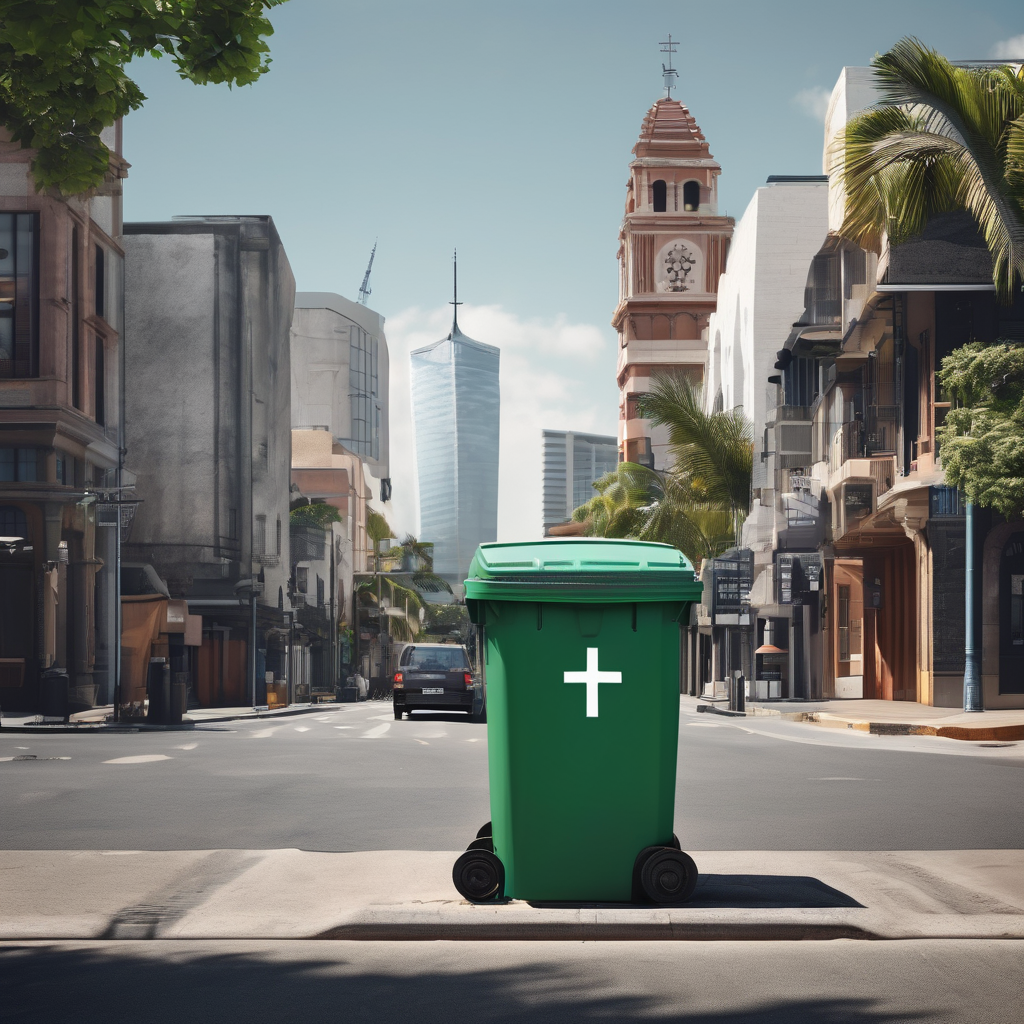
Fiji is making significant strides in its waste management efforts by incorporating faith-based organizations into its strategy, as demonstrated by a pilot recycling initiative at a parish in Suva. This project is led by the Pacific Recycling Foundation in collaboration with the Suva City Council and the Catholic Church, aiming to address the pressing issue of plastic waste.
The initiative seeks to foster community responsibility and encourage behavioral change regarding waste disposal. Archbishop Peter Loy Chong has underscored the importance of recycling, stating that it should be regarded as a moral imperative. He emphasized the connection between environmental neglect and its detrimental effects on people and future generations. “Caring for the environment, caring for our own lives, it’s something that, as the church teaches, is a moral imperative, something that we should do,” said Archbishop Chong.
Tevita Boseiwaqa, Acting Chief Executive of the Suva City Council, revealed the financial burden of waste management, noting that the city spends millions annually—over $3 million each year, with figures potentially reaching $6 million when factoring in additional waste management costs. This investment underscores the importance of maintaining a clean and healthy environment, which directly influences the quality of life for residents.
Amitesh Deo, Chief Executive of the Pacific Recycling Foundation, highlighted the influential role that faith-based organizations can play in shifting public attitudes towards recycling. He remarked, “We should remove gimmicks around recycling. We should understand that recycling is, as the Archbishop said, a moral responsibility, but it’s also a human rights issue. And our environmental rights are actually our human right and it is then our responsibility to protect that.”
In addition, the Pacific Ocean Litter Project represents a long-term regional initiative aimed at tackling marine debris and environmental issues, funded by the Australian Government and led by the Secretariat of the Pacific Regional Environment Programme.
This collaboration illustrates the potential for community-driven efforts to create lasting change in environmental practices and instill a sense of stewardship for the planet among citizens. The partnership between religious organizations and municipal authorities reflects a growing recognition that addressing environmental issues is not merely a logistical challenge but also a collective moral and social responsibility.