European Union ambassadors reached a consensus on Sunday to step up measures aimed at persuading U.S. President Donald Trump to reconsider his plans to impose tariffs on European nations. Diplomats noted that they are also preparing retaliatory actions should the tariffs be enacted.
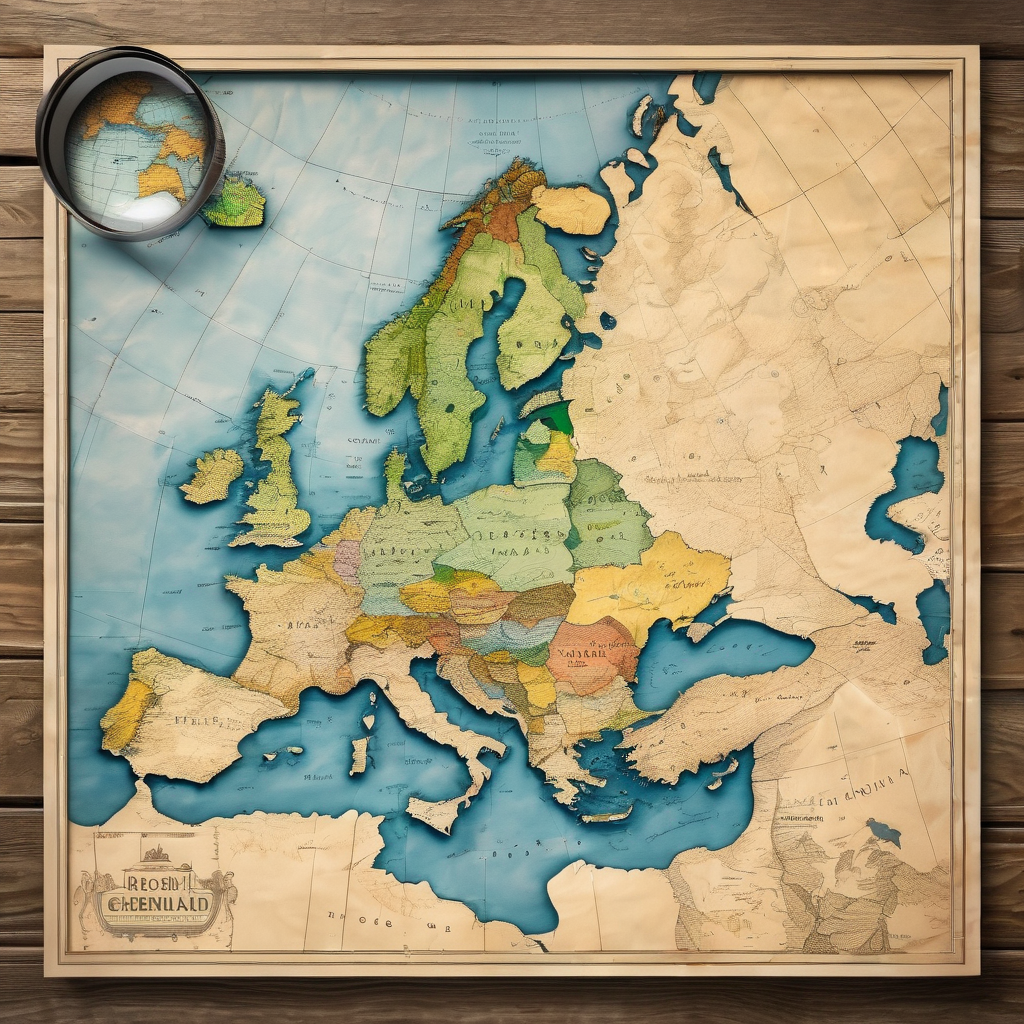
On Saturday, Trump announced his intention to implement escalating tariffs beginning February 1, targeting EU member states including Denmark, Sweden, France, Germany, the Netherlands, Finland, as well as Britain and Norway. This move is reportedly linked to a demand for the U.S. to be allowed to purchase Greenland, which EU leaders have condemned as an act of coercion.
To address the situation, EU leaders are set to convene at an emergency summit in Brussels on Thursday to explore available options. One potential countermeasure includes a package of tariffs on $107.7 billion worth of U.S. imports that could go into effect on February 6 after an initial six-month suspension. Another option being considered is the use of the “Anti-Coercion Instrument” (ACI), which could restrict U.S. access to public tenders, investments, or banking activities, particularly impacting sectors where the U.S. has a trade surplus with the EU.
As discussions unfold, it appears that the tariff package is garnering wider support than the ACI, which remains less favored, according to an EU source.
European Council President Antonio Costa highlighted the EU’s strong unity in supporting Denmark and Greenland during this period of dispute. He emphasized that the U.S. is more complex than its president, referencing the checks and balances inherent in American governance.
The EU aims to use the World Economic Forum in Davos, where Trump is scheduled to speak for the first time in six years, as a platform for dialogue. An EU diplomat noted that all options remain open for discussion with U.S. leaders.
The eight countries targeted by the tariffs have been involved in sending military personnel to Greenland amid rising tensions regarding the future of the territory. In a joint statement, EU nations expressed concerns that tariff threats jeopardize transatlantic relations and could trigger a detrimental spiral in diplomatic ties. They reaffirmed their commitment to dialogue grounded in sovereignty and territorial rights.
Danish Prime Minister Mette Frederiksen expressed optimism regarding the strong support from Europe, declaring, “Europe will not be blackmailed.” The announcement of these tariff threats has unsettled global markets, resulting in a decline of the euro and sterling against the dollar, with potential for renewed volatility on the horizon.