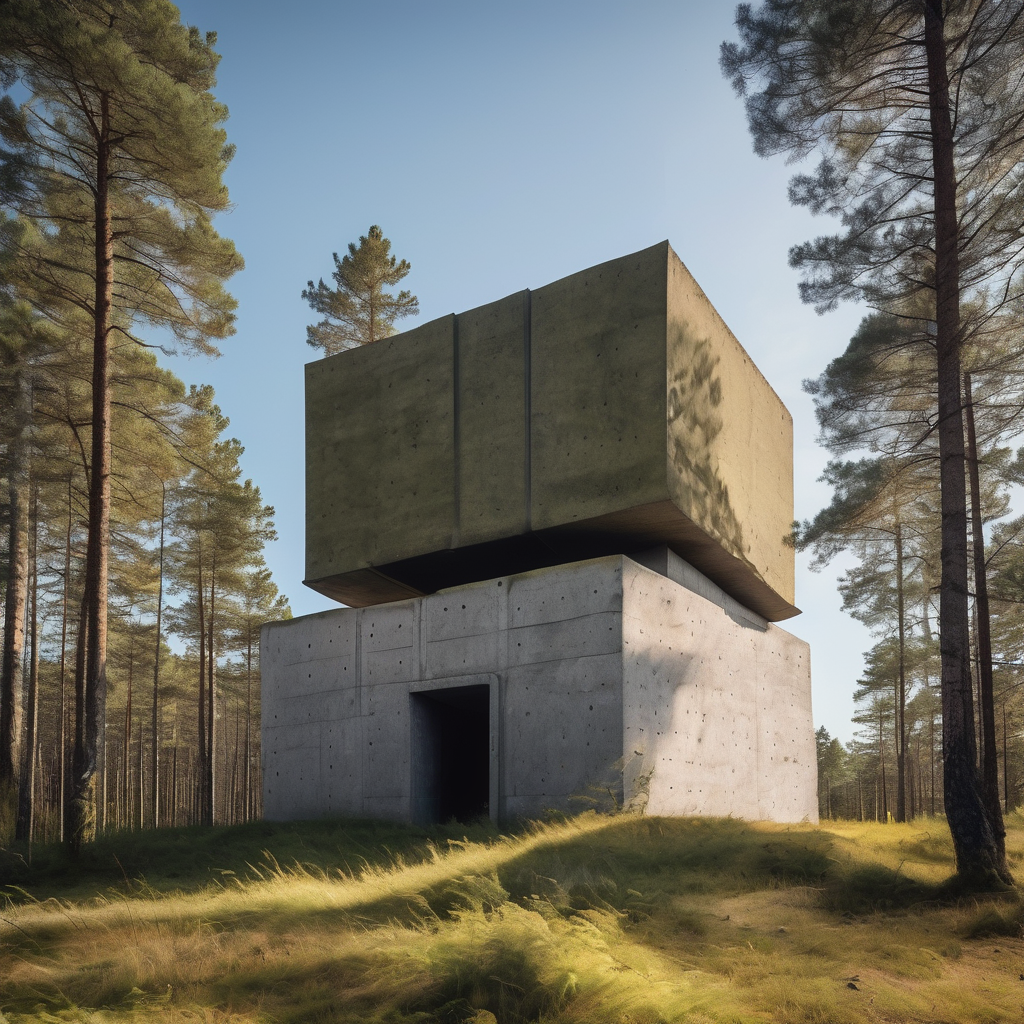
Estonia is taking significant steps to strengthen its border defenses by launching an ambitious project to construct 600 modular bunkers. As tensions in the region rise, particularly due to the influence of Russia and Belarus, this initiative significantly enhances national and regional security. The plan aims to ensure quick deployment and resilience against various potential threats, marking a crucial evolution in Estonia’s military strategy.
The Estonian government perceives the need for a robust military infrastructure to address growing concerns about regional stability. Collaborating with local and regional partners, Estonia is set to expedite the construction of these innovative, quickly assembled bunkers, which are engineered to withstand diverse attack scenarios while offering essential shelter for defense forces.
The rationale behind this modular bunker initiative reflects an understanding of modern warfare’s demands. Traditional fortifications often cannot accommodate the rapid mobilization and adaptability required today. The modular design allows these bunkers to be configured in various strategic ways, easily transported, assembled, and expanded according to real-time requirements. This design philosophy supports the notion of “build, relocate, and reinforce,” enhancing operational agility during volatile situations.
Details regarding the public procurement process were made available by the Estonia Defense Investment Agency, which announced on February 19 that it is actively sourcing around 600 bunker units for installation across critical strategic locations. These bunkers will vary in size but will adhere to rigorous safety, comfort, and functionality standards. They will primarily be constructed from reinforced concrete with specialized coatings to endure harsh weather and potential threats.
The deployment focuses on essential corridor areas bordering Russia and Belarus, crucial transit routes, and military bases, ensuring an effective defense network. The procurement process is designed to be transparent and competitive, allowing the selection of the best solutions while ensuring timely delivery through phased schedules, with initial units currently in testing phases.
The overarching objectives of Estonia’s defense initiative encompass several key areas. First, it aims to enhance defense readiness, enabling rapid deployment of shelters that offer tactical advantages during crises. Additionally, it seeks to bolster regional stability, acting as a deterrent to potential aggressors and showcasing Estonia’s preparedness. The modular units promise cost-effectiveness due to their reusability and adaptability, along with providing vital protection for personnel.
As the first of these bunkers are tested in southern and eastern regions, initial feedback suggests high durability and efficient assembly. With a financial commitment of around 60 million Euros, Estonia is demonstrating its dedication to a modernized defense strategy that aligns with NATO standards to ensure interoperability and rapid response capabilities.
However, this ambitious project is not without challenges, including land acquisition and logistical hurdles, but the strategic necessity of establishing a flexible and modern defense posture is seen as essential for enhancing Estonia’s national security and regional stability for years to come. The collaboration with neighboring Baltic states can further fortify this initiative, strengthening the collective response against any external threats, thus projecting a hopeful outlook for regional security dynamics.