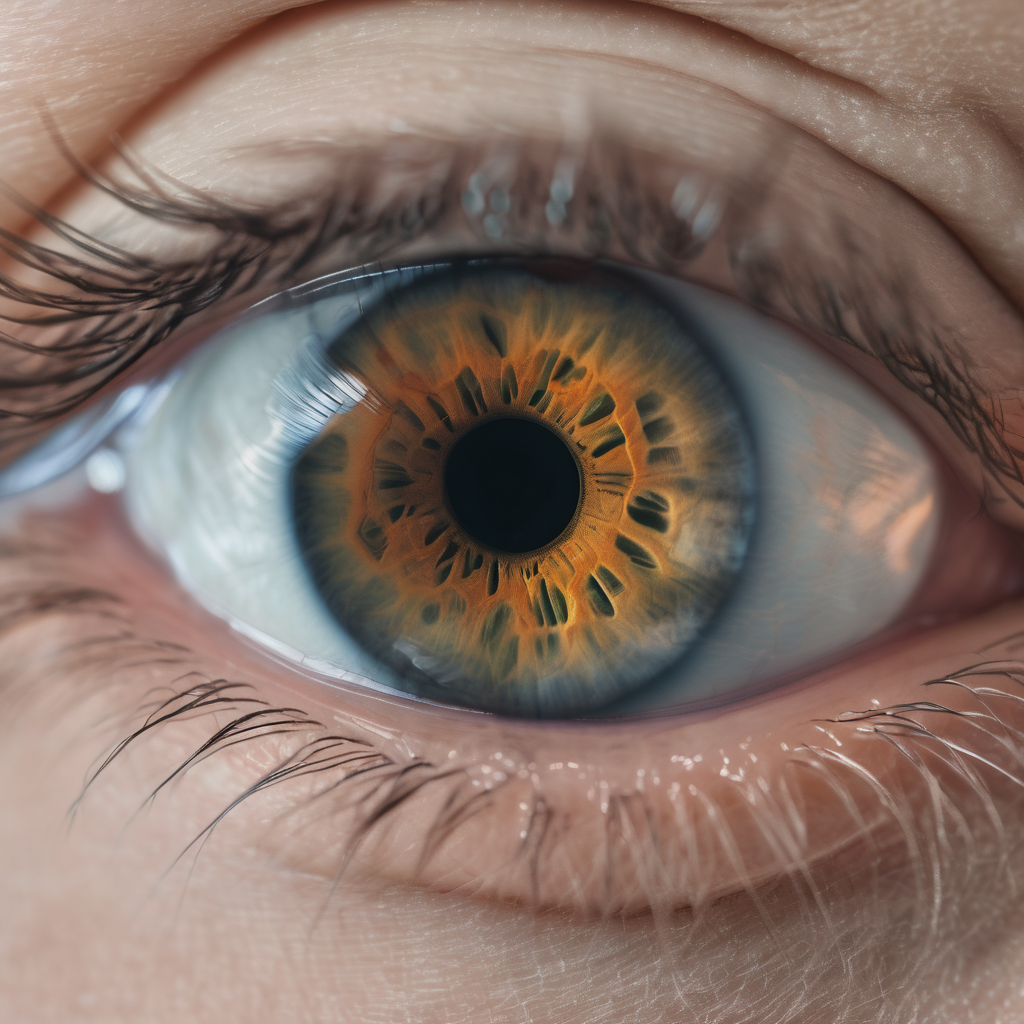
Maintaining optimal eye health is essential, and one of the best ways to achieve this is by undergoing a comprehensive dilated eye exam. During this examination, eye care professionals use drops to widen the pupils, facilitating a thorough evaluation for potential vision issues and eye diseases.
Several prevalent eye disorders pose risks for vision loss, including cataracts, which result in clouded lenses; diabetic retinopathy, which damages the retina’s blood vessels; glaucoma, associated with optic nerve damage due to increased eye pressure; and age-related macular degeneration, which affects central vision. Refractive errors are also common and may often be corrected with glasses or laser surgery. Research indicates that around 11 million Americans aged 12 and older could benefit from corrective lenses or surgery to improve their vision.
Regular dilated eye exams are particularly important for individuals aged 60 and older, those who are African American and over 40, or anyone with a family history of glaucoma. Those with conditions like diabetes or high blood pressure should consult their doctor about a suitable eye exam schedule, with annual visits generally recommended for these individuals. While older adults face a higher risk of vision issues, preschool children also require vision checks. The US Preventive Services Task Force advises that children should have at least one eye examination between the ages of 3 and 5.
To protect your vision, embracing proactive measures is vital. Regular comprehensive eye exams are a cornerstone of eye health maintenance. Understanding your family’s eye health history is important, as many conditions have a hereditary component. A diet rich in dark leafy greens, such as spinach and kale, as well as omega-3 fatty fish like salmon, can also help enhance eye health. Other protective measures include maintaining a healthy weight, wearing appropriate eyewear during sports or home activities, avoiding smoking, utilizing sunglasses that block UVA and UVB rays, ensuring proper hygiene when using contact lenses, and following safety protocols at work.
Additionally, taking care of your eyes can have a positive effect on your overall health. Certain conditions, including diabetes and hypertension, may first show symptoms through changes in eye health. A comprehensive eye examination can reveal important insights into other underlying health issues that may need addressing.
Particularly for individuals with diabetes, vigilance regarding eye health is crucial. Symptoms such as decreased vision, eye pain, unusual drainage or redness, double vision, floaters, halos around lights, or flashes of light should prompt prompt consultation with an eye care professional. By remaining proactive about eye health, individuals can significantly mitigate the risk of vision loss and look forward to a healthier future.