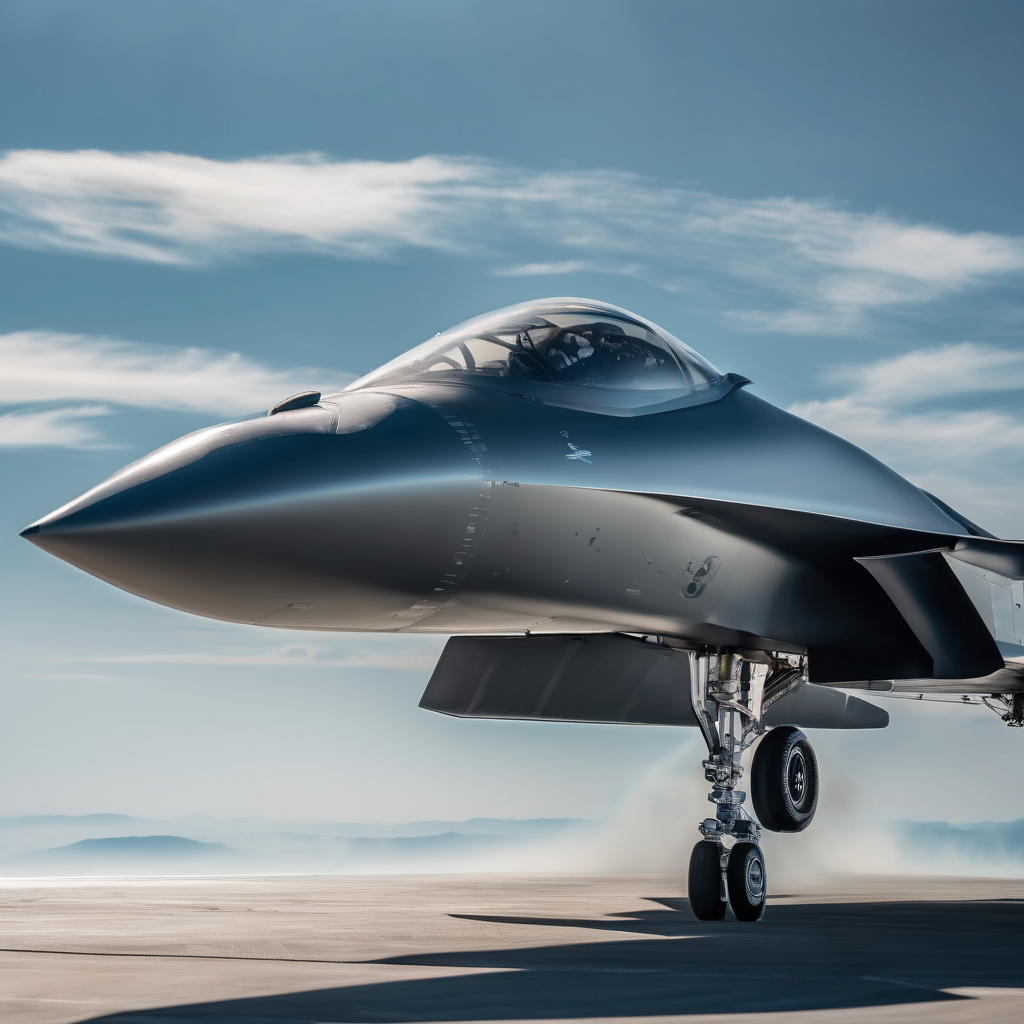
Attendees at the Singapore Airshow, which runs from February 4 to February 8, 2026, are emphasizing the importance of sovereignty in defense procurement, spurred by escalating geopolitical tensions. Defense buyers are increasingly focused on local production, co-development initiatives, and retaining control over software and intellectual property associated with their systems.
Industry leaders at the event have noted that the current geopolitical climate, characterized by shifting alliances and heightened rhetoric among major nations, is influencing procurement strategies. Pascale Sourisse, senior executive vice president for international development at Thales, a prominent French aerospace and defense firm, explained that this renewed focus on sovereignty has led to an increase in defense spending as nations seek to bolster their own security measures.
Chua Jin Kiat, executive vice president at Singapore’s ST Engineering, emphasized that the recent policies of the U.S., particularly under former President Donald Trump, have driven home the notion that countries may no longer reliably depend on their allies for security. Trump’s insistence on increased defense spending among NATO allies, including a commitment to spend 5% of their GDP by 2035, underscores this shift. Additionally, his controversial comments regarding potentially selling allies downgraded versions of U.S. military hardware further illustrate the changing dynamics of international defense relationships.
Chua noted that many countries are beginning to question the durability and relevance of traditional alliances, stating, “You can be a NATO member, but at the end of the day, if I’m Germany, I’m Germany. If I’m Finland, I’m Finland.” This sentiment reflects a growing awareness that nations must prioritize their own interests and self-sufficiency in an unpredictable global environment.
The discussions and insights shared at the Singapore Airshow highlight a significant trend within the defense industry towards autonomy and local capability, which could reshape future defense strategies worldwide. With the emphasis on sovereignty, countries are taking proactive steps to secure their own defense futures, which may lead to innovative collaborations and enhanced security initiatives in the years to come.