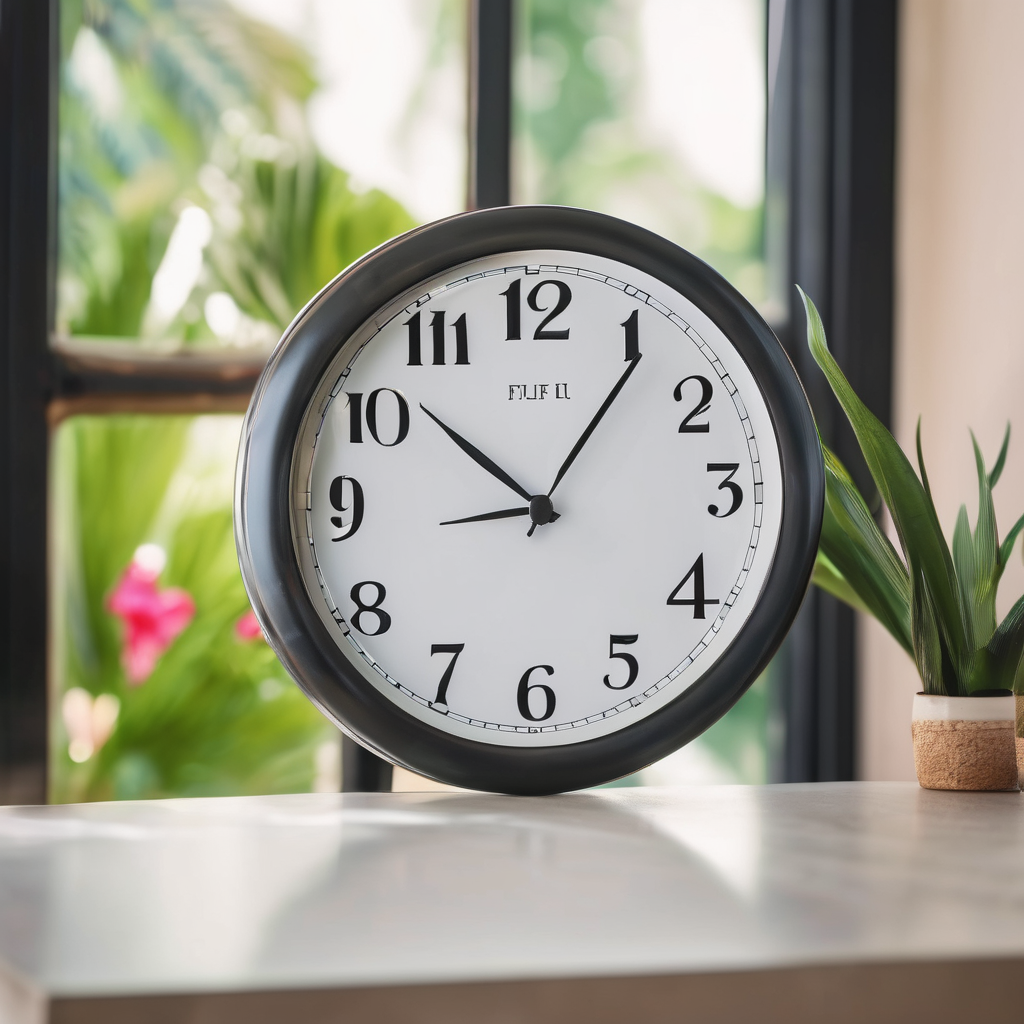
The annual transition to daylight saving time will take place on March 8, 2026, signaling the time to “spring forward” and set clocks ahead by one hour. This practice has been in effect for over a century, originally introduced by the Standard Time Act in March 1918. The adjustment is designed to make better use of daylight during the longer days of spring and summer, ultimately aiming to conserve energy.
Daylight saving time will officially start this year at 2 a.m. local time and will continue until November 1. It’s important to clarify that the appropriate term for this practice is “daylight saving time,” not “daylight savings time,” which is a common misconception.
While most states and U.S. territories observe this time change, notable exceptions include Arizona (excluding the Navajo Nation), Hawaii, and several U.S. territories like Puerto Rico and Guam. There is ongoing dialogue regarding the future of daylight saving time in the U.S., including discussions around the recent proposal, H.R. 7378, also known as the Daylight Act of 2026, which aims to modify the clock change to just a half-hour instead of an hour.
As people adjust to the clock change, it’s essential to be aware of the potential health impacts. The shift often leads to a loss of sleep, which can elevate stress hormones and create health risks, particularly for older adults and women. To mitigate these effects, experts advise gradually shifting bedtime earlier in the days leading up to the time change, maintaining consistent sleep schedules, and getting exposure to natural light shortly after waking.
The continued practice of daylight saving time reminds us of the importance of adapting our routines in sync with natural daylight, promoting not only energy efficiency but also the need for awareness regarding our health as we transition into this seasonal change. Embracing these adjustments with proactive strategies can lead to a smoother transition and a focus on maintaining well-being during this period.