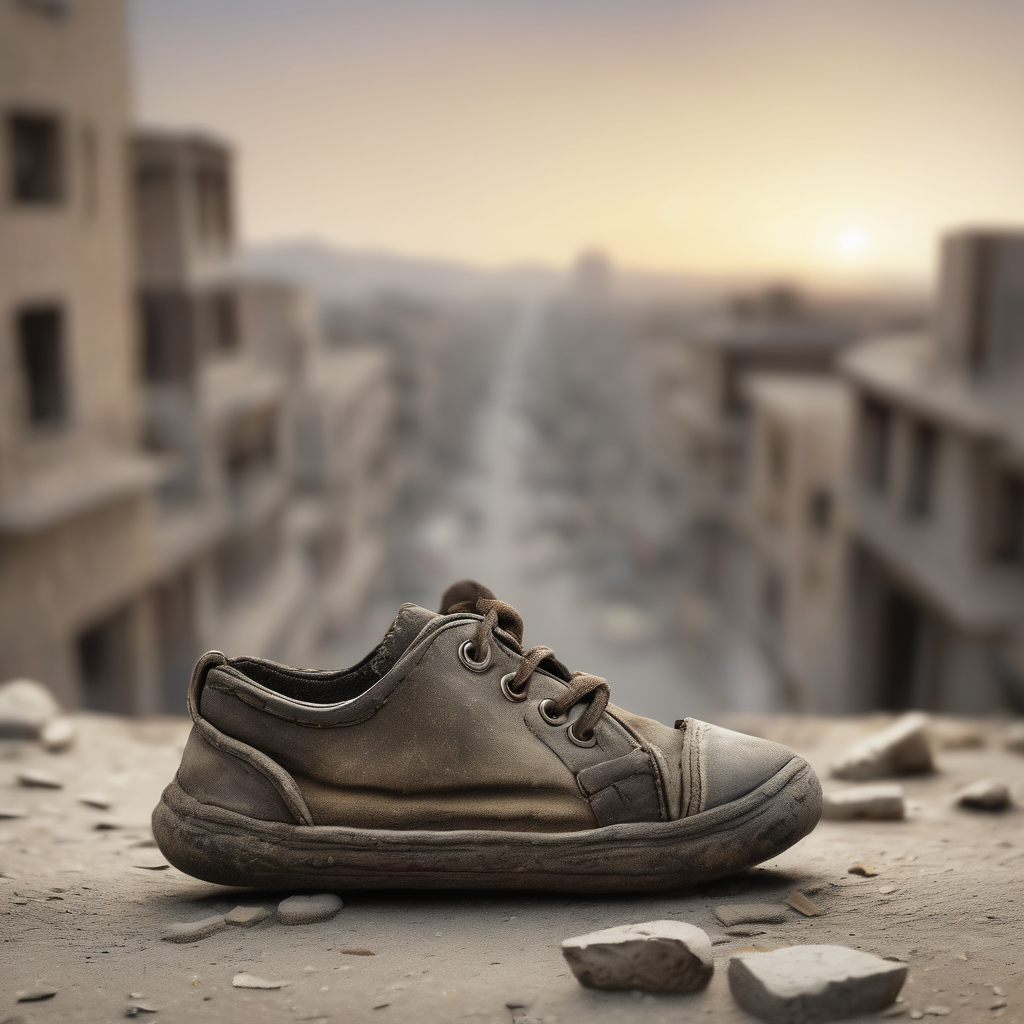
In July 2012, the city of Damascus transformed drastically amid the violent suppression of Syria’s uprising. Once a vibrant hub of culture and connection, it descended into chaos as the term “revolution” evolved to reflect the harsh, brutal reality facing its citizens. Friendships, love stories, and basic humanity began to fracture under the weight of civil unrest. Personal stories emerged that revealed a struggle marked by isolation, fear, and moral compromises, adding a human dimension to the overarching narrative of conflict. This tumult not only unveiled the ferocity of an authoritarian regime but also highlighted the psychological scars and shifting allegiances of those entangled in the turmoil.
The background to this crisis was the escalation of a democratic uprising that quickly devolved into violent confrontations between armed militias and the national army. As the situation intensified, fear permeated the city. Citizens who once bravely protested now lived in dread of being captured or worse. Horror unfolded as security forces perpetrated atrocities, including mass arrests, torture, and executions, shaping a terrifying new reality.
Amid this environment, individual experiences such as that of Loubna Mrie underscore the intimate costs of conflict. Staying with her friend Amer, a Christian artist fighting against the Assad regime, she faced the dangers inherent in delivering medical supplies in a devastated city. The mere act of delivering tetanus vaccines—once a simple task—became emblematic of a rebellion stripped of any romanticism, revealing the grim realities faced by those resisting oppression.
The psychological toll on citizens was immense. Before the crisis, the people of Damascus participated in peaceful protests and sought democratic reforms; however, after July 2012, many lived in fear, with daily life severely curtailed. Relationships suffered as trust eroded and survival instincts took precedence over enduring friendships. Revolutionaries found themselves wrestling with the ideals of freedom against the brutal realities of their plight, often compromising their morals to survive.
The repercussions of the Syrian conflict reverberated beyond national borders, affecting global policy and immigration discussions in countries like the US, UK, Canada, and Australia. The personal narratives like Mrie’s resonate with calls for humanitarian action and political intervention, urging a reassessment of how these nations engage with the Syrian refugee crisis and the need for reconstruction efforts.
Looking forward, several critical developments are projected. Heightened international pressure will likely emerge, with stronger demands for accountability regarding human rights abuses in Syria. Increased attention to healthcare initiatives will prioritize medical aid and rehabilitation efforts for those affected by the war, led by grassroots organizations. Migration trends will also result in growing communities of displaced Syrians in various diaspora locations, influencing societal dynamics in their host countries.
As more personal stories are shared, like that of Loubna Mrie, the understanding of the humanitarian crisis deepens, pushing for a reevaluation of international political responses. The future of the Assad regime remains uncertain, yet the global community cannot afford to ignore the humanitarian implications—countless lives remain at stake amidst the devastation of what was once a vibrant society.