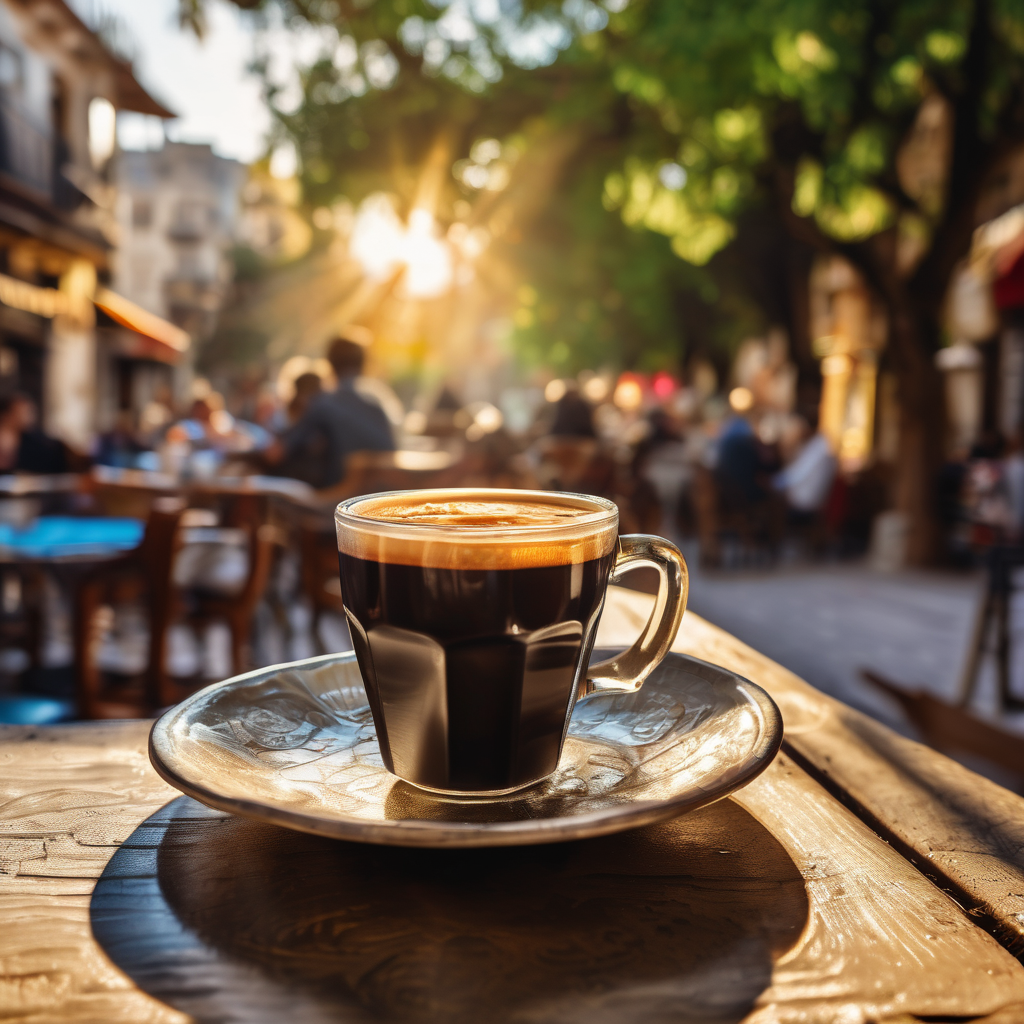
Life in Damascus has seen a significant transformation from the intense violence and chaos of mid-2012 to a more cautious public vibrancy today. This change is vital as it indicates that the same forces which once plunged the city into despair now foster zones where speech and ordinary life are gradually returning, albeit with ongoing repression and past scars lingering.
In July 2012, amidst a burgeoning democratic uprising, the atmosphere in Damascus shifted dramatically. Armed militias clashed with the national army, while nightly bombings disrupted life and protests fell silent under the weight of government crackdowns. Widespread arrests and horrific abuses in hospitals forced many to seek treatment in makeshift clinics. One inventive resident even transformed a refrigerator into a storage unit for vaccines, distributing them stealthily to neighborhood field hospitals to circumvent checkpoints.
The immediate humanitarian crisis was dire, with limb amputations becoming routine in makeshift medical facilities, and many patients refraining from seeking help due to fear of detention. The violence not only diminished public protests but also altered daily life for residents, forcing them to adapt their identities and communal ties in treacherous ways. People fled, disappeared, or learned to navigate their realities with the understanding that their family origins could either shield them or expose them to harsher repercussions from the ruling power.
As time progressed, the situation in the city evolved; areas that remained relatively intact under strict control now display signs of wear and economic strife after years of conflict and sanctions. Yet there is a heartbeat to the city: bustling cafes, women moving about with newfound confidence, and a less rigid control on public discourse are beginning to manifest. The previously unyielding silence is fracturing, allowing space for informal conversations and critiques to emerge.
Today, the impact of that tumultuous past is evident in the daily lives of residents. The initiatives formed during the height of the crisis, such as volunteer networks for vaccine distributions, symbolized a community effort to navigate wartime challenges. Meanwhile, spaces like the Umayyad Mosque now serve as informal gathering spots where women find brief retreats for their children amidst urban chaos. There is a noticeable return to normalcy, with cafes filled once more and everyday social interactions reestablished, even as infrastructure and services still struggle to recover.
Politically, the landscape is fragmented and contested. A transitional authority has emerged, led by Ahmad al-Sharra, whose presence has sparked divided opinions among the populace. This division highlights the complexities of daily life that exist alongside unresolved political tensions and security practices.
Looking forward, observers remain attentive to several indicators signaling whether these fragile improvements in the city’s atmosphere will solidify or regress. Key concerns include the stability of informal social spaces, the evolution of healthcare access birthed in adversity, and how authorities respond to increased freedoms of speech. These factors will ultimately shape whether the recent shifts towards a more open public life can endure or become mere pauses in a cycle of oppression. The resilience of Damascene society, demonstrated through its ability to adapt and create amidst adversity, gives hope that a more vibrant and communicative future may lie ahead.