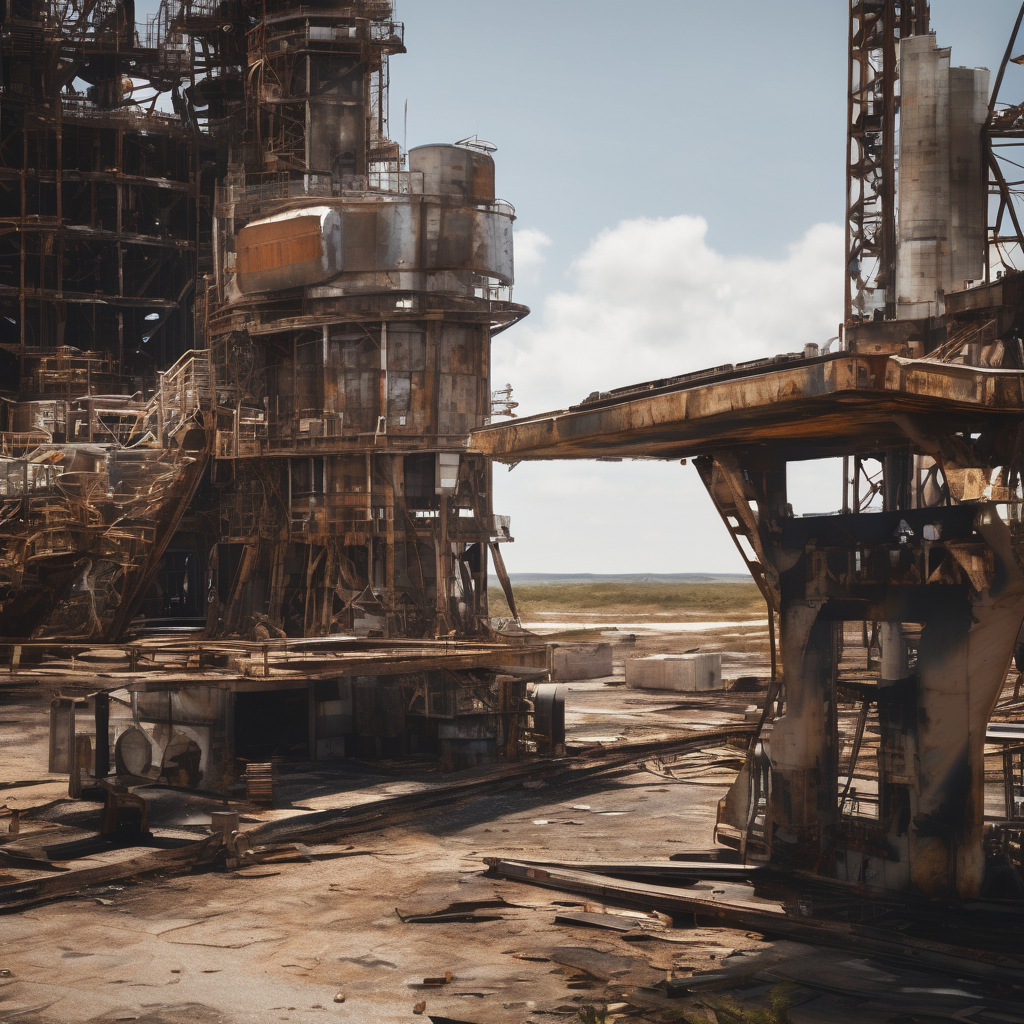
A launch pad at Russia’s primary space facility sustained damage during the recent launch of a mission that successfully delivered two Russian cosmonauts and an American astronaut to the International Space Station (ISS), according to a statement from Roscosmos, Russia’s space agency. The Soyuz MS-28 spacecraft docked with the ISS without incident, and all three crew members have boarded the station.
However, following the launch at the Baikonur Cosmodrome in Kazakhstan, inspections revealed damage to various components of the launch pad. Roscosmos confirmed that an evaluation of the launch complex’s condition is currently underway. Fortunately, it has been assured that all necessary repair parts are on hand, and the agency anticipates that the damage will be addressed promptly.
The launch pad is critical, housing the support systems for the rocket and the structure that allows cosmonauts access to their spacecraft. Launch pads must endure intense heat, air pressure, and vibrations during liftoff, making their integrity essential for future missions.
Russian experts suggest that repairs could last a week or longer, which may hinder Russia’s ability to execute missions to the ISS. Analyst Georgy Trishkin cautioned that delays could disrupt the rotation of crewed missions and cargo flights. As outlined, crew launches from Baikonur typically occur every six months, placing urgency on repairs to the damaged pad.
Vitaliy Egorov, another commentator, highlighted the significance of the launch pad, noting that it is the sole facility Roscosmos utilizes for its ISS program. He remarked that this incident marks a historic point for Russia, as it potentially loses the capability to send humans into space for the first time since 1961. He emphasized the need for swift repairs or modernization of alternative launch sites.
In the meantime, NASA continues to use SpaceX’s Dragon spacecraft for crewed missions to the ISS, ensuring that international partnerships remain intact. The three astronauts who launched on the Soyuz join seven others currently aboard the ISS, with three of them slated to return to Earth by December 8. This launch and subsequent incident highlight ongoing challenges in space exploration, but the commitment to maintaining human presence at the ISS continues steadfast.