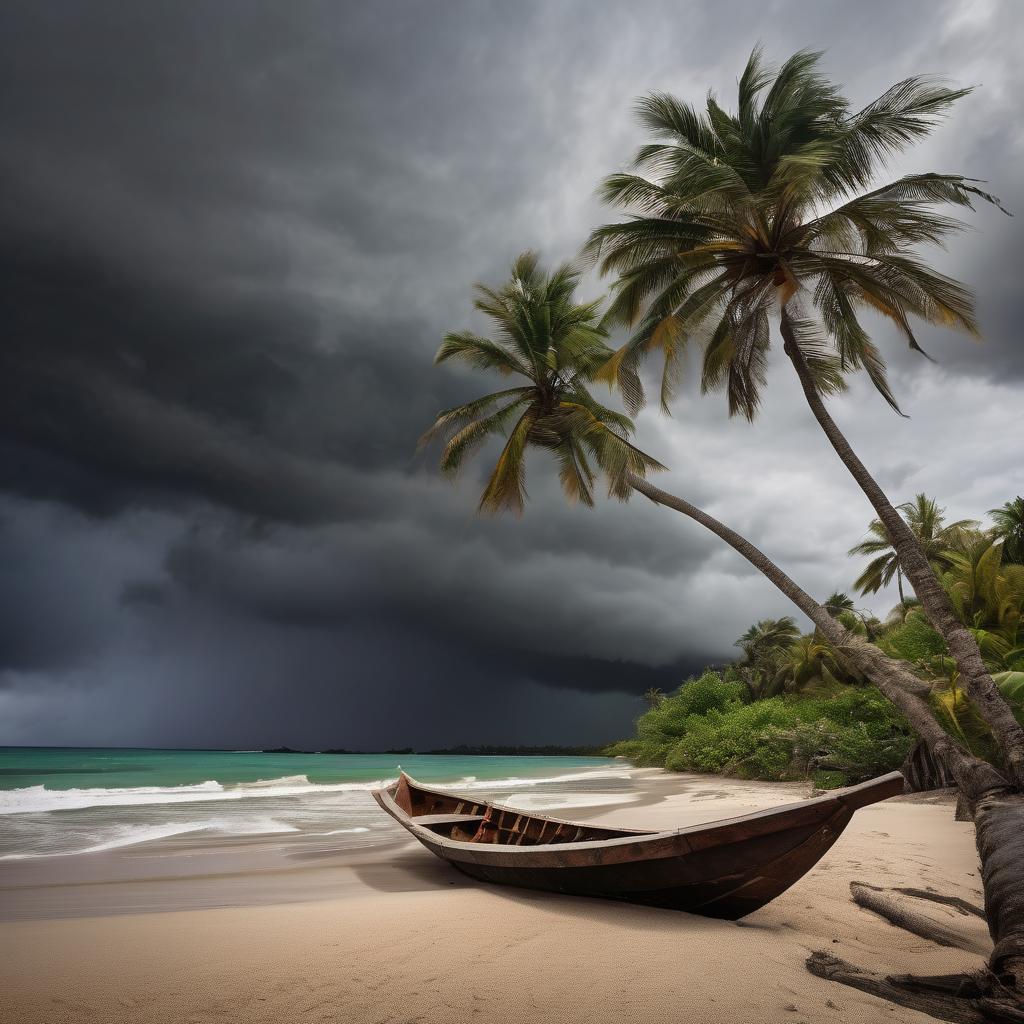
Tropical Cyclone Urmil, classified as a Category Two storm, is moving away from Viti Levu but continues to significantly impact the surrounding maritime islands with severe rainfall and intense winds. The regions of Kadavu, the Lau Group, and nearby islands have been severely affected since last night, facing the brunt of these harsh weather conditions.
In light of the gale-force winds, residents on Totoya Island swiftly concluded church services to return home and safeguard their properties. Pita Ledua, a local from Udu village, spoke to FBC News about the challenging situation, emphasizing the importance of preparedness. “We docked our fiberglass boats inshore right after the weather office advisory. We have learned from past experience, so we ensure that we are ready to keep us safe,” he said, highlighting the community’s proactive measures.
Pauliasi Takape, the Turaga ni Koro of Dravuwalu village, reported similar experiences early in the morning, with strong winds disturbing the area, swaying coconut trees, and scattering debris. He noted the fortunate absence of any casualties, although he raised concerns about the potential damage to older homes. “We are so fortunate that no one died. The only issue now is that most of our houses are old, and if the wind continues, it can damage houses,” he expressed.
Ono-i-Lau has also experienced rising wind speeds overnight, leading to disruptions in communications on the island, which relies heavily on solar power. Ogea Island is currently under relentless rains and winds, with conditions worsening as the day progresses.
As Tropical Cyclone Urmil remains positioned west-southwest of Kadavu and advances southeast, its effects continue to be felt across the region. Forecasts predict that strong northwesterly winds and active rainbands will persist, resulting in heavy rainfall and isolated thunderstorms in the coming days.
This situation underscores the resilience of island communities as they proactively prepare for the challenges presented by extreme weather, prioritizing the safety of their families and homes. Such preparedness reflects a spirit of determination and hope as these communities navigate the unpredictable forces of nature.