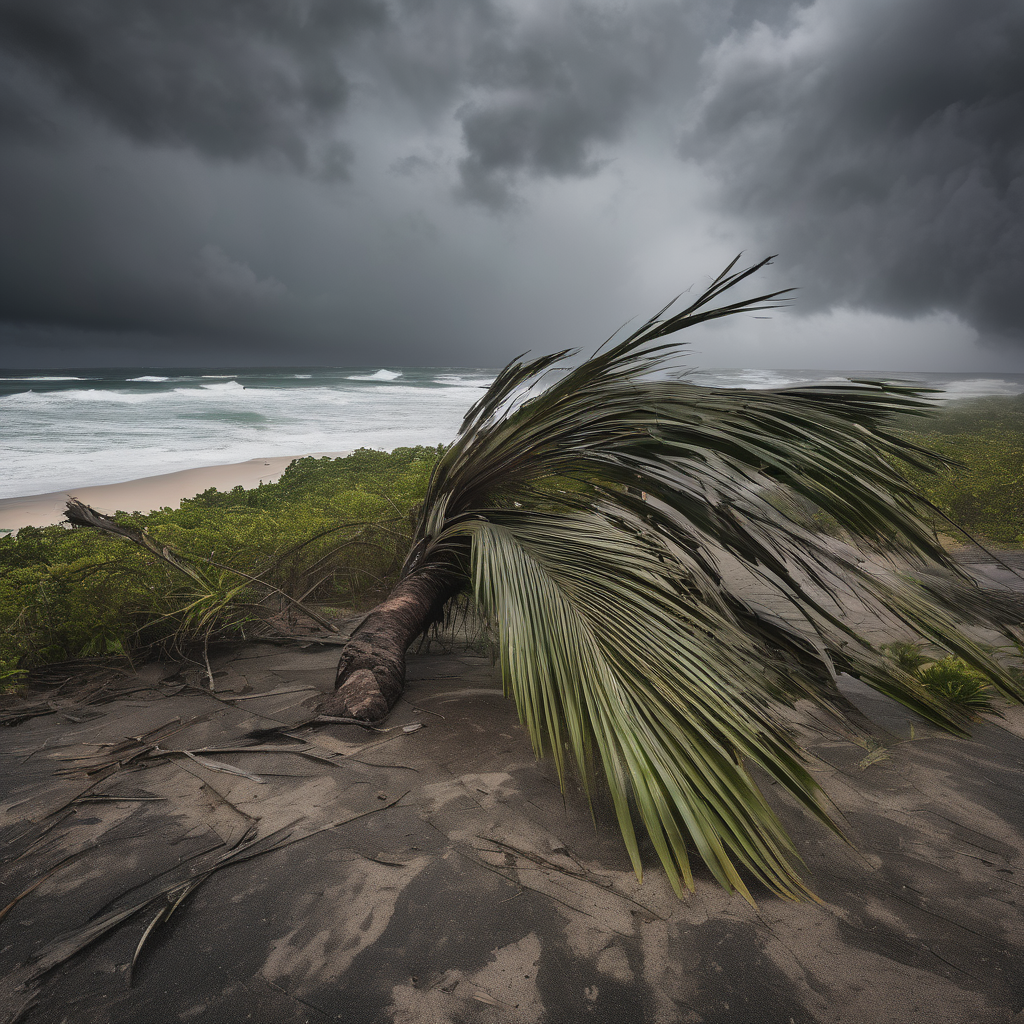
Tropical Cyclone Horacio has made headlines as the first Category 5 cyclone of 2026, marking a significant event in meteorological history. This powerful storm has intensified remarkably, with wind speeds escalating from 104 km/h to 257 km/h in just 24 hours, a phenomenon known as rapid intensification. The cyclone developed over the warm waters of the southern Indian Ocean and is currently located far from Indian shores.
Category 5 cyclones are classified by the Saffir-Simpson Hurricane Wind Scale as storms with sustained wind speeds exceeding 250 km/h. At this severity, cyclones can cause catastrophic destruction, uproot trees, demolish buildings, disrupt power supply, and flood coastal areas due to massive storm surges. They can also trigger heavy rainfall that leads to flash floods and landslides.
While Cyclone Horacio poses no immediate threat to India, the situation is being monitored closely. The storm is situated well outside the primary cyclone-forming basins that affect India, namely the Bay of Bengal and the Arabian Sea. Historical weather patterns indicate that cyclones rarely cross hemispheres, which further minimizes the risk of Horacio making its way towards Indian waters.
India’s coastal states, including Odisha, West Bengal, Andhra Pradesh, Tamil Nadu, and Gujarat, frequently face the impact of cyclones originating from the northern Indian Ocean. The country has a long history of experiencing severe weather events, such as Cyclone Fani in 2019, which reached Category 5-equivalent strength and wrought significant damage in Odisha. Events like Horacio underscore the necessity for preparedness, robust early warning systems, and climate-resilient infrastructure as India has one of the longest coastlines in the world at 8,041 kilometers.
As warmer sea surface temperatures are predicted to become more common, there is a growing concern among meteorologists that cyclones in the region could intensify more quickly and bring heavier rainfall. This trend highlights the broader implications of climate change, reinforcing the need for vigilance and readiness against increasingly powerful storms.
In conclusion, while Cyclone Horacio does not currently threaten India, it serves as a stark reminder of the potential dangers posed by extreme weather, emphasizing the importance of continued observation and preparedness to mitigate risks associated with future cyclones.