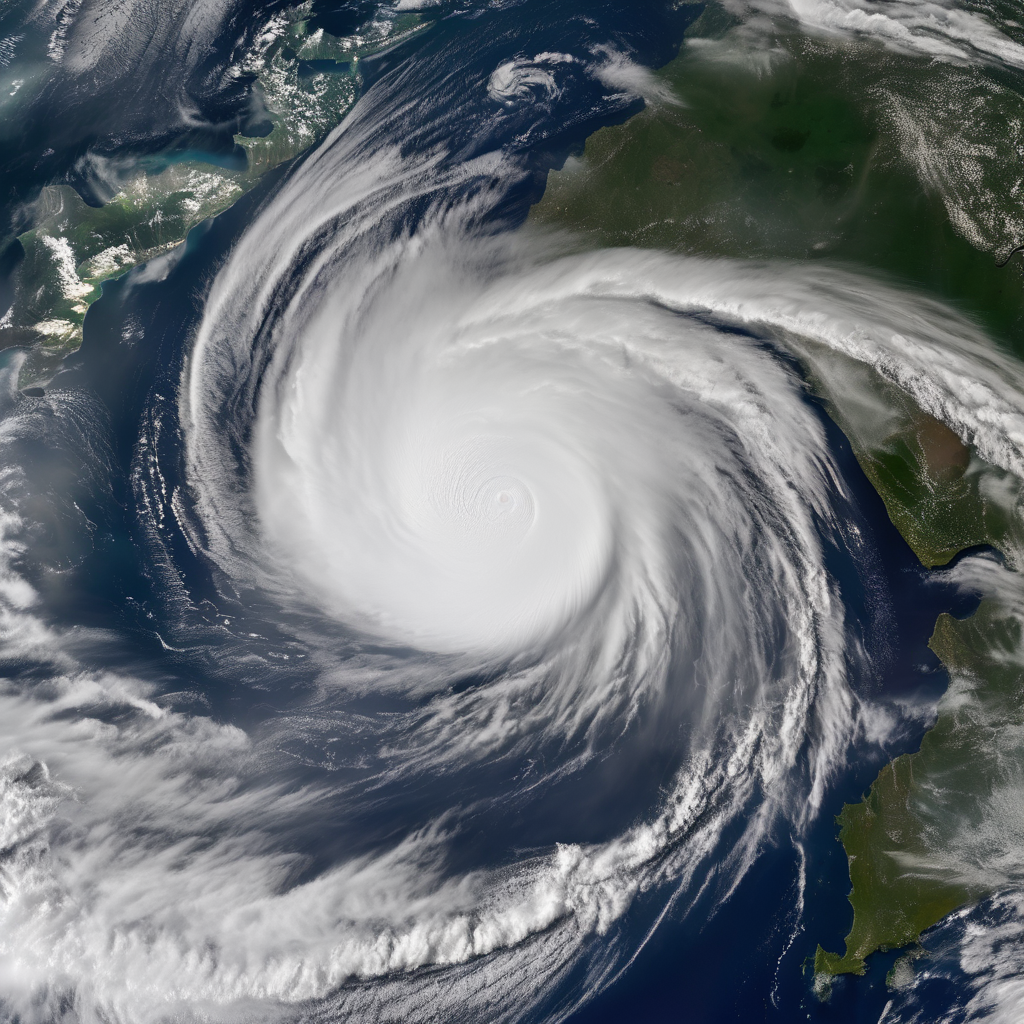
Residents in Kithulbadde village, located in central Sri Lanka, are facing significant challenges following the devastation caused by Cyclone Ditwah last week. The cyclone, which was marked by violent winds and severe flooding, has resulted in the tragic loss of approximately 479 lives, with another 350 individuals reported missing. The disaster has impacted around 1.2 million people across the country, leaving many traumatized and hesitant to return to their homes due to the extensive damage.
The cyclone has created deep fissures in the earth and led to cracked walls in many residences, prompting those housed in relief centers to remain there for their safety. Reports indicate that 1,289 homes have been completely destroyed, while an additional 44,500 have suffered partial damage. The government is currently gathering data to devise effective long-term solutions for communities situated in high-risk areas.
In light of the disaster, the International Monetary Fund (IMF) is actively evaluating Sri Lanka’s economic needs. A crucial board meeting is scheduled for December 15, where the IMF intends to discuss the outcomes of the current loan program, which was agreed upon in October. According to spokesperson Julie Kozack, the IMF is exploring ways to provide additional support to Sri Lanka as it embarks on its recovery journey.
The response efforts and potential support measures highlight a proactive approach to rebuilding the affected regions and restoring normalcy to the lives of those impacted by this severe cyclone. The resilience of the communities and the collective efforts for recovery provide a glimmer of hope for the future as recovery initiatives begin to take shape.