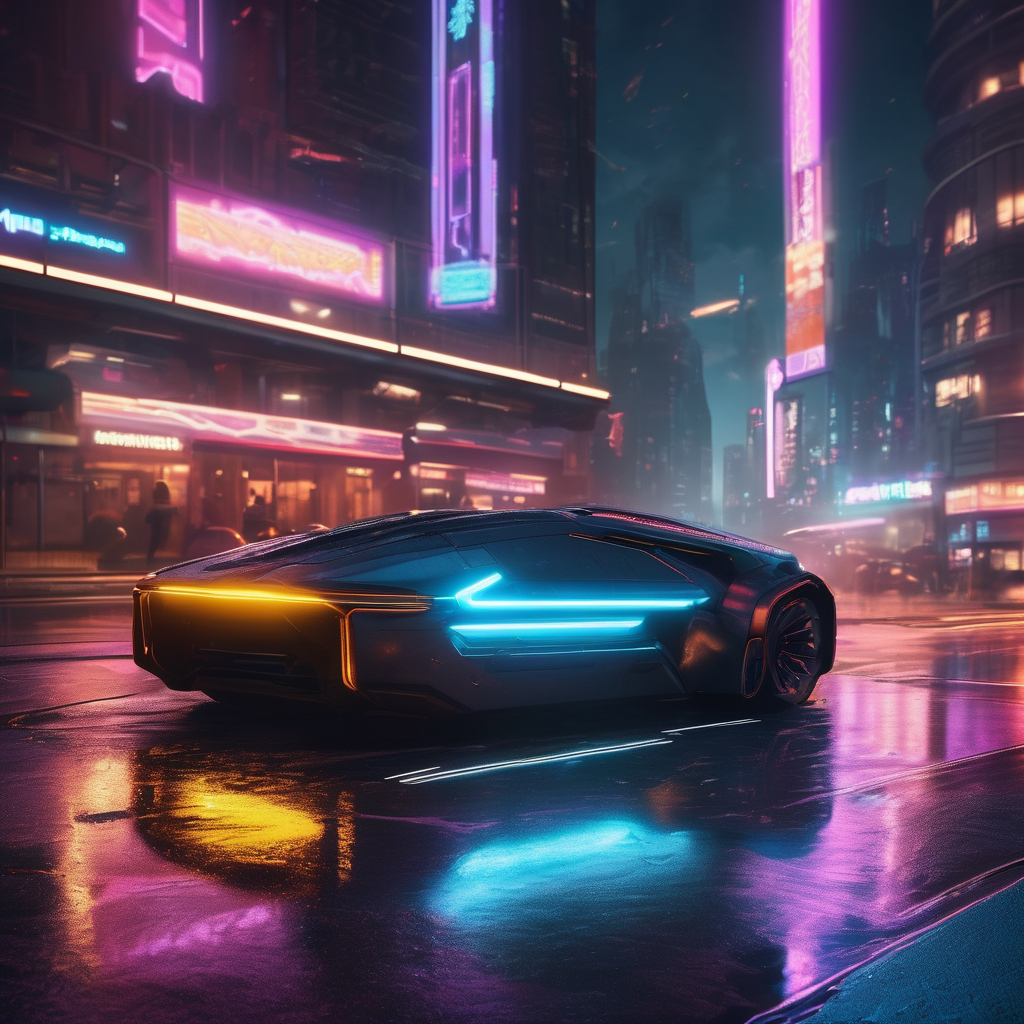
Cyberpunk 2077 has sparked much discussion around its narrative structure, particularly regarding the opening acts where players are introduced to the mercenary protagonist, V, and their partnership with Jackie Welles. Following a job that goes sideways, V confronts the imminent threat of mortality, lingering under the shadow cast by Keanu Reeves’ character, Johnny Silverhand. Despite this overarching tension, players have the option to immerse themselves in the expansive world of Night City, engaging in various side quests that often detract from the main narrative urgency—a concept even acknowledged by the developers at CD Projekt.
In the initial segment prior to the heist, the game allows players to explore Jackie and V’s rise through Night City’s criminal underbelly. This section can either stretch out significantly for those eager to take on every side quest or be quickly bypassed by others yearning for deeper narrative engagement. A crucial question arises: would extending this part of the main storyline enhance the overall experience? Igor Sarzynski, the creative director for Cyberpunk 2, firmly believes that it wouldn’t, comparing the proposal to spending unnecessary time on Tatooine with Luke Skywalker before he embarks on his Jedi journey.
Sarzynski articulated his stance on BlueSky, claiming that expanding the pre-heist act would transform the narrative into something unfocused and meandering. The motivation during this phase is described as somewhat vague, centered on the objective to “get to the top.” Prolonging this arc without necessary stakes or pressure could dilute the emotional impact of major plot developments, particularly the fate of Jackie, who plays a pivotal role in shaping V’s journey.
While some players may feel that the current pacing rushes through important relationship-building moments, Sarzynski argues that the balance struck allows players to form meaningful connections while maintaining momentum. Currently, the game offers ample opportunity for exploration—potentially up to 20 hours—during this opening phase without necessitating a lengthier introduction.
Critics have pointed out that the early game sometimes feels like it hastily aligns players for the deeper narrative that follows, particularly when introducing Silverhand and the complexities surrounding the relic. Players engaging in side quests while simultaneously confronted by a pressing threat may create a dissonance in the storytelling experience. Sarzynski acknowledged this challenge and suggested that future iterations could benefit from framing side quests as essential for building one’s legend, potentially gating specific endings behind these missions.
Interestingly, the debate highlights the balance between narrative depth and gameplay pacing that is crucial in immersive storytelling. Although the structure of Cyberpunk 2077’s opening acts has been scrutinized, Sarzynski’s insights lend a reflective perspective on narrative design. The evolution of game mechanics and storytelling in the anticipated sequel, Cyberpunk 2, seems poised to learn from these early critiques, potentially enhancing the overall player experience. As the gaming community continues to engage with the rich tapestry of Night City, the hope remains that future developments will delve deeper into the character arcs while maintaining the thrilling pace that defines such narratives.