A new wave of extreme cold is gripping the region, combining with dry conditions to elevate the risk of wildfires significantly. Despite a brief respite from the chill, temperatures have plummeted again, with regions such as Cheorwon and Paju experiencing morning lows around minus 15 degrees Celsius.
This latest cold snap follows a week of intense frost, and although the high-pressure system responsible for last week’s freeze has dissipated, a fresh advisory for cold air from the north has taken its place. Forecasters from the Korea Meteorological Administration predict that while frigid conditions will persist through Saturday morning, temperatures are expected to rise gradually, returning to seasonal averages by Sunday.
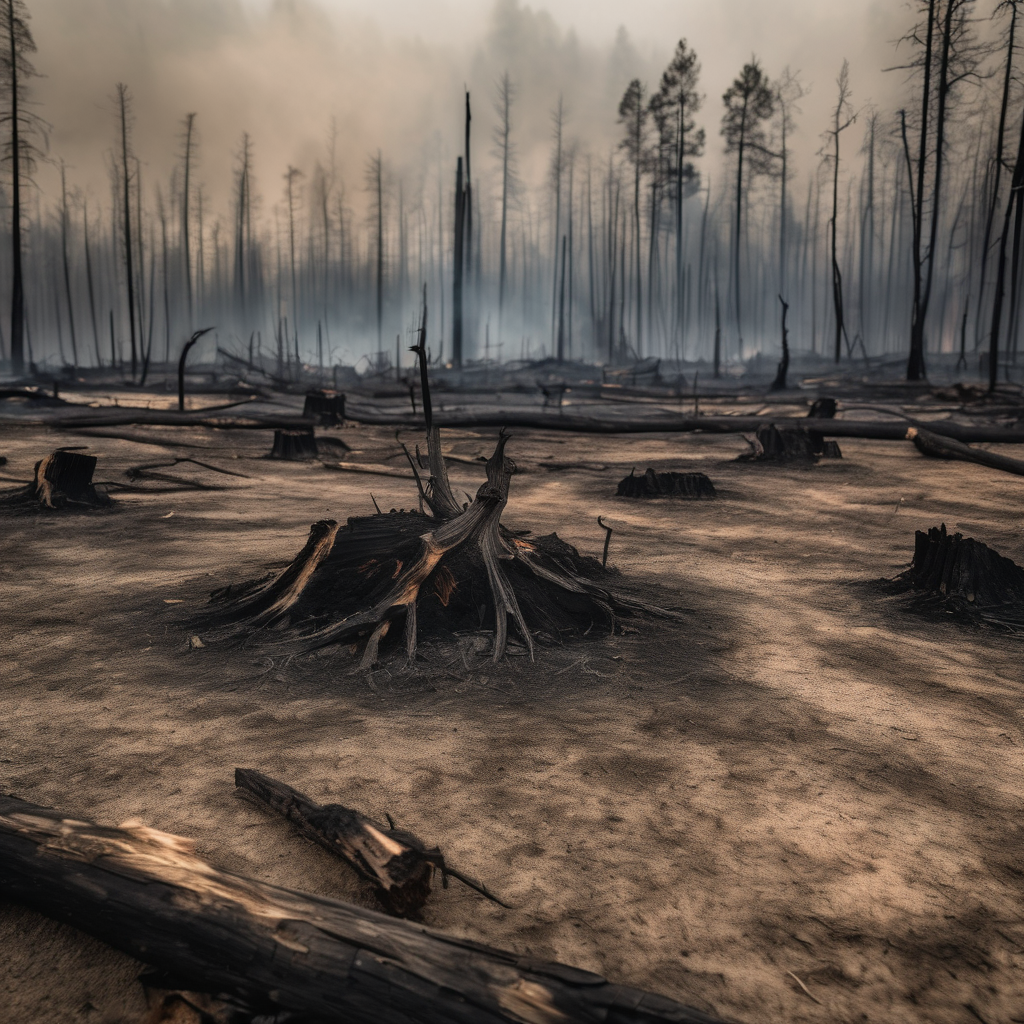
The prolonged freezing temperatures have increased discomfort for many, but an even more pressing concern is the threat of wildfires. The arrival of cold, dry air is leading to increasingly parched conditions, prompting the national weather service to issue expansive dry weather advisories. Areas in the eastern regions, which are already experiencing significantly below-average rainfall, face heightened wildfire risks.
Notably, the eastern Gyeongsang and Gangwon regions are under a national crisis alert for wildfire hazards, with the current indication being at a “warning” level. This marks a significant occurrence, as it is the first time since the national crisis alert system was established in 2004 that such a warning has been issued in January, indicating a very high probability of wildfire incidents.
With over one-third of wildfires attributed to human negligence, authorities emphasize the importance of vigilance to prevent a repeat of last year’s devastating wildfires. The combination of harsh winter weather and dry conditions serves as a crucial reminder for community members to exercise caution in outdoor activities and mitigate fire risks.