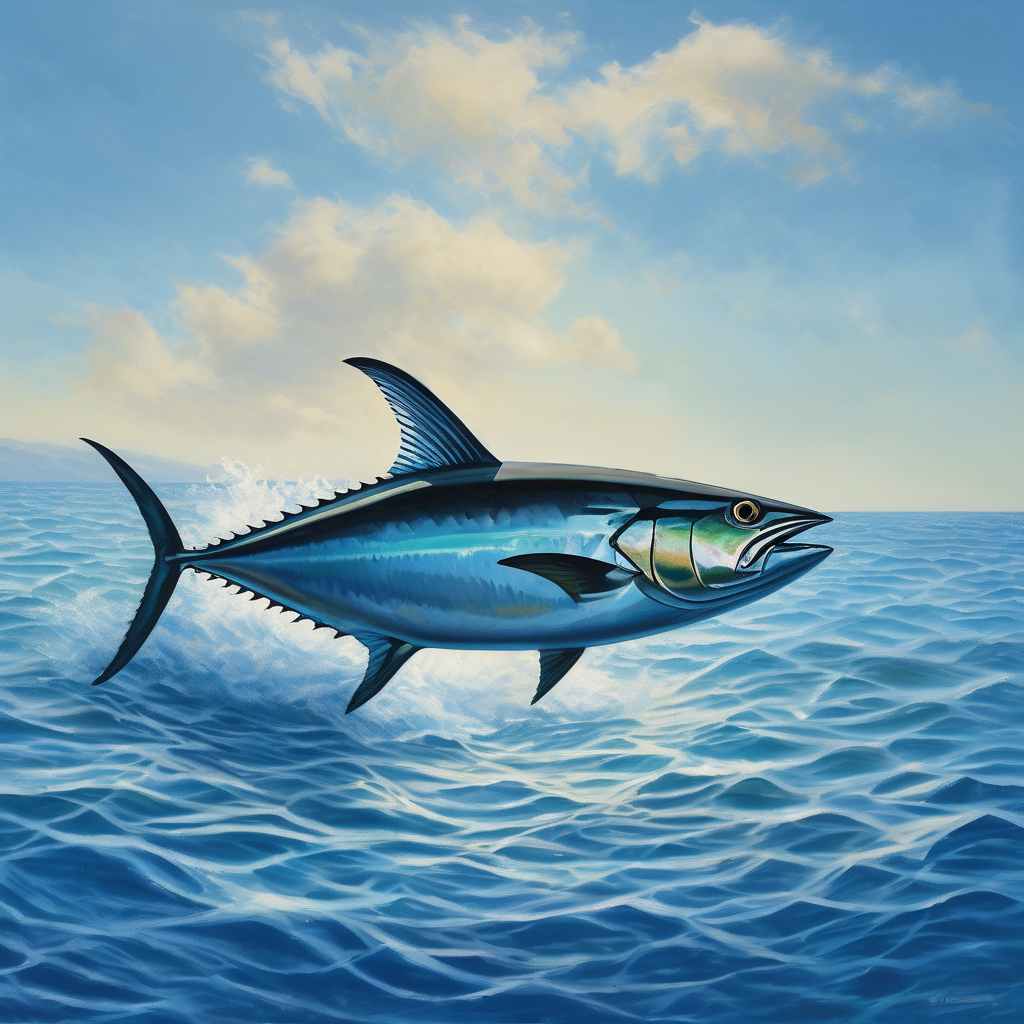
The Commonwealth of Northern Mariana Islands (CNMI) recently opened discussions at the Western and Central Pacific Fisheries Commission (WCPFC22), emphasizing the urgent need for action on South Pacific albacore. Sylvan O. Igisomar, head of the CNMI delegation and Secretary of Lands and Natural Resources, called on delegates to prioritize the adoption of a Management Procedure for South Pacific Albacore, echoing the sentiments of fellow Pacific island representatives, including those from American Samoa.
Igisomar underscored the critical role that Small Island Developing States (SIDS) play in shaping the future of tuna fisheries in the region, stressing that their interests should not be overlooked. He highlighted the CNMI’s deep-rooted tradition of sustainable fishing, stating, “Our islands—from Rota to Maug—are not just specks on the map but vital guardians of Oceania, where our communities have fished sustainably for generations.”
Invoking the wisdom of Pacific philosopher Epeli Hauʻofa, Igisomar remarked that the concept of smallness is a mindset, rejecting the notion that their capacities are limited by geographic size. He outlined the CNMI’s Marine Conservation Plan, which aims to enhance food security, cultural continuity, economic resilience, and local capacity-building, all while appreciating the WCPFC’s progress over the past 25 years. However, he pressed for fair opportunities for SIDS to thrive within the fisheries sector.
“We aspire to develop our fisheries to the same capacity as all of you at this meeting,” Igisomar stated, expressing the CNMI’s readiness to collaborate and build partnerships to achieve these goals. He conveyed a powerful message calling for unity and leadership among the Tuna Commission, emphasizing that the sustainability of their fisheries is vital for the survival of local communities.
In conclusion, Igisomar’s call to action reflects a hopeful attitude toward the future of tuna fishing in the Pacific, advocating for cooperative efforts that would ensure the region’s marine resources endure for generations to come.