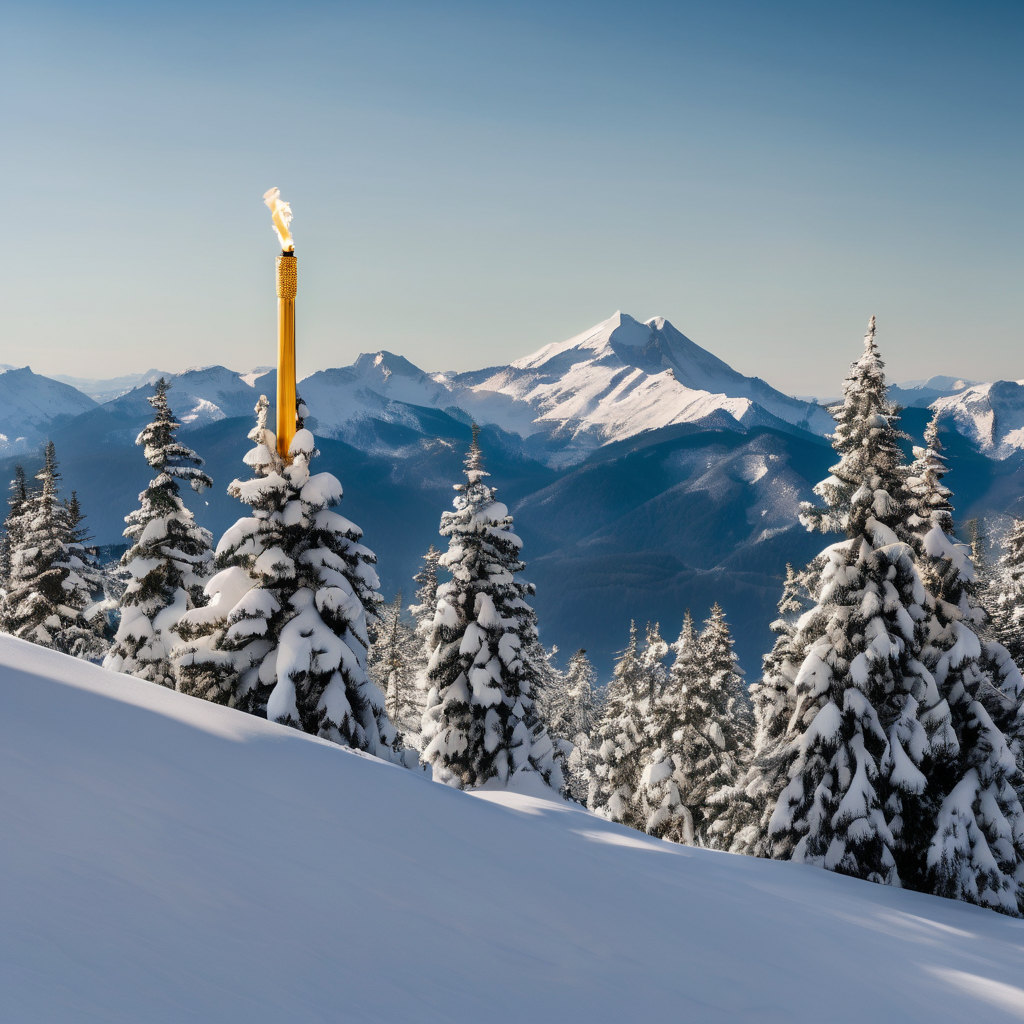
The future of the Winter Olympics is increasingly in question as climate change alters the landscapes that host these events. With the 2026 Milan-Cortina Olympic Games on the horizon, athletes, coaches, and organizers are beginning to feel the effects of warming temperatures firsthand.
The ongoing shifts in weather patterns raise concerns about safety and fairness in competition, according to Daniel Scott, an expert from the University of Waterloo who studies climate risks related to winter sports. Scott’s research highlights that of the 93 mountain resorts capable of hosting elite winter sports, only 52 are expected to reliably have snow and cold temperatures by the 2050s, a figure that could potentially dwindle to just 30 by the 2080s. He remarked, “Climate change is going to change the geography of where we can hold the Winter Olympics and the Paralympics.”
The situation is even more complex for the Paralympic Winter Games, which occur shortly after the Olympics. Projections indicate that only four suitable sites may remain for these events in the coming decades if climate trends continue unabated.
In light of these challenges, the International Olympic Committee has begun discussing the feasibility of shifting the Olympics to earlier dates, which could potentially double the number of viable host locations. However, even these adjustments come with significant limitations, as future host sites will likely depend heavily on artificial snowmaking.
While artificial snow is not new to the Olympics—the first use occurred at the 1980 Winter Games in Lake Placid—the reliance on it has significantly increased. The 2022 Beijing Games made history by hosting competitions almost entirely on manufactured snow, a trend that the upcoming Milan-Cortina Games will follow. Organizers aim to create millions of pounds of snow, a stark contrast from the 1956 Cortina Games, which used no artificial snow at all.
Northern Italy, typically known for its cold winters, has seen a notable decrease in snowfall due to rising temperatures, necessitating advanced snowmaking techniques to maintain Olympic standards. Experts like Davide Cerato have assumed pivotal roles in this transition, utilizing automation and innovative water reservoirs to manage snow production effectively.
As technology increasingly becomes a crucial element for winter sports, the landscape of future Olympic Games will shift dramatically. While winter sports will continue to thrive, the venues, timing, and methods of execution are rapidly evolving. The 2026 Milan-Cortina Games will likely serve as a crucial benchmark for how the Olympic movement adapts to a changing world, highlighting both the challenges and the innovations that lie ahead.