China is celebrating the eve of the Lunar New Year with a notable increase in international tourism and a rise in spending related to the festivities. Tourism platforms and authorities are highlighting the growth in bookings and consumption both within China and abroad.
This year, the official holiday period for the Spring Festival has been extended to nine days, from February 15 to 23. The travel period known as ‘chunyun,’ which marks the world’s largest annual migration, is projected to reach up to 9.5 billion trips over the next 40 days, according to estimates from the National Development and Reform Commission.
The increase in foreign visitors is significant. The travel site Springtour.com reported that the number of international tourists expected to use its platform during the holiday had doubled year-on-year by January 27. Additionally, the online agency Qunar noted a 30% increase in flight bookings from non-Chinese passport holders to destinations in China by the end of January. The majority of these travelers are coming from countries such as South Korea, Vietnam, Singapore, Australia, and Indonesia, with a notable rise in visitors from Argentina.
The surge isn’t limited to inbound tourism. The National Immigration Administration estimates that daily entry and exit traffic during the holidays will be around 2.05 million passengers, an increase of 14.1% compared to the previous year.
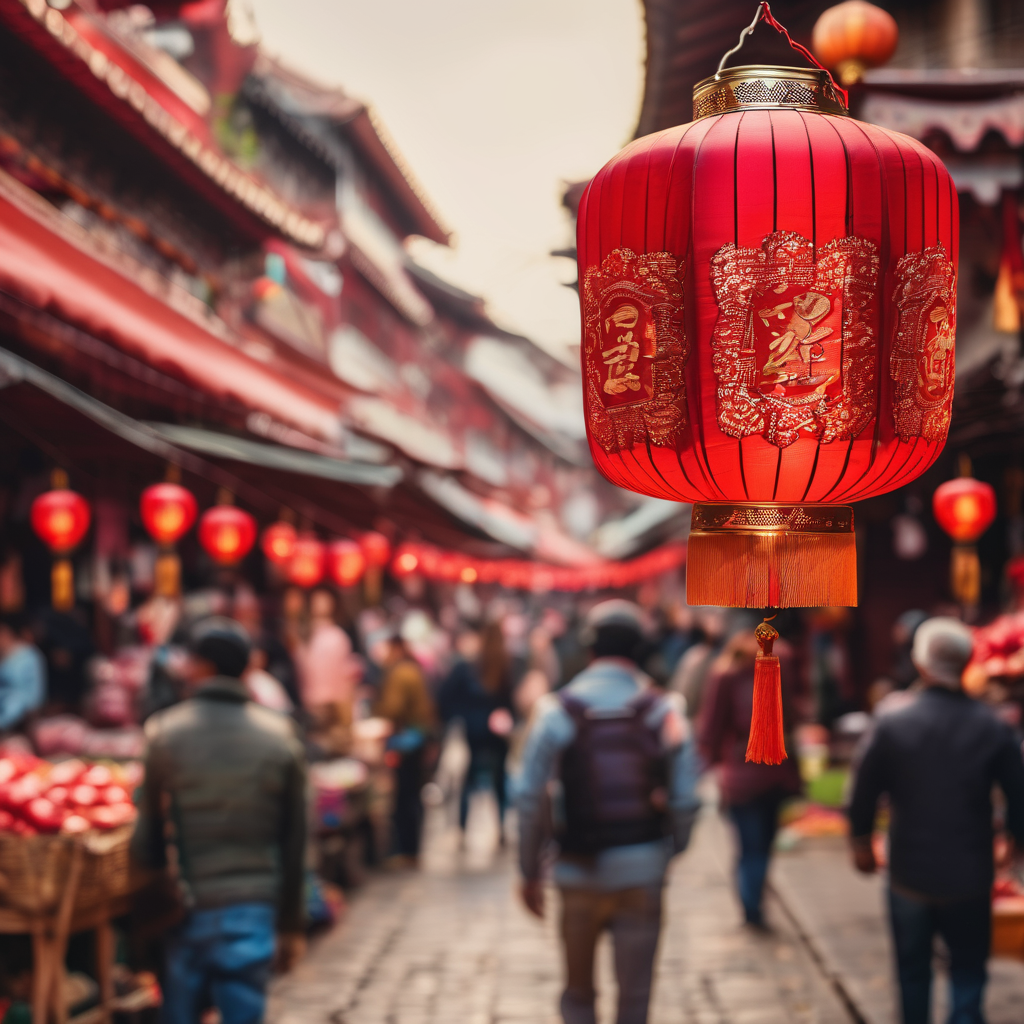
In major cities like Beijing and Shanghai, traditional markets and fairs are bustling with activity. In the Longfusi commercial area of the capital, both visitors and residents are flocking to stalls offering sweets, handcrafted toys, and New Year’s paintings, all amidst a festive atmosphere adorned with red lanterns and cultural performances.
Moreover, consumption trends are evolving, with imported products such as Chilean cherries, Thai durians, and European dairy products increasingly gracing festive tables. The National Bureau of Statistics has reported that per capita disposable income is expected to reach 43,377 yuan (around $6,28 or €5.29) by 2025, indicating potential further growth in consumer spending.
The Lunar New Year festivities are not only a time of reunion and celebration but also a reflection of China’s growing economic engagement and cultural revival, painting a hopeful picture for the year ahead.