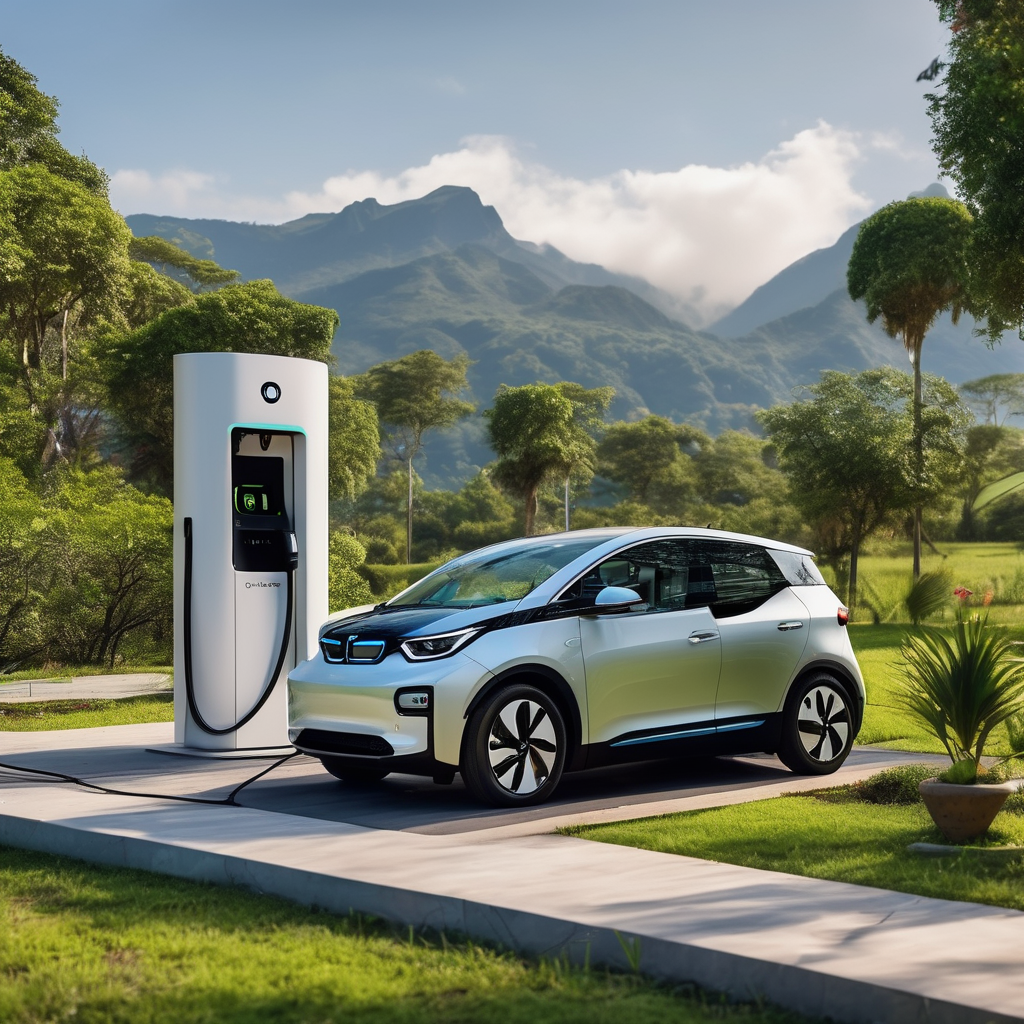
Chinese automotive manufacturers are increasingly establishing their presence in South America, primarily in Brazil, as they respond to changing market dynamics influenced by tariff regulations. With Brazil’s import tariffs set to rise to 35% by July 2026, Chinese automakers are strategically forming partnerships with local importers to deliver a range of affordable vehicles tailored to local preferences, offering electric vehicles at approximately 60% of the price compared to brands like Tesla.
Companies such as BYD, Geely, and Great Wall Motors (GWM) have significantly expanded their market share in South America, particularly with the surge in demand for electric and hybrid vehicles. In Peru, electric and hybrid vehicle sales reached a record 7,256 units in the first nine months of the year, marking a 44% increase compared to the previous year, despite still constituting a small percentage of the 135,394 new car sales nationwide. BYD is currently planning to expand its operations in Lima with a fourth dealership, while other brands like Chery and Geely are also establishing numerous outlets across the country.
The development of infrastructure has played a crucial role in this growth. The Port of Chancay in Peru, initiated under China’s Belt and Road Initiative, has begun reshaping trans-Pacific trade and is expected to facilitate the import of thousands of Chinese-made vehicles annually. The port’s operations have already seen significant growth, with the volume of vehicles landing in July skyrocketing from 839 in January to over 3,000.
The increasing market presence of Chinese brands is also evident in other South American countries. By July, Chinese vehicles represented 33% of the Chilean market, with neighboring Peru becoming a hub for re-exporting these cars to Ecuador and Colombia. Chinese automakers, capitalizing on a price war in China and excess inventory, are now looking to markets in the Middle East and Latin America due to tighter entry barriers in the United States and stricter trade conditions in Europe.
The electric vehicle market in Latin America witnessed significant growth, with the market share reaching notable levels in various countries: 10.6% in Chile, 9.4% in Brazil, and 28% in Uruguay for new car registrations. This rise is fueled by government incentives and the affordability of Chinese-made electric models.
However, while Chinese automakers are deepening their market presence, particularly in Brazil, challenges remain. High import tariffs are intended to bolster local manufacturing, yet some manufacturers are accused of maximizing short-term gains through imports rather than investing in robust local production facilities. Reports of substandard working conditions at some assembly plants further complicate the narrative around the benefits of this expansion.
Despite strong interest in electric vehicles, the potential for widespread adoption in South America faces hurdles, primarily due to limited charging infrastructure and the challenges of long-distance travel. Yet, as consumers increasingly recognize the advantages of electric models—such as lower operating costs and reduced maintenance—there remains a hopeful outlook for the EV market in the region.
As Chinese automotive manufacturers continue to navigate the landscape, their push into South America is likely to reshape the competitive dynamics in the automotive sector, offering both opportunities and challenges.