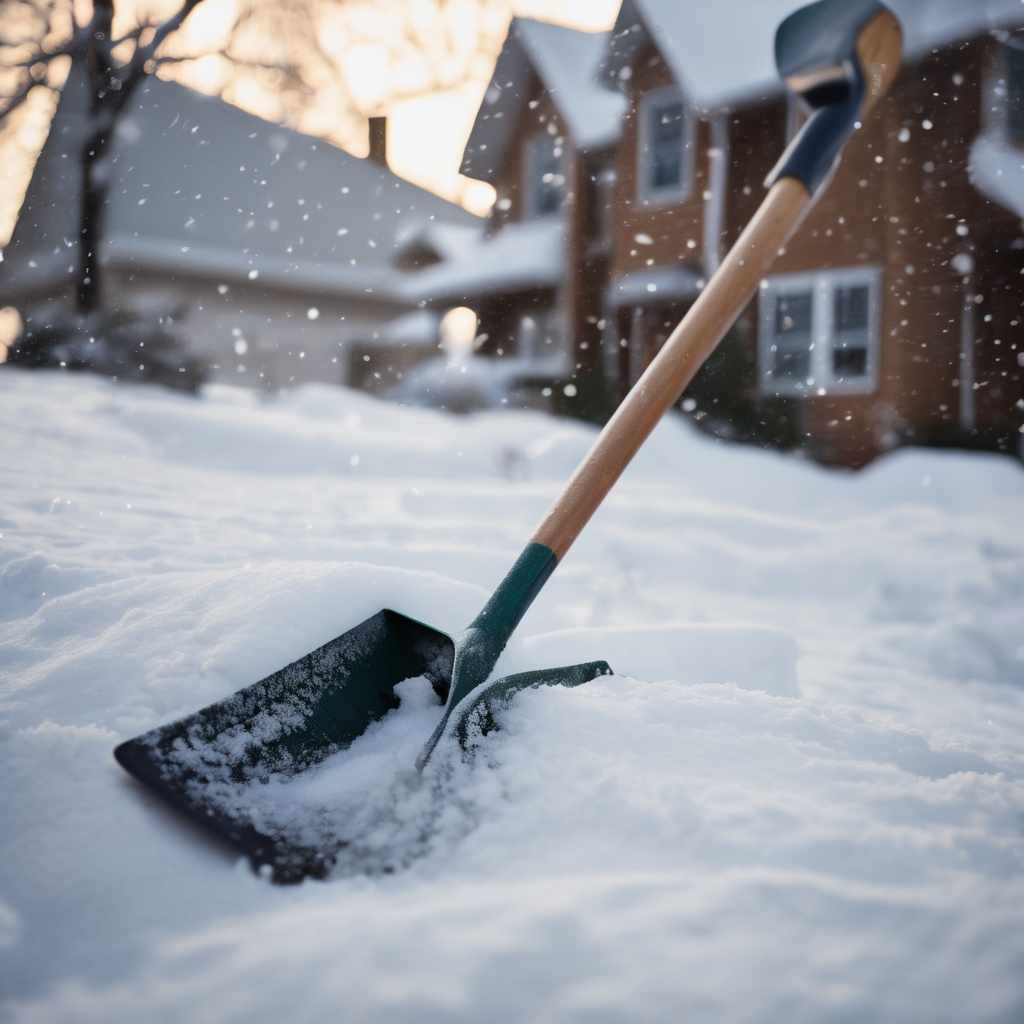
In the Capital Region of New York, the sight of snow and ice is commonplace during the winter months, but these conditions pose significant risks for pedestrians. Slippery sidewalks, parking lots, and walkways can result in serious injuries from slips and falls, raising questions about legal liability in such incidents.
Andrew Finkelstein, Managing Partner at Finkelstein and Partners Personal Injury Attorneys, shared insights with CBS6 regarding the responsibilities of property owners when it comes to clearing snow and ice. He emphasized that property owners have a legal obligation to maintain their premises and keep them free from hazardous conditions, including the dangers posed by snow and ice. Importantly, this responsibility begins after a snow event has concluded; during an ongoing snowfall, property owners are not expected to clear the snow.
Once the storm has passed, property owners must act within a reasonable timeframe to remove hazardous snow and ice. Many engage snow removal contractors for this task, although Finkelstein noted that these contractors are typically only responsible to the property owner and are not liable for injuries unless their actions worsen the hazardous conditions. A pertinent example includes how snow is piled after plowing; if large mounds of snow are improperly placed, they can melt during the day and refreeze overnight, creating icy patches.
Finkelstein cautioned pedestrians to remain vigilant in areas where heavy snow piles accumulate near walkways and parking lots, as these can signal potential risks for icy conditions. His advocacy work highlights the need for greater awareness and preparedness among both property owners and the community during winter months.
The insights provided by Mr. Finkelstein underscore the important legal implications surrounding snow and ice-related injuries, stressing that while winter can bring beautiful landscapes, safety should always be a top priority. Through informed actions and diligence, both property owners and pedestrians can help mitigate risks during challenging weather conditions.