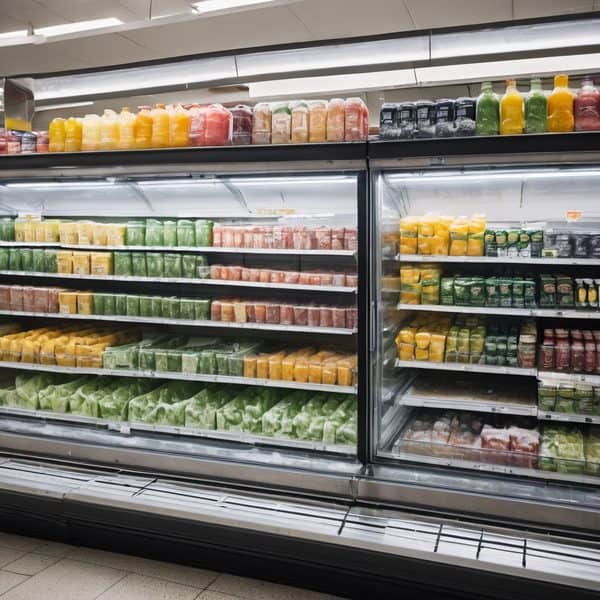
Coca-Cola’s Minute Maid brand will withdraw frozen juice concentrate from Canadian supermarket shelves by April, marking what industry observers say may be the end of a decades‑old grocery staple. The move follows last year’s exit of Canadian food company Lassonde from the frozen concentrate market, leaving Canada without its two major suppliers and raising the prospect that frozen juice concentrate will soon be unavailable nationwide.
A Coca‑Cola spokesperson told CBC the decision was “in response to shifting consumer preferences,” a justification that analysts say points to long‑term declines in demand rather than a temporary supply issue. Zhe Zhang, an assistant professor of marketing at Western University’s Ivey Business School, said the near‑simultaneous withdrawal of both brand‑name and private‑label options “sends a clear signal that the problem is not branding or pricing, but that the product has very low market demand.” Zhang added that the move “indicates that the product is approaching the end of its lifecycle.”
Retailers say remaining stocks will be sold through ahead of the April cutoff. Because both major manufacturers have abandoned the category, Canadian shoppers who rely on frozen juice concentrate to make orange juice and other fruit beverages at home are likely to find it increasingly difficult to locate replacement products. The incoming move also reportedly affects the United States, where Minute Maid’s frozen concentrate offerings will no longer be available, although ready‑to‑drink juices and other formats under the brand will remain.
Industry observers and grocers point to changing consumer habits as the chief driver. CBC’s reporting notes that shoppers are substituting frozen concentrate with a wider array of refrigerated and shelf‑stable beverages, including single‑serve options and ready‑to‑drink juices. Many of those alternatives are sold in plastic containers, a trend environmental advocates have criticized; the article cites concerns about microplastics and calls out Coca‑Cola among major plastic polluters. Some consumer groups and sustainability advocates recommend glass packaging where feasible, though glass adoption faces practical and cost hurdles.
Not everyone sees the exit as purely negative for the Canadian market. Gary Sands, senior vice‑president of the Canadian Federation of Independent Grocers, told CBC the gap presents an opportunity for domestic suppliers and independent retailers to innovate. “When we’re looking at multinational companies discontinuing the line of products in Canada, I think the way we have to look at it now is the glass being half‑full and not half‑empty of orange juice here,” Sands said, suggesting smaller producers could develop niche or locally produced juice concentrates or other formats to meet residual demand.
The discontinuation underscores a broader shift in mainstream grocery assortments as manufacturers streamline portfolios around faster‑selling items. For consumers who prefer frozen concentrate’s cost and storage advantages, the exit may accelerate adjustments toward bulk fresh juice, refrigerated options, or alternative concentrate products from smaller producers. Retailers and provincial regulatory bodies have not yet announced coordinated responses; independent grocers and regional processors will likely be the first to test whether there is a viable niche market left for concentrated, reconstituted juices.