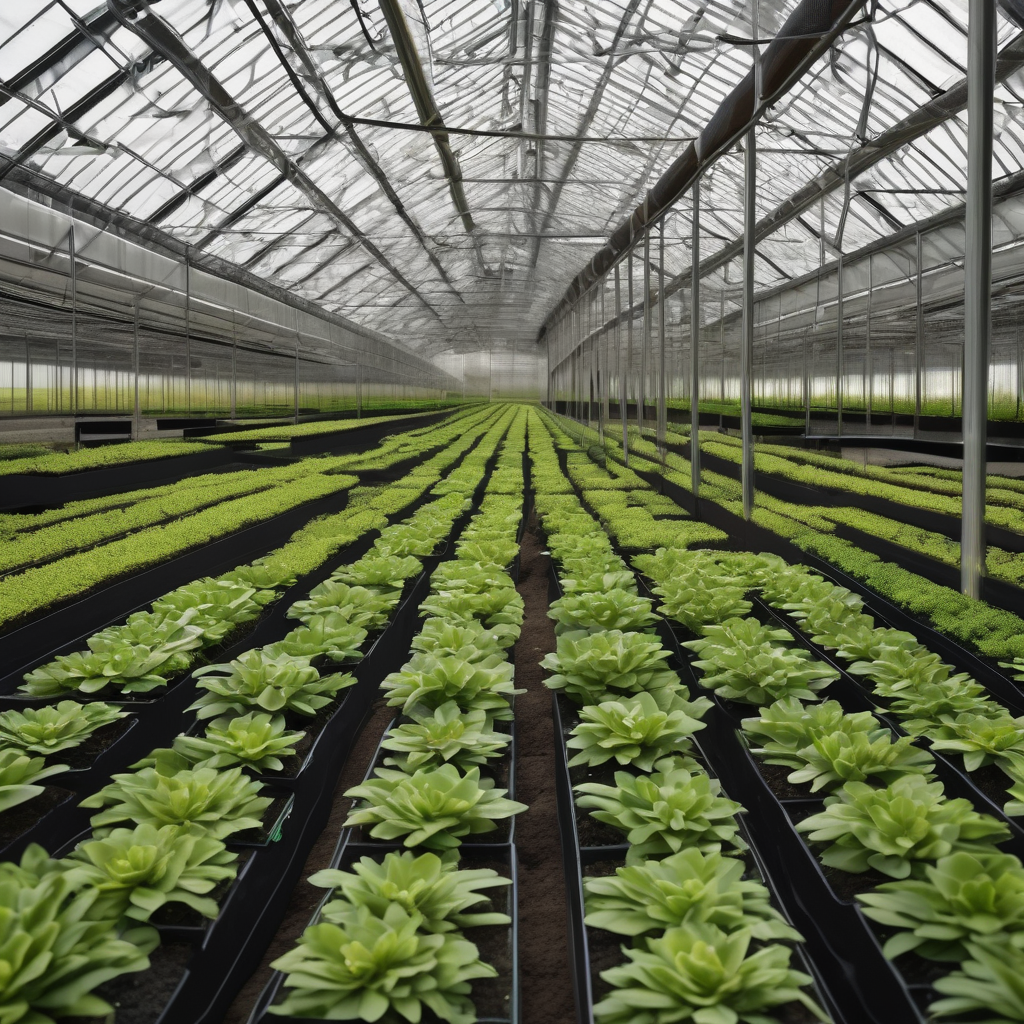
A transformative leap in agricultural productivity has been achieved with the launch of a $50,000 greenhouse project in Kavala, Kadavu. Equipped with an automated irrigation system, water tanks, and a pressure pump, this innovative facility is set to produce an impressive capacity of 5,000 vegetable seedlings each month, amounting to a remarkable total of 50,000 seedlings annually. This initiative stands as a significant advancement for local agriculture in Kavala.
The greenhouse was officially opened by British American Tobacco Fiji in partnership with the Government and local communities, marking it as the fifth installation under their Grow Fast Remote Greenhouse project within the Grow Plus Programme. Agriculture Minister Tomasi Tunabuna highlighted that this facility will provide farmers with a steady supply of high-quality seedlings throughout the year, irrespective of climate changes, thereby reducing the reliance on imported fresh produce. This development is poised to strengthen local food security and create new income opportunities for families in the region.
Tunabuna expressed, “Greenhouses have the potential to help farmers grow consistent, high-quality seedlings, regardless of the climate. This will improve crop quality, reduce pest pressure, and help stabilize production throughout the season in Kavala.” He went on to note that the project aligns seamlessly with the Government’s Non-Sugar 10-Year Agriculture Sector Policy, which promotes agricultural diversification beyond traditional sugarcane cultivation.
James Goldring, General Secretary of British American Tobacco, projected that this new greenhouse could yield over a million seedlings in the current year alone, thus significantly bolstering support for farmers in Fiji’s southern regions. The Grow Plus Programme is expanding its greenhouse infrastructure across the nation, with similar projects already in place in areas such as Nadarivatu, Taveuni, Lau, and Savusavu. This commitment underscores the ongoing efforts to enhance agricultural practices and ensure food resilience for local communities, paving the way for a more sustainable and self-sufficient agricultural future.