Bobsledding, often dubbed the “Formula 1 of ice,” features tracks that stretch over 1.5 kilometers (nearly a mile), with top speeds reaching close to 145 kilometers per hour (90 mph). Athletes experience gravitational forces exceeding 5g while racing in teams of four, two, or solo. At the upcoming 2026 Milano Cortina Winter Games, advancements in technology will enhance each stage of the race—from the initial push to technical driving and final braking—aiming to achieve greater precision than in past events.
This thrilling winter sport made its Olympic debut in 1924 in Chamonix, France, with men’s four-person bobsledding. Women’s two-person bobsledding joined the Olympic family in 2002 in Salt Lake City, while the women’s monobob category was introduced in 2022. Historically, bobsleds were constructed from wood, but steel has dominated the sport for years. In recent times, however, carbon fiber is increasingly utilized for its lighter weight and superior strength.
Technological innovations within the sport continue to evolve within strict safety regulations, including weight and sled dimensions. For example, a two-person bobsled can measure up to 2.7 meters (about 8.9 feet) in length and weigh no more than 390 kilograms (859.8 pounds), inclusive of the crew. A four-person bobsled has a maximum weight of 630 kilograms (1,388.9 pounds) and can reach lengths of up to 3.8 meters (12.47 feet). These weight limits are crucial for level race conditions and help minimize the influence of specialized push athletes who may otherwise skew the fairness of competitions.
At the 2022 Beijing Olympic Games, Germany showcased its dominance in the bobsledding discipline, claiming 27 overall medals, 16 of which were earned in bobsledding, luge, and skeleton events. The nation’s longstanding tradition in this sport is complemented by a commitment to innovation. In particular, the German bobsledding, luge, and skeleton federation (Bob- und Schlittenverband für Deutschland) has collaborated with automaker BMW, which has played an instrumental role in refining bobsled equipment. Noteworthy advancements include the development of custom studded shoes, pivotal for enhancing athletes’ performance.
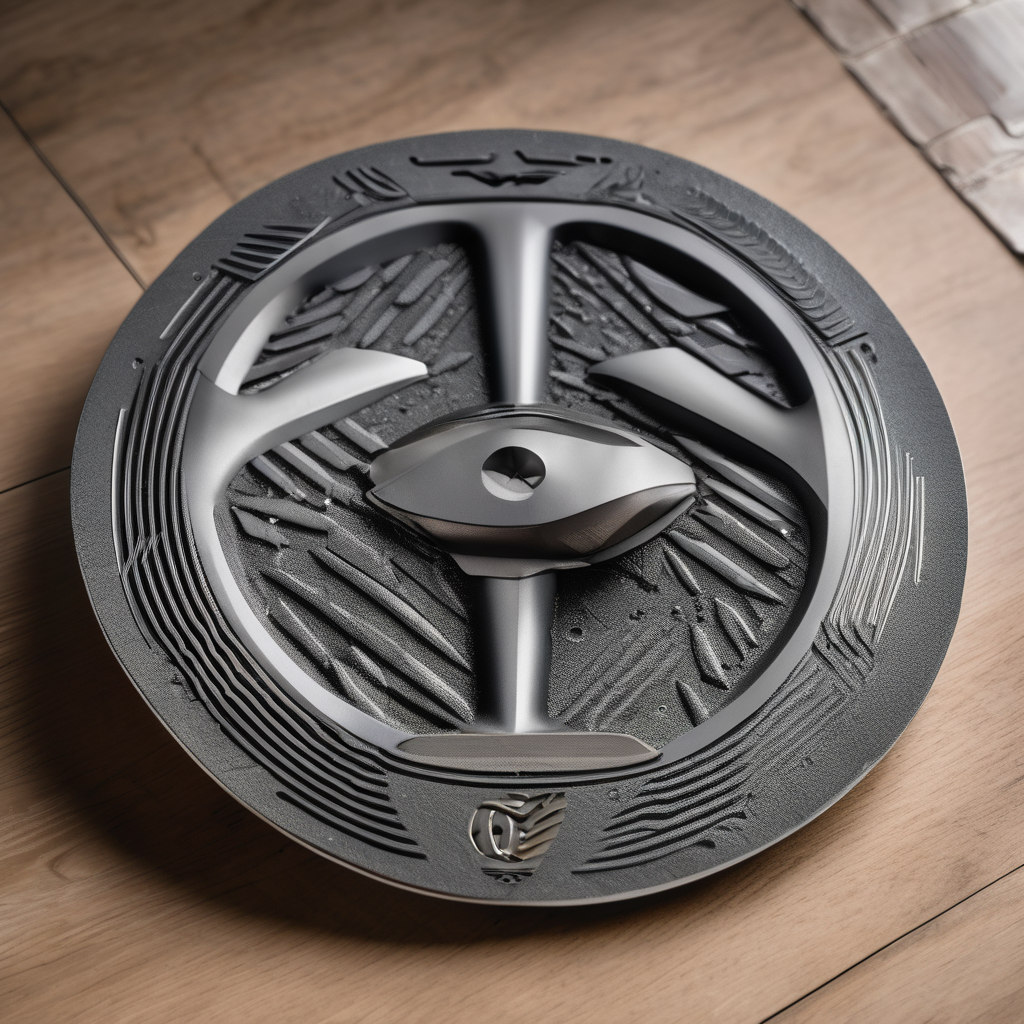
The initial 30 to 50 meters of an Olympic bobsled race are critical for achieving maximum acceleration, and recent innovations in footwear have proven beneficial during this phase. With a keen eye on team member specifications, BMW has created custom spike plates that can be integrated into various shoe types. Utilizing 3D printing technology, they successfully adapted the studs’ stiffness and shape to meet individual needs, allowing for rapid experimentation and design modifications. To ensure durability against wear, the spikes undergo plasma nitriding, a process that enhances the steel’s hardness by diffusing nitrogen into it under high temperatures.
These forward-thinking developments not only elevate the performance of athletes but also showcase the ongoing commitment to innovation within the sport, promising an exciting and competitive atmosphere as bobsledding gears up for the 2026 Winter Games.